Before the Shift
Historically, El Niño has been a natural climate pattern recognized since the 1600s by fishermen off the coast of South America. It is part of the El Niño – Southern Oscillation (ENSO) cycle, which swings between warmer and cooler seawater in the tropical Pacific every 1-3 years. The world has recently experienced a La Niña climate pattern, which typically leads to cooler ocean temperatures and has dominated the climate landscape. This pattern has been associated with various weather phenomena, including increased hurricane activity in the Atlantic and cooler global temperatures.
The Decisive Change
However, as the current La Niña climate pattern fades, expectations are shifting. El Niño is set to take hold in summer 2026, with a 62% chance of emergence between June and August of that year. A strong El Niño could drive up average global temperatures significantly, with projections indicating that 2026 may see a notable increase in temperatures, potentially surpassing the record-breaking year of 2024. This shift is expected to have a larger effect in 2027, as the impacts of El Niño often extend beyond its initial onset.
Immediate Effects on Weather Patterns
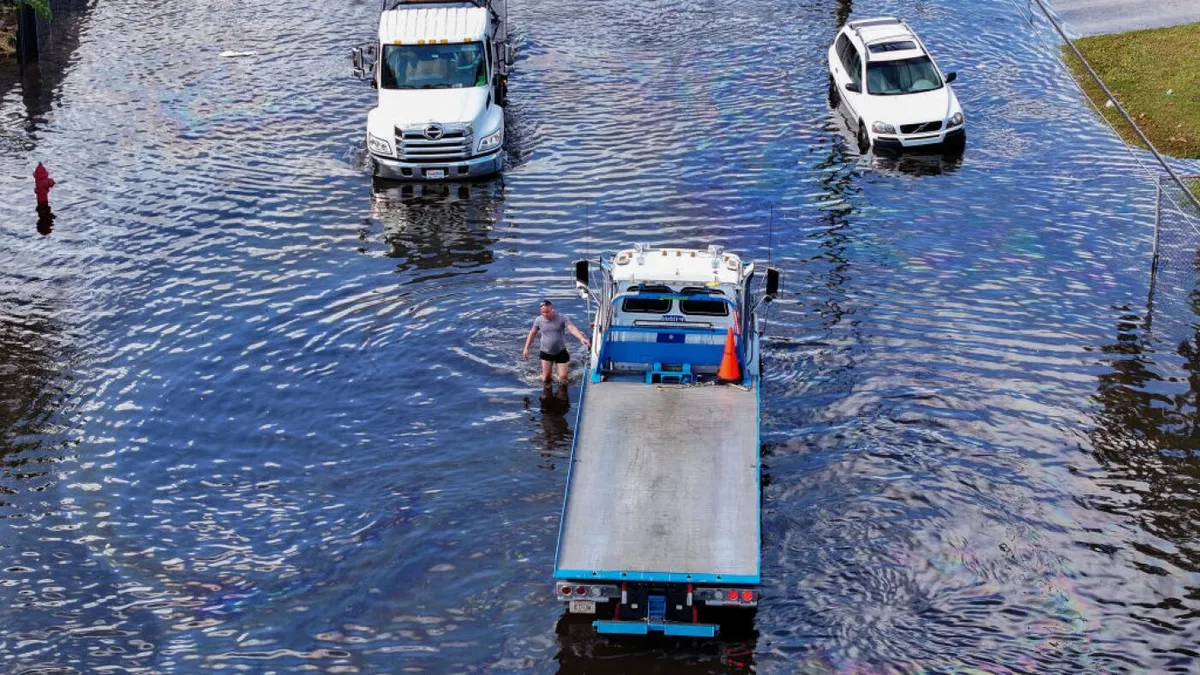
The transition to El Niño is likely to have immediate and far-reaching effects on global weather patterns. El Niño can cause heat waves, droughts, and flooding around the world, altering precipitation patterns and impacting agriculture and water resources. Specifically, El Niño typically leads to more rising air over the tropical Pacific, which reduces the number of hurricanes in the Atlantic. This could mean a quieter hurricane season for the U.S. East Coast, while other regions may experience intensified weather events.
Expert Perspectives
Experts are closely monitoring the situation. Daniel Swain, a climate scientist, remarked, “Even though the evidence is still early, this could be a very significant event in 2026 and lingering into 2027.” Zeke Hausfather added, “The El Niño cometh,” indicating a strong consensus among scientists regarding the likelihood of this climate phenomenon. However, uncertainties remain regarding the exact strength of the upcoming El Niño, with a 1-in-3 chance that it could be classified as ‘strong’ during the October-December period of 2026.
The historical context of El Niño is essential for understanding its potential impacts. The phenomenon has been documented for centuries, and its effects have been felt globally, influencing weather patterns and climate variability. The current transition from La Niña to El Niño is particularly noteworthy, as it marks a significant shift in the ENSO cycle. The depth of the subsurface warm pool, which ranges from 100 to 250 meters, plays a crucial role in the development of El Niño, influencing how quickly and strongly it can manifest.
Looking Ahead
As we approach the summer of 2026, the potential for a strong El Niño raises important questions about climate preparedness and response strategies. The specific impacts of El Niño on regional weather patterns are not fully confirmed, and details remain unconfirmed. However, all signs are increasingly pointing to a significant, if not strong to very strong, El Niño event. This necessitates close monitoring and proactive measures to mitigate the potential adverse effects on communities and ecosystems worldwide.
In summary, the anticipated emergence of El Niño in 2026 represents a pivotal moment in the ongoing climate narrative. As the world transitions from the current La Niña pattern, the implications for global weather and temperature trends are profound. Stakeholders across various sectors must remain vigilant and prepared for the changes that lie ahead.