Election Overview
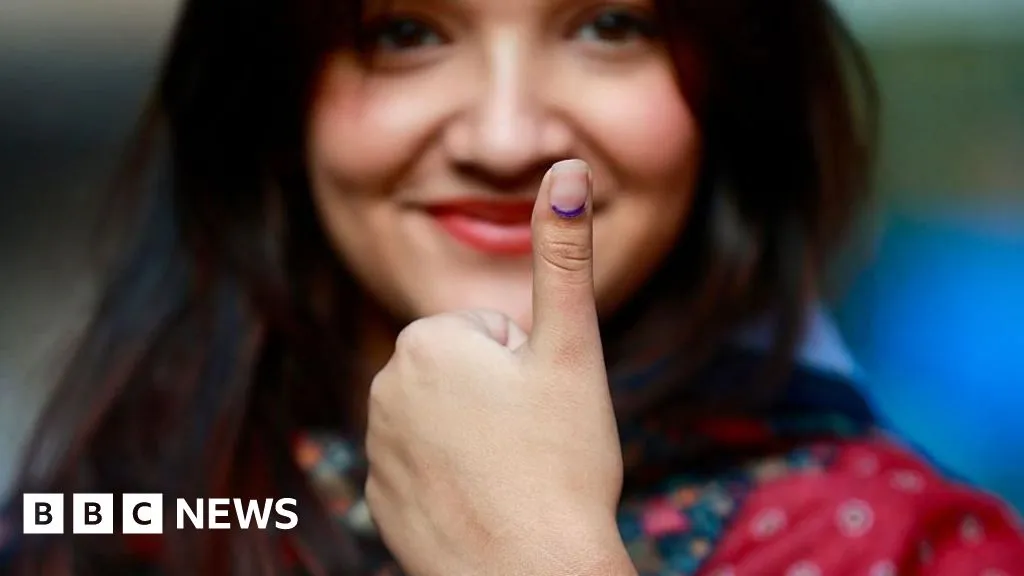
Nepalese citizens participated in elections on March 5, 2026, to elect a new parliament, marking a crucial moment in the country’s political landscape. This election is particularly significant as it is the first since the Gen Z protests that led to the resignation of Prime Minister Khadga Prasad Sharma Oli.
Voter Turnout and Participation
The voter turnout for this election was estimated at 60 percent, a slight decrease from the 61 percent recorded in the previous elections in 2022. Approximately 18.9 million eligible voters were registered, with 3,400 candidates vying for 165 seats under the first-past-the-post system and 3,135 candidates competing for 110 seats through proportional representation.
Preliminary Results
As the vote counting commenced late on March 5, preliminary results indicated that the Rastriya Swatantra Party (RSP) was leading in 36 seats. Notably, Ranjana Darshana of the RSP won the Kathmandu 1 constituency by a significant margin, reflecting the party’s growing influence in the political arena.
Context of the Elections
The elections followed widespread youth-led protests that demanded accountability, job opportunities, and an end to corruption. The sentiments expressed during these protests were echoed by voters, as Luniva, a voter, stated, “I came to vote mainly because of the protest and so many people gave their lives in the hope of a change, in hope of seeing a better Nepal.”
Importance of the Election
Puranjan Acharya emphasized the critical nature of this election, stating, “The election is critical to address the aspirations of the youths expressed during the Gen Z protests.” The outcome of these elections could significantly influence the political stability of Nepal, especially if newly elected leaders fail to meet public expectations.
Looking Ahead
Vote counting is expected to be completed by March 6, 2026. As the results are finalized, the political landscape in Nepal may undergo further changes, depending on how the electorate responds to the new leadership.
Overall, the elections represent a pivotal moment for Nepal, as the country seeks to navigate the challenges posed by recent protests and the demands of its youth population. The actions of the election commission will be closely monitored as the results unfold.