The Rise of Non-Fungible Tokens
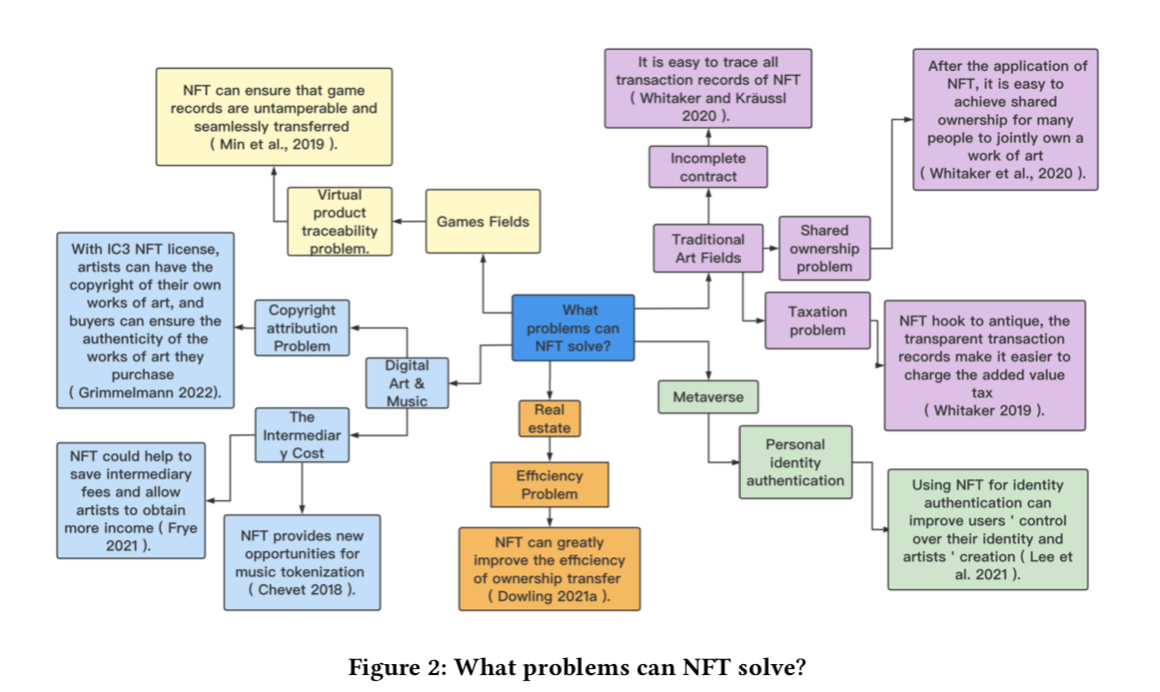
Non-fungible tokens (NFTs) have surged in popularity over the past few years, transforming the way we think about ownership and digital goods. Unlike cryptocurrencies such as Bitcoin or Ethereum, which are fungible and can be exchanged on a one-to-one basis, NFTs are unique digital assets verified on a blockchain. This uniqueness makes them particularly appealing for collectors and creators in the art, music, gaming, and sports industries.
Current Trends in NFTs
As of 2023, the NFT market continues to grow robustly. According to reports from CryptoSlam, the overall market saw a significant increase in sales volume, particularly in the areas of digital art and virtual real estate. Major fashion brands and artists have begun to adopt NFTs as a means to engage with fans and generate new revenue streams. For instance, high-profile collaborations, such as those between popular musicians and NFT platforms, have highlighted the potential earnings from concert tickets, exclusive merchandise, and unique experiences.
Furthermore, the integration of NFTs into the gaming sector has transformed traditional gaming dynamics, allowing players to truly own in-game assets that can be traded or sold. Popular titles like Axie Infinity and The Sandbox have established successful NFT ecosystems, attracting millions of players and investors alike.
Challenges and Future Outlook
Despite the promising growth, several challenges remain. Environmental concerns regarding the energy consumption of blockchain technology have prompted calls for more sustainable practices within the NFT space. In response, many platforms are exploring more eco-friendly blockchain solutions or transitioning to proof-of-stake systems, which require less energy.
Legal issues surrounding copyright and ownership of digital assets also pose challenges for the industry. As NFTs become more mainstream, there will need to be clearer regulations and protections for creators and buyers alike to avoid disputes.
Conclusion
The future of non-fungible tokens appears bright, with ongoing innovations and new applications emerging regularly. As the technology matures, it is likely that NFTs will play an even more integral role in the digital economy, reshaping how we perceive ownership, creativity, and engagement across various industries. For readers and potential investors, staying informed about these developments could offer opportunities in this rapidly evolving market.