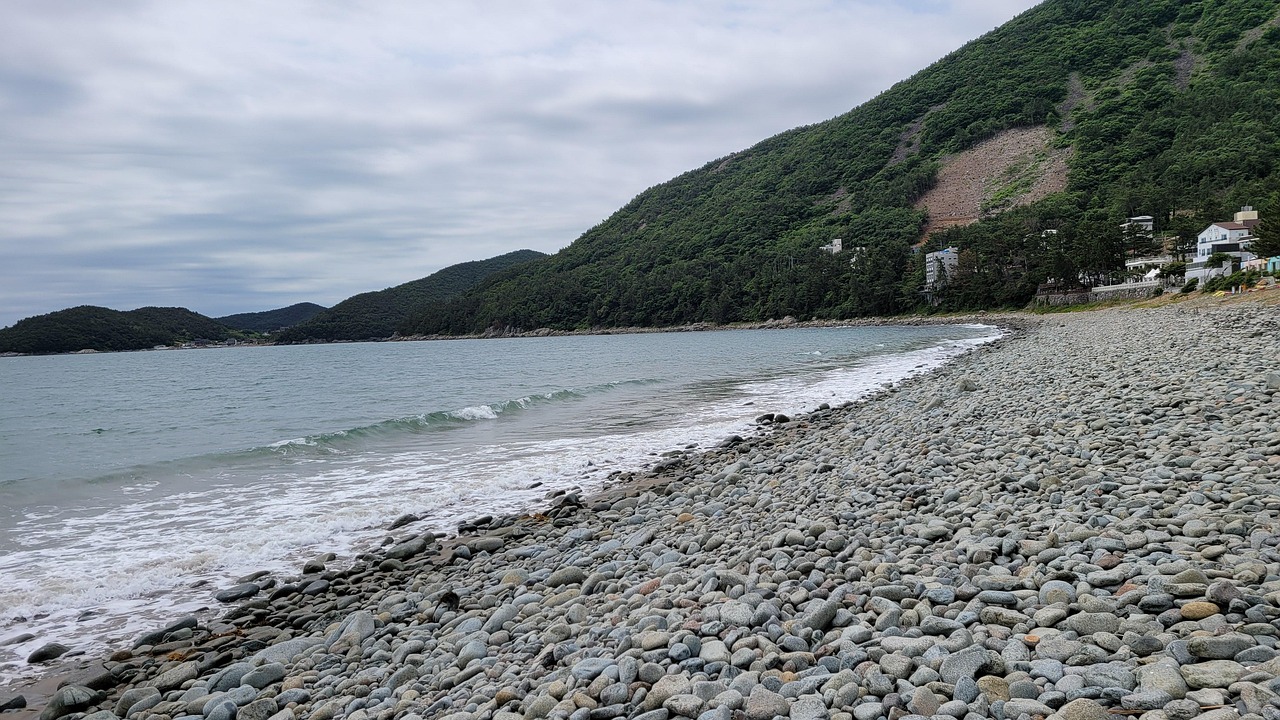
Introduction to Palau
Palau, an archipelago of over 500 islands located in the western Pacific Ocean, has increasingly become a focal point for travellers seeking stunning natural beauty and unique marine biodiversity. Known for its crystal-clear waters, vibrant coral reefs, and rich cultural history, Palau serves as a vital ecosystem and a reminder of the importance of environmental conservation. The significance of Palau extends beyond its breathtaking landscapes; the nation plays a crucial role in global conservation efforts, making it a hotbed for eco-tourism and sustainable practices.
The Significance of Palau’s Marine Ecosystems
Palau is renowned for its rich marine life, including over 1,500 species of fish and 400 species of coral. The nation is also home to the famed Jellyfish Lake, where visitors can swim amongst harmless jellyfish, a rare experience not found anywhere else. Due to these unique attributes, Palau has designated a large portion of its waters as protected marine sanctuaries under initiatives like the Palau National Marine Sanctuary, which encompasses around 80% of its exclusive economic zone. This legislation, implemented in 2015, aims to ensure the long-term sustainability of marine resources while supporting the local economy through tourism.
Recent Developments and Initiatives
Recently, Palau has been making headlines for its innovative approach to tackling climate change and promoting sustainability. This small Pacific nation has stepped up its initiatives through multilateral agreements and partnerships, particularly in the areas of renewable energy and coral restoration. For instance, the Palau Climate Change Policy aims to achieve 35% renewable energy by 2030, which is a bold move for an island nation highly susceptible to rising sea levels. Additionally, Palau is also focusing on empowering Indigenous communities to manage their natural resources, thus preserving both cultural heritage and biodiversity.
Conclusion: The Future of Palau
As Palau continues to navigate the challenges posed by climate change, its commitment to environmental stewardship and sustainable tourism positions it as a leader in preserving oceanic resources. The nation’s efforts serve as a model for other island nations facing similar threats, showcasing the significance of collaborative conservation efforts. For travellers, Palau offers not only an escape into a tropical paradise but also a chance to witness firsthand sustainable practices at work. As more people become aware of the importance of preserving such unique ecosystems, Palau’s role in global environmental discussions is likely to expand further, making it a must-visit destination for eco-conscious tourists.