The Significance of Friday the 13th
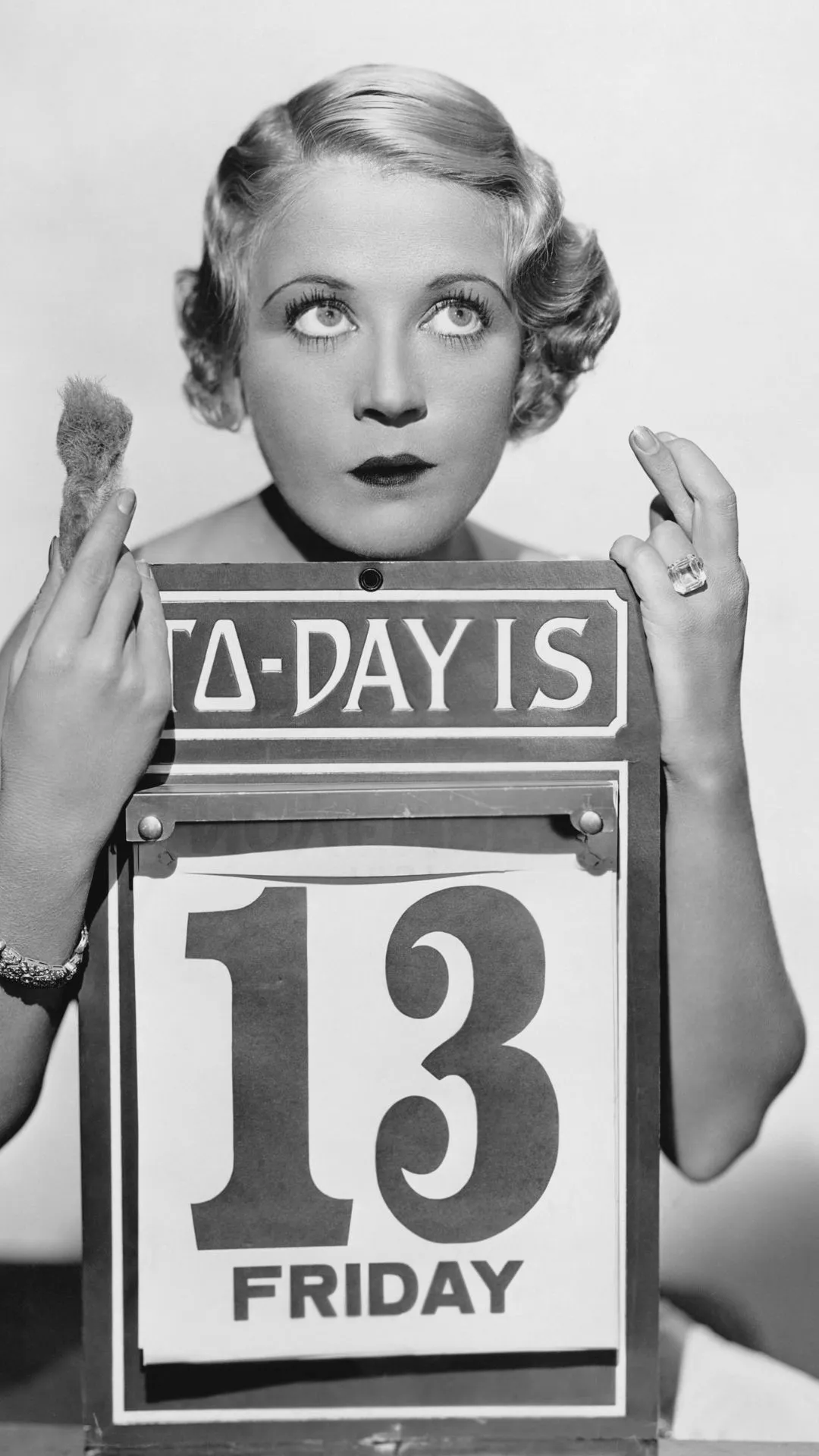
Friday the 13th is widely recognised as a day associated with bad luck and superstition, captivating popular culture and sparking countless debates about its origins. Many people go to great lengths to avoid engaging in risky activities on this day, reflecting the deep-rooted beliefs surrounding it. But what lies behind this notorious reputation?
Historical Background
The superstition surrounding Friday the 13th likely stems from two separate beliefs: the negative connotations of the number 13 and the traditional perception of Friday as an unlucky day. The number 13 has been considered ominous in various cultures; for example, in Norse mythology, it is said that Loki, the trickster god, crashed a banquet of 12 gods, leading to chaos and tragedy.
As for Friday, it has had an unfortunate status in many cultures, particularly because it is believed to be the day of Jesus Christ’s crucifixion. Combining these two elements has resulted in a day that many dread, leading to the term ‘triskaidekaphobia’—the fear of the number 13.
Modern Implications
In modern times, Friday the 13th has influenced various aspects of life and culture. Many buildings skip the 13th floor, and some people avoid travel or making significant decisions on this day. The impact is so pervasive that stories, movies, and folklore have arisen surrounding the day and its supposed misfortunes.
Iconically, it was the 1980 horror movie ‘Friday the 13th’ that solidified the date’s association with fear and peril. The franchise has become a cultural phenomenon, fostering a sense of both fascination and dread around the date.
Statistical Realities
Interestingly, studies suggest that Friday the 13th may not be any more dangerous than any other day of the year. A study conducted by the British Medical Journal in 1993 found that there was no statistical correlation between the date and incidents of accidents or fatalities. Nevertheless, the fear surrounding this day continues to thrive.
Conclusion
As we approach another Friday the 13th, it is vital to reflect on its significance not just as a day of caution, but as a subject that continues to spark curiosity and debate. Whether viewed through the lens of superstition or simply as a quirky cultural phenomenon, Friday the 13th remains a significant part of our collective narrative, urging us to confront our fears and question the tales we’ve inherited.