Introduction to Non-Fungible Tokens
Non-fungible tokens (NFTs) have emerged as a significant force in the digital landscape, transforming various industries including art, gaming, and entertainment. Unlike traditional cryptocurrencies such as Bitcoin, NFTs are unique digital assets that cannot be exchanged on a one-to-one basis. This uniqueness has given rise to new economic models and has revolutionised how we think about ownership and value in the digital realm.
The Surge in Popularity
In recent years, particularly during the COVID-19 pandemic, interest in NFTs surged dramatically. High-profile sales, such as Beeple’s digital artwork that sold for a staggering $69 million at Christie’s auction in March 2021, brought mainstream attention to these tokens. The NFT market capitalised on the growing trend of digital consumption and the need for artists and creators to monetise their work in novel ways.
Applications Beyond Art
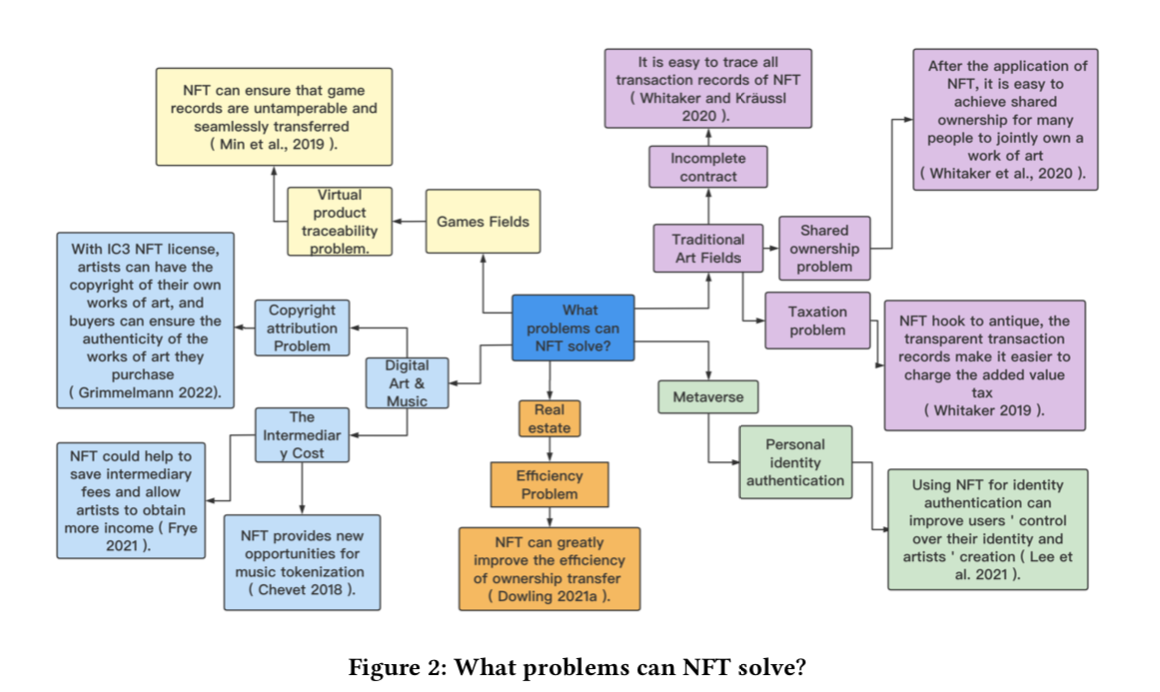
While art is one of the most prominent sectors embracing NFTs, other industries have started exploring their potential. The gaming industry, for instance, is witnessing a paradigm shift with games incorporating NFTs for in-game assets that players can truly own. This allows for the buying, selling, and trading of these assets on secondary markets, enhancing player engagement and investment.
Furthermore, brands are utilising NFTs for marketing campaigns and customer engagement, creating unique interactive experiences for fans. In music, musicians are releasing albums and exclusive content as NFTs, giving fans a new way to support their favourite artists.
The Risks and Challenges
Despite their burgeoning popularity, NFTs are not without risks and complications. The environmental impact of blockchain technology, especially in terms of energy consumption, has raised concerns among advocates of sustainability. Additionally, the volatility of the market means that investments in NFTs can be speculative and fraught with risk.
Intellectual property rights and the potential for digital art theft also pose significant challenges, as creators seek to protect their work in this new digital economy.
Conclusion and Future Outlook
As we look to the future, the landscape of NFTs is poised for further growth and evolution. With continued interest from investors, creators, and consumers, they are likely to become an integral part of our digital economy. As technology advances and platforms evolve, we can expect innovations in how NFTs are created, traded, and utilised across various sectors. Understanding this dynamic space will be crucial for anyone looking to engage with the future of digital ownership.