Prior Expectations in F1
Before the 2026 season, Lewis Hamilton faced a challenging year in Formula 1, struggling to adapt to the sport’s evolving dynamics since the introduction of ground effect aerodynamics in 2022. In 2025, he notably failed to stand on the podium for the first time in his illustrious career, raising questions about his future and competitiveness.
Decisive Changes
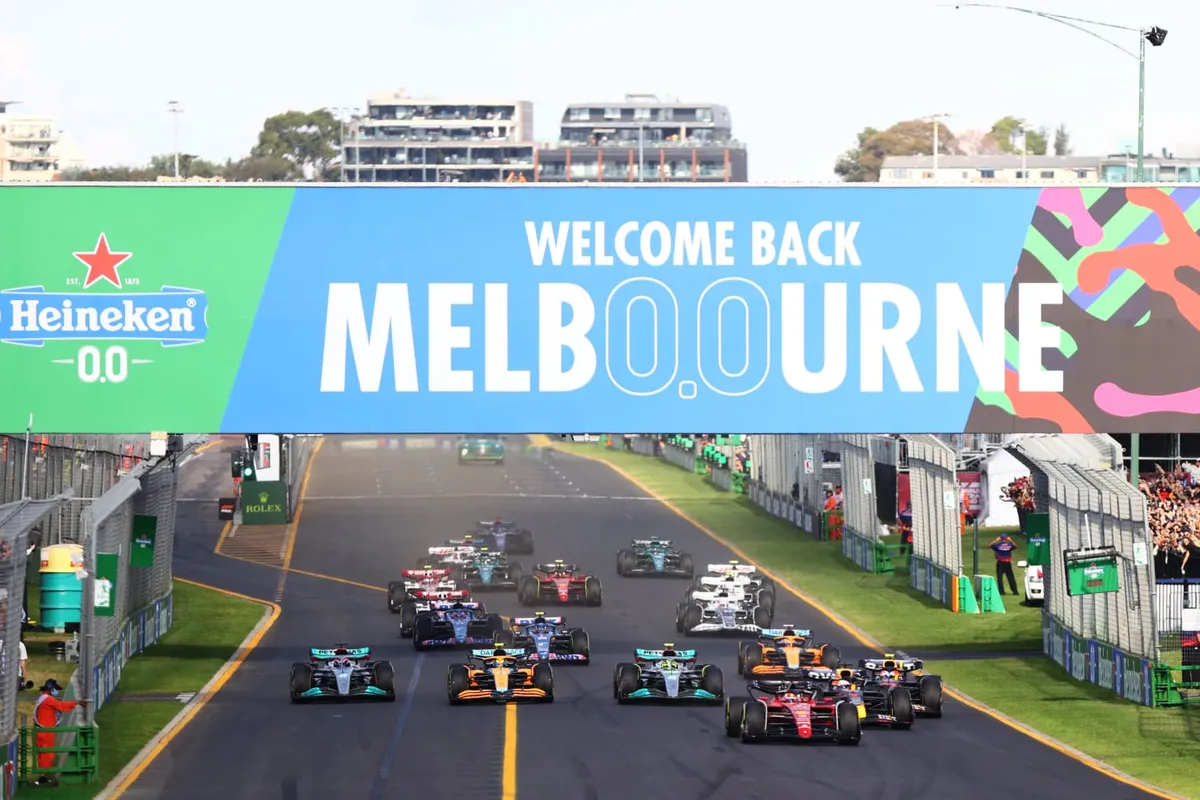
As the 2026 Australian Grand Prix approaches, Hamilton’s outlook has shifted significantly. After a year with Ferrari, he expresses renewed optimism, stating, “The goal is to win. That’s what everyone’s working towards – every team is.” This change in sentiment comes on the heels of Ferrari’s impressive performance during pre-season testing, where Charles Leclerc emerged as the fastest driver.
Impact on Competitors
In contrast, Aston Martin faces a troubling situation. Drivers Fernando Alonso and Lance Stroll have struggled with severe vibrations in their cars, which prevent them from completing half the race distance. Alonso can only manage 25 laps before risking permanent nerve damage, while Stroll can only complete 15 laps under similar conditions. This vibration issue, attributed to the engine and amplified throughout the chassis, poses a significant challenge for the team.
Expert Perspectives
Adrian Newey, a prominent figure in F1 engineering, highlighted Alonso’s predicament, noting, “Fernando is of the feeling that he can’t do more than 25 laps consecutively before he will risk permanent nerve damage into his hands.” Alonso himself expressed concern about the long-term consequences of driving under such conditions, stating, “It shouldn’t be there and we don’t know the consequences either if you keep driving like that for months.”
Looking Ahead
As the teams prepare for the Australian Grand Prix, uncertainties linger. No final decision has been made regarding the Bahrain and Saudi Arabian Grands Prix, and the timeline for resolving Aston Martin’s vibration issues remains unclear. Details remain unconfirmed.