What observers say
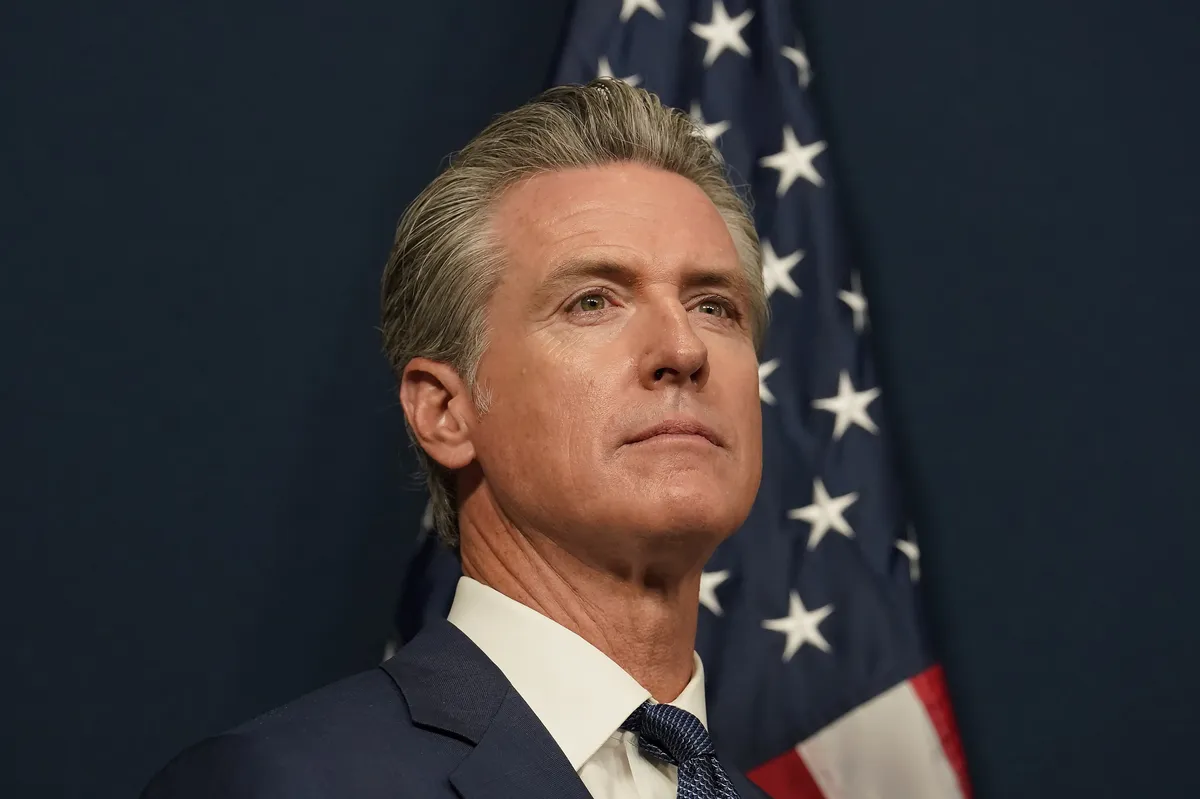
“Dyslexia isn’t a weakness. It’s your strength,” stated California Governor Gavin Newsom in a recent address, responding to remarks made by former President Donald Trump. This statement comes in light of Trump’s repeated criticisms regarding Newsom’s dyslexia, which he has mocked as a disqualifying factor for leadership.
During a public event in Austin, Texas, Trump referred to Newsom as “the president of the United States” while deriding his learning disability. The former president’s comments have sparked a significant backlash, particularly from Newsom’s supporters and family. Newsom’s wife, Jennifer Siebel Newsom, condemned Trump’s remarks as “ignorant and offensive,” emphasizing the importance of understanding and supporting individuals with learning disabilities.
Newsom, who was diagnosed with dyslexia at the age of five, has often spoken about his experiences with the condition. He has utilized his platform to advocate for young people facing similar challenges, highlighting that dyslexia affects as much as 20% of the population, according to the Yale Center for Dyslexia and Creativity. In his memoir, titled “Young Man in a Hurry,” he shares insights into how dyslexia has shaped his life and career.
In a light-hearted yet pointed response to Trump, Newsom quipped, “I, GAVIN C. NEWSOM, AM OFFICIALLY PRESIDENT OF THE UNITED STATES (THANK YOU DONALD!).” This remark reflects both his confidence and his determination to redefine the narrative surrounding dyslexia. Newsom has described his extensive preparation for speeches, necessitated by his condition, as a “super power,” showcasing how he has turned a perceived disadvantage into an asset.
Trump’s comments have not only drawn criticism from Newsom’s family but have also reignited discussions about the stigma surrounding dyslexia and other learning disabilities. Newsom’s aides have adapted his speech preparation methods to accommodate his dyslexia, using specific fonts to aid in readability and comprehension. This approach underscores the importance of tailored support for individuals with learning differences.
As the political landscape continues to evolve, Newsom’s experiences and advocacy may play a crucial role in shaping public perceptions of dyslexia. With two of the Newsoms’ four children also diagnosed with the condition, the family is personally invested in raising awareness and promoting understanding.
Looking ahead, it remains to be seen how this exchange will influence public opinion and the broader discourse on learning disabilities in leadership. Newsom’s commitment to using his platform for advocacy suggests that he will continue to address these issues head-on, challenging the misconceptions that persist in society.