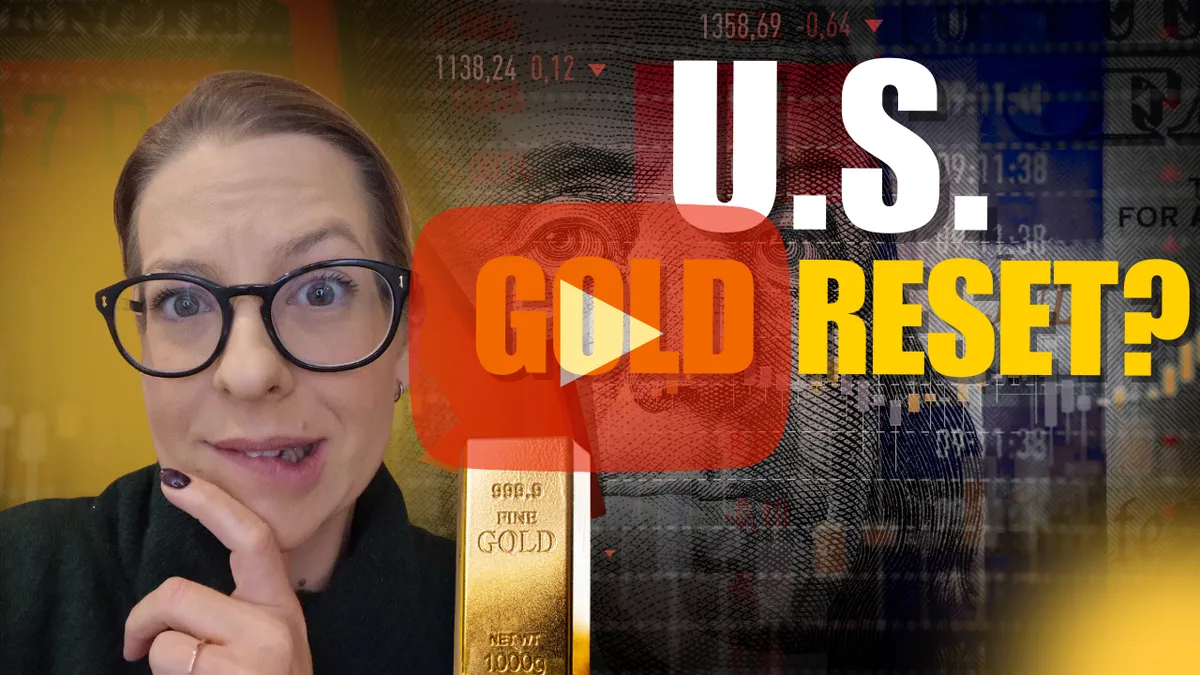
Gold prices have fallen by 11% over the past week, marking the biggest weekly decline since 1983. This downturn is part of a larger trend, with gold prices dropping more than 14% since the onset of the conflict in Iran.
The strengthening of the US dollar, which has increased by almost 2% since the conflict began, has diminished gold’s appeal as a safe haven asset. Strategists at Dutch bank ING noted, “Upward momentum has faded,” indicating a shift in market sentiment.
In addition to currency fluctuations, liquidity needs and fund redemptions have likely amplified market moves, contributing to a flash crash in gold prices. The Federal Reserve has maintained steady interest rates over the past two meetings, further influencing investor behavior.
In Indonesia, gold prices remain stable at IDR 2.89 million per gram, with a buyback price set at IDR 2.61 million per gram. Buyers with a Tax Identification Number (TIN) face a tax of 0.45% when purchasing gold, while those without a TIN are taxed at 0.9%.
Gold’s sensitivity to inflation-adjusted yields has also played a role in its recent price movements. As real yields rise, the attractiveness of gold as an investment diminishes.
Strategists at ING further commented, “Some investors are selling gold to raise cash or rebalance portfolios,” reflecting a broader trend of shifting investment strategies in response to changing economic conditions.
This decline in gold prices comes after a record high of $5,000 per ounce earlier this year, underscoring the volatility in the market.
As the situation evolves, observers are closely monitoring the impact of ongoing geopolitical tensions and economic indicators on gold prices. Details remain unconfirmed regarding future price movements and market stability.