What the data shows
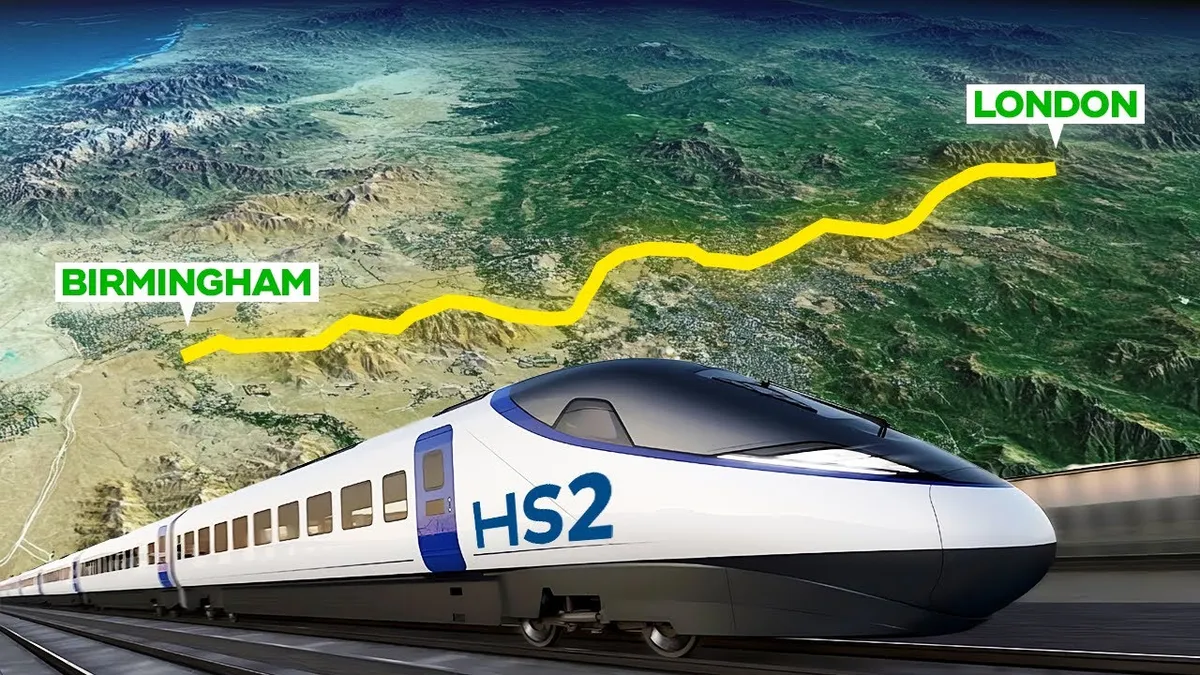
What does the future hold for HS2, the ambitious high-speed rail project in the UK? The answer is complex, as the project faces significant challenges regarding costs and timelines. HS2 trains are planned to run at an impressive speed of 360 kilometres per hour (kph), a feat that no railway in the UK is currently engineered to achieve. As of February 2026, £43.6 billion has already been spent on the HS2 programme, highlighting the financial commitment to this infrastructure project.
Mark Wild, the CEO of HS2 Ltd, oversees the project, which has been characterized by spiraling costs and shifting timelines due to past mismanagement. The Chiltern tunnel, the longest tunnel on HS2’s route, stretches 10 miles, while the Colne Valley Viaduct stands as the longest rail bridge in the UK. Major deep-bore tunneling between Old Oak Common and Birmingham Curzon Street was completed in October 2025, marking a significant milestone in the project’s development.
HS2 Ltd has engaged with over 15,000 residents through more than 1,700 meetings and events between April and December 2025, demonstrating a commitment to community involvement. However, the project has also faced criticism, with 1,067 complaints received by HS2 Ltd regarding various aspects of the construction and its impact on local communities. In response, £21.1 million has been invested in communities and businesses affected by HS2, and 379 projects have been funded through HS2’s Community and Environment Fund.
The Secretary of State has expressed determination to explore opportunities to reduce costs and complexity within the project, indicating that a revised specification at reduced speeds could potentially save billions and expedite the railway’s entry into service. This reflects ongoing concerns about the project’s financial viability and delivery timelines.
Despite these efforts, uncertainties remain. Mark Wild was expected to announce that HS2 would not be completed until after the current 2033 deadline, but this announcement has been delayed until after the May elections. Details remain unconfirmed, leaving stakeholders and the public awaiting clarity on the project’s future.
As the HS2 project progresses, the focus on health and safety remains paramount, with HS2 Ltd committed to ensuring the well-being of everyone working on its sites. The Secretary of State has emphasized the need for improved performance in this respect, highlighting the importance of maintaining safety standards amid the complexities of large-scale construction.
In summary, HS2 represents a significant investment in the UK’s transport infrastructure, aiming to enhance connectivity and reduce travel times. However, the challenges it faces in terms of cost management and project delivery timelines will require careful navigation as the project moves forward. The coming months will be critical in determining the trajectory of HS2 and its potential impact on the future of rail travel in the UK.