Introduction
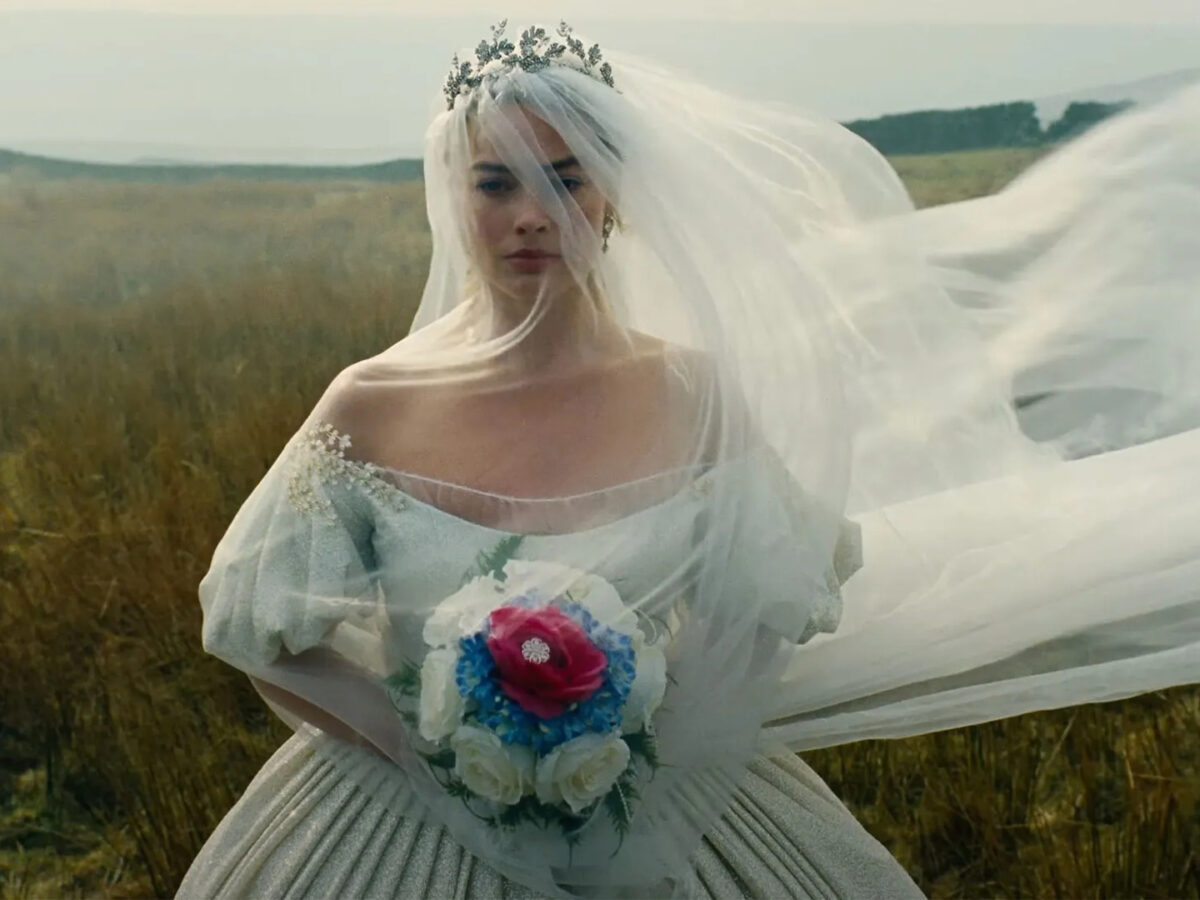
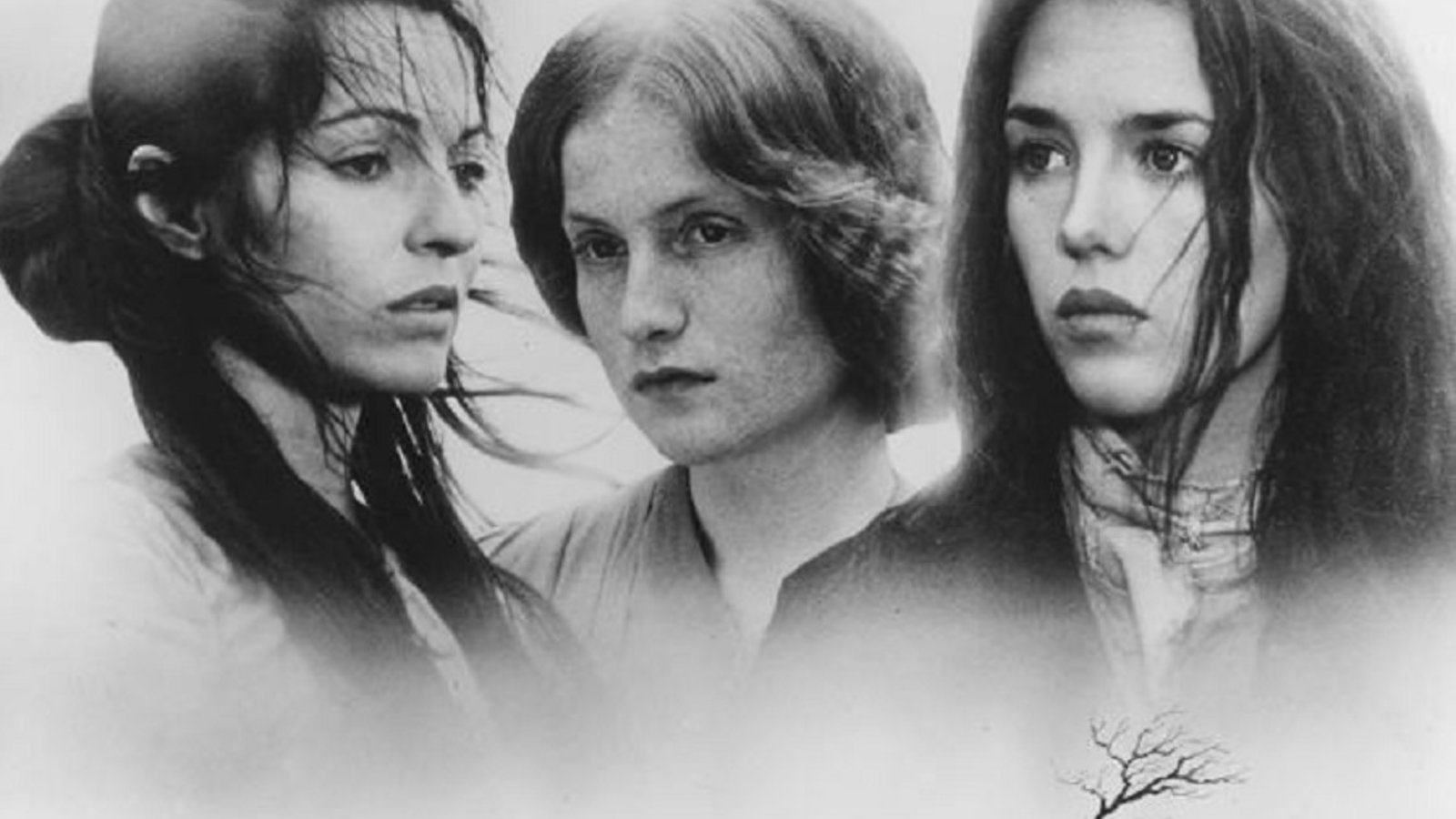
Published in 1847, Emily Brontë’s Wuthering Heights remains a cornerstone of English literature, captivating readers with its complex characters and dark, passionate themes. The novel explores intense emotional relationships, revenge, and the impact of social class, offering a profound commentary on human nature. Its relevance persists today, igniting discussions around love, obsession, and morality.
Plot Summary
The narrative unfolds through the eyes of Mr. Lockwood, a gentleman renting Thrushcross Grange, as he learns about the tumultuous history between two households: Wuthering Heights and Thrushcross Grange. Central to the story is the obsessive love between Catherine Earnshaw and Heathcliff, a foundling adopted by Catherine’s father. Their relationship is marred by misunderstandings, social constraints, and profound societal issues. Catherine’s eventual marriage to Edgar Linton, a well-to-do gentleman, brings Heathcliff’s dark and violent side to the forefront, leading to a cycle of revenge that defines the novel’s tragic trajectory.
Themes and Characters
Brontë skilfully interweaves themes of love, revenge, and social class. Heathcliff is portrayed as a Byronic hero, representing the duality of love and vengeance. His character raises questions about the influence of environment and upbringing on one’s destiny. Conversely, Catherine’s complex persona reflects the struggle between societal expectations and personal desires. The novel also explores the concept of nature versus nurture, as characters rise and fall as a result of their environments, emblematic of the inhospitable Yorkshire moors that serve as a backdrop to their struggles.
Literary Techniques
The structure of Wuthering Heights, with its use of multiple narrators and non-linear timeline, enhances the complexity of the story. Brontë’s vivid descriptions of the moors create a haunting atmosphere, perfectly mirroring the emotional turmoil experienced by the characters. The intense symbolism of the weather and landscape further deepens the reader’s understanding of the characters’ isolation and passions.
Conclusion
Wuthering Heights is an intricate exploration of love, loss, and revenge that continues to resonate with readers today. Its timeless themes invite reflection on the darker aspects of human relationships, making it a must-read for anyone seeking to understand the complexities of emotional bonds. As both a literary classic and a psychological study, Brontë’s work remains impactful, ensuring it maintains a significant place in the canon of English literature for future generations.