What the data shows
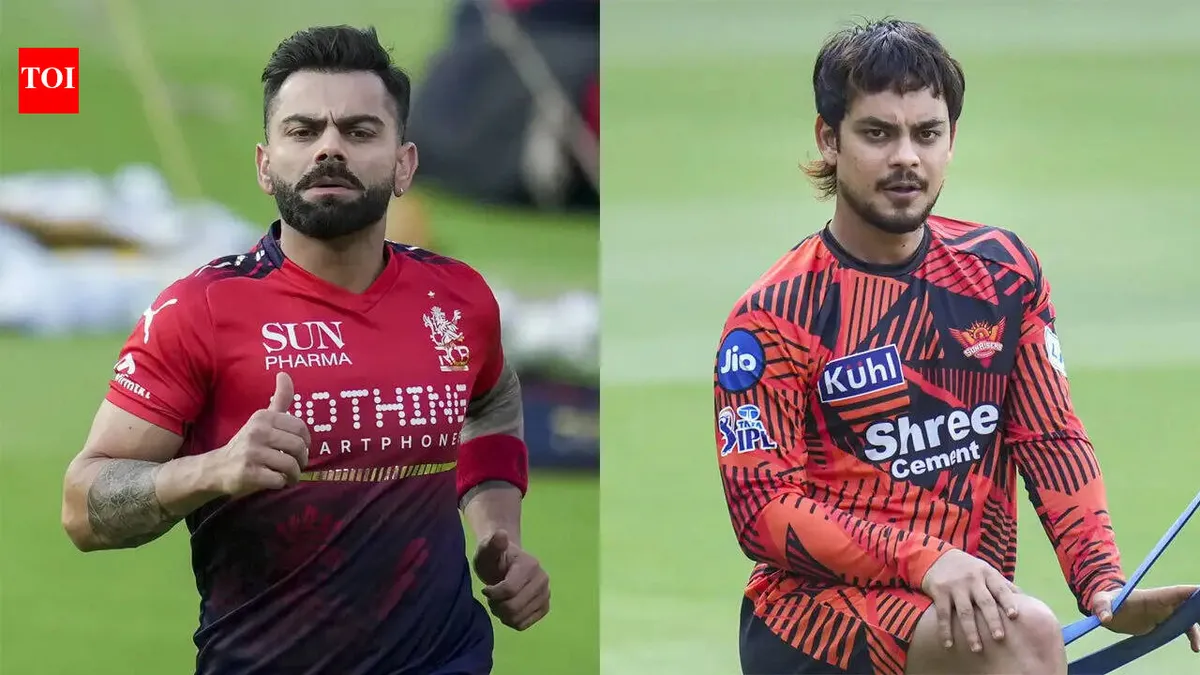
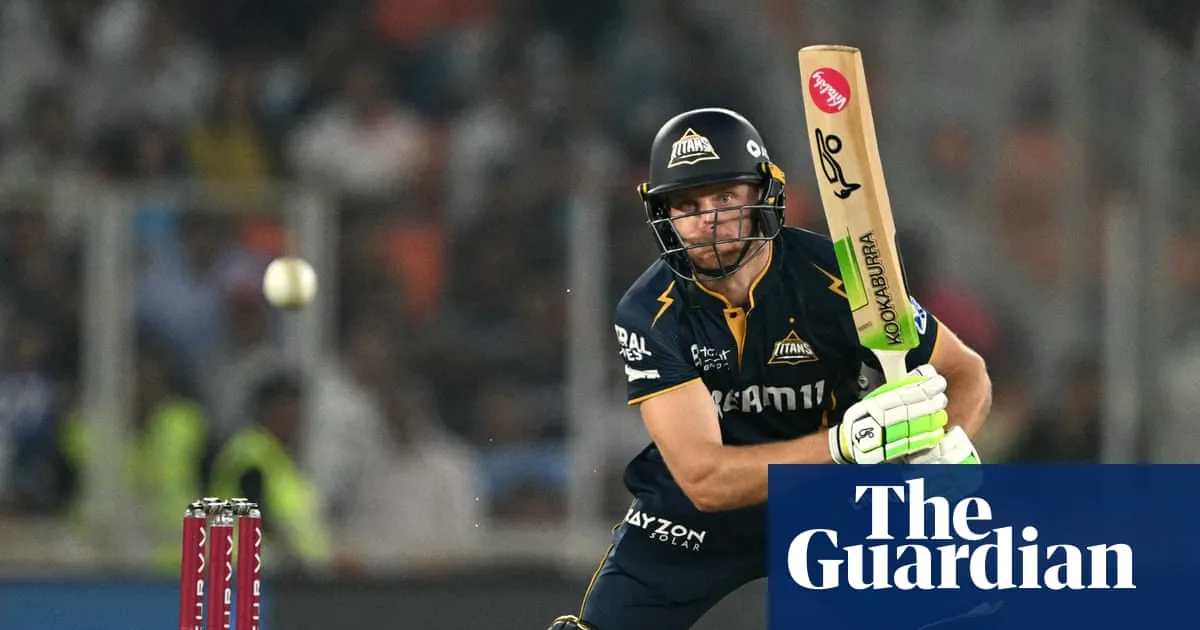
The 2026 Indian Premier League (IPL) raises an important question: How will the tournament address the challenges it faces, including safety concerns and the evolving landscape of cricket? The IPL is set to commence on March 28, 2026, featuring 10 teams vying for the championship title.
This season will include the defending champions, Royal Challengers Bengaluru, alongside other prominent teams such as Chennai Super Kings, Delhi Capitals, Gujarat Titans, Kolkata Knight Riders, Lucknow Super Giants, Mumbai Indians, Punjab Kings, Rajasthan Royals, and Sunrisers Hyderabad. The group stage is scheduled to run until May 24, 2026, culminating in a total of 70 matches, with the final set for May 31, 2026.
The IPL has a significant political context, particularly regarding the cricketing relationship between India and Pakistan. This backdrop adds layers to the competition, influencing player dynamics and fan engagement. Notably, the IPL has evolved significantly since its inception, impacting players’ careers and their relationships with cricket boards.
In recent events, the tournament faced a tragic incident when 11 people died in a crowd crush during a victory parade for RCB last June. In response, RCB announced it would offer 25 lakh (£20,000) to each of the grieving families affected by this incident. This highlights the ongoing need for safety measures and crowd management during such large-scale events.
Among the notable players participating in IPL 2026 is MS Dhoni, who will be playing for Chennai Super Kings at the age of 44. His continued presence in the league speaks to the enduring appeal of veteran players in the IPL. Additionally, 15-year-old Vaibhav Suryavanshi will represent Rajasthan Royals, showcasing the league’s commitment to nurturing young talent.
In terms of player transactions, Cameron Green was sold for a record 25.2 crore (£2.1m) in December’s auction, reflecting the high stakes and financial dynamics of the IPL. As the tournament approaches, the anticipation builds around how these investments will translate into on-field performances.
As the IPL 2026 approaches, the cricketing community remains focused on the implications of these developments. With the tournament set to begin soon, fans and stakeholders alike are eager to see how the league will navigate its challenges and continue to thrive in the competitive sports landscape.
Details remain unconfirmed regarding additional safety measures that may be implemented in light of past incidents. The IPL’s ability to adapt to these challenges will be crucial for its future success.