Escalating Attacks in the Gulf
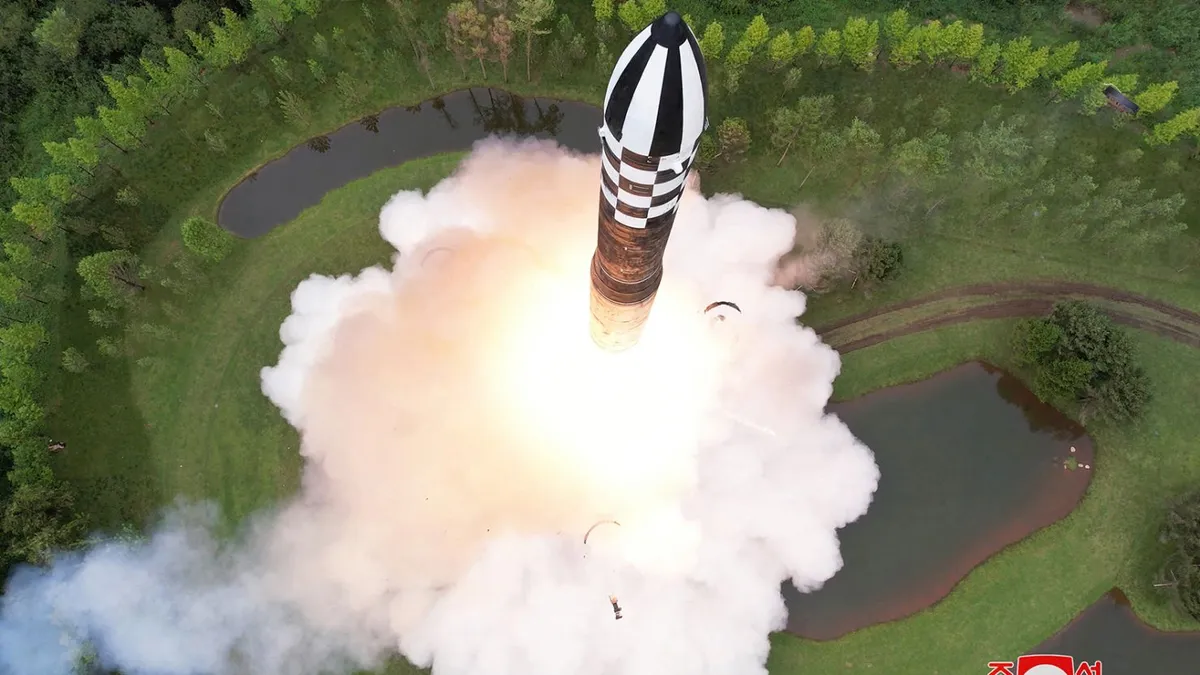
In a significant escalation of hostilities, Iran has launched missile and drone attacks targeting Bahrain, the United Arab Emirates (UAE), and Qatar, raising alarms across the Gulf region. These attacks have prompted Qatar’s Interior Ministry to declare a high security alert, reflecting the severity of the situation.
Qatar’s Response
Qatar, which supplies approximately 20% of the world’s gas, has been particularly affected, with international airports, water utilities, and gas infrastructure coming under fire. Sheikh Mohammed bin Abdulrahman al Thani, Qatar’s Prime Minister, described Iran’s strikes as a “dangerous miscalculation,” emphasizing the unexpected nature of the aggression from a neighboring country.
Context of the Conflict
The recent attacks from Iran appear to be a retaliatory response following significant strikes by the United States and Israel against Iranian positions. This backdrop of escalating military actions has created a precarious situation for Gulf nations, which have historically sought to maintain stability in the region.
Military Interceptions
In response to the missile threats, the UAE successfully intercepted several ballistic missiles and drones launched from Iran, showcasing the ongoing military tensions. Reports indicate that Kuwait’s Ministry of Defense recorded 14 ballistic missiles and 23 drones during this period, underscoring the scale of the threat posed by Iran.
Historical Ties and Future Prospects
Qatar has traditionally positioned itself as a global mediator, often engaging with various factions to foster dialogue. Sheikh Mohammed bin Abdulrahman al Thani remarked, “It is a big sense of betrayal,” reflecting the deep disappointment felt in Qatar regarding Iran’s actions. He further stated, “The miscalculation by the Iranians to attack Gulf countries has destroyed everything,” highlighting the potential for long-term ramifications on regional diplomacy.
Calls for De-escalation
Despite the ongoing conflict, Qatar continues to advocate for de-escalation, with the Prime Minister asserting, “We continue to seek de-escalation.” The emphasis on dialogue and negotiation remains a critical aspect of Qatar’s foreign policy, as the nation navigates the complexities of its relationships with neighboring countries.
Uncertain Future
As tensions rise, the international community watches closely, with many observers expressing concern over the potential for further escalation. Details remain unconfirmed regarding the full extent of the damage and the implications for regional security. The situation remains fluid, and the responses from other Gulf nations, as well as the US and Israel, will be pivotal in shaping the future landscape of the Gulf region.