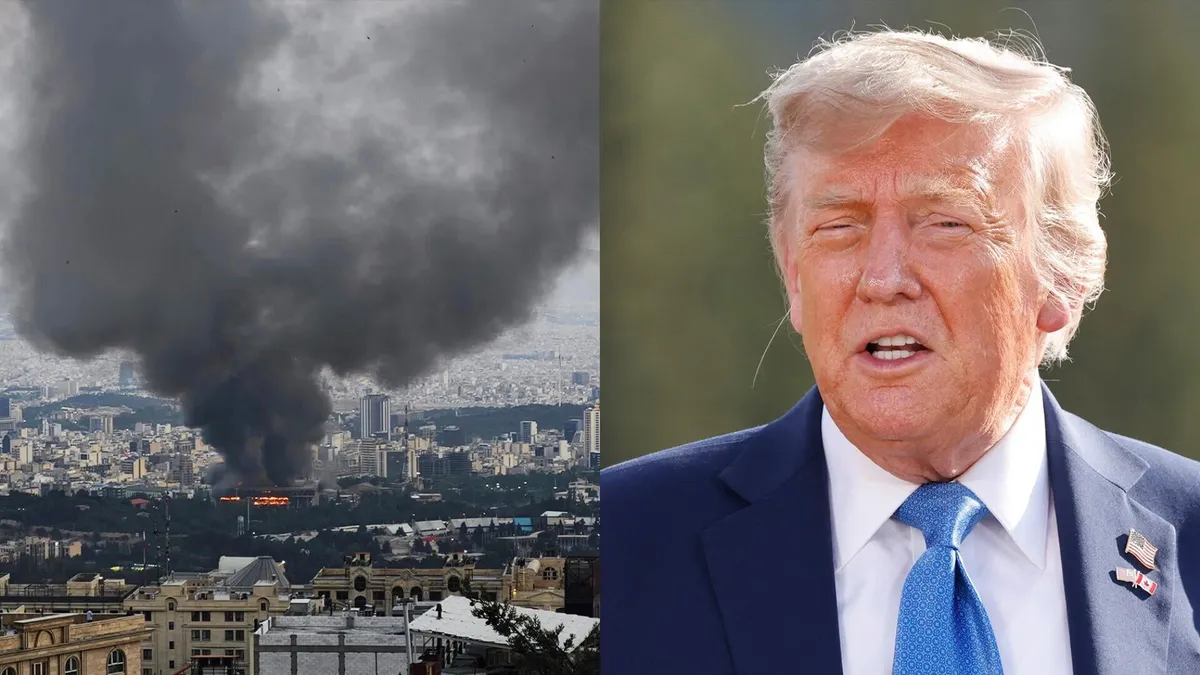
Speculation about Donald Trump’s health has been ongoing, particularly given his age of 79 and previous health concerns, including mystery lumps and skin flare-ups. Prior to April 4, 2026, there was a general expectation that Trump was maintaining his usual schedule, working from the White House and the Oval Office.
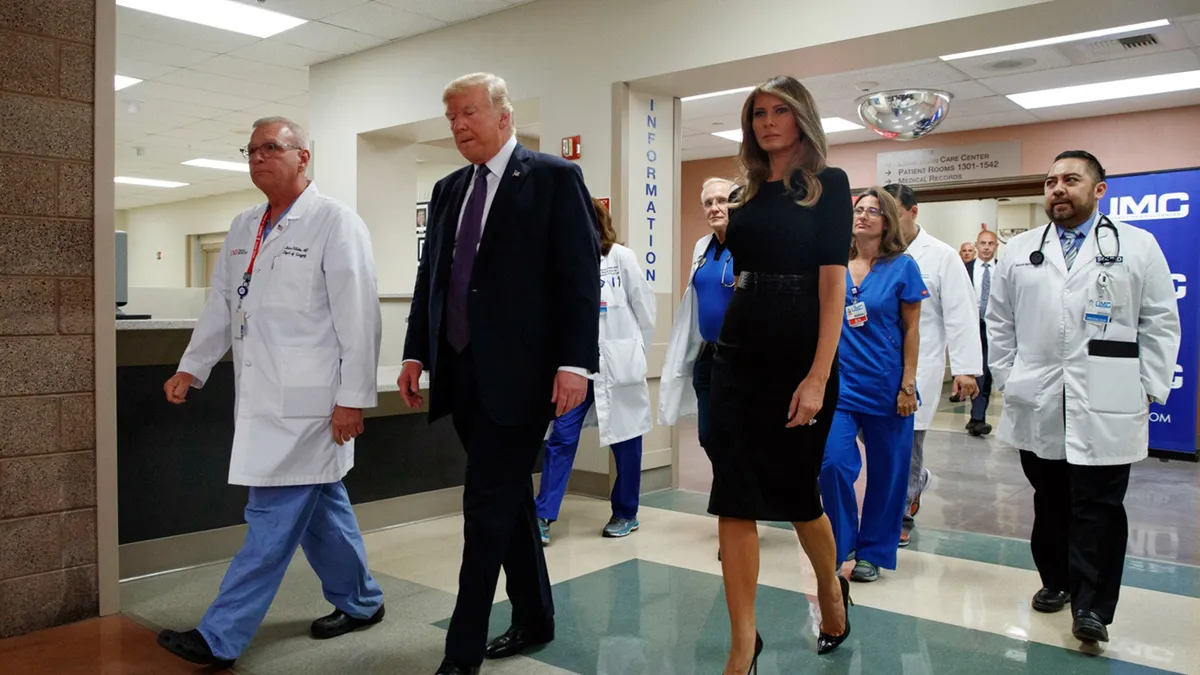
However, on April 4, rumors began circulating that Trump had been hospitalized at Walter Reed National Military Medical Center. These claims were fueled by unverified reports of road closures and possible flight restrictions near the facility, leading to increased public concern.
In response to the rumors, the White House quickly denied the claims, with a spokesperson stating that Trump has been working nonstop. Trump’s spokesman, Steven Cheung, emphasized, “There has never been a President who has worked harder for the American people than President Trump,” reinforcing the narrative that Trump is actively engaged in his duties.
The White House further criticized those spreading the rumors, labeling them as “deranged liberals” creating conspiracy theories. This response highlights the contentious political climate surrounding Trump’s presidency, where health rumors can quickly escalate into broader political narratives.
Despite the denials from the White House, the rumors have raised questions about Trump’s health and well-being, especially considering his age. The uncertainty surrounding his condition has led to a mix of concern and skepticism among the public and political commentators alike.
As of now, details remain unconfirmed regarding whether Trump was ever hospitalized. The situation underscores the challenges faced by public figures in managing health-related rumors, particularly in a highly polarized political environment.
In summary, while the White House has firmly denied the hospitalization claims, the rapid spread of rumors reflects ongoing public interest and concern regarding Trump’s health. The administration’s strong rebuttal aims to quell speculation and reassure the public of Trump’s active role in governance.