The Complex Legacy of John Cantlie
John Cantlie, a British photographer and reporter, was kidnapped in Syria in 2012, marking the beginning of a harrowing chapter in his life that would resonate within the realms of journalism and conflict reporting. His story is not just one of survival but also of the moral complexities faced by journalists in war-torn regions, particularly as he became a pawn in the propaganda machinery of the Islamic State.
During his captivity, Cantlie appeared in a series of propaganda videos released by his captors, which were designed to showcase their narrative and intimidate the West. His survival hinged on creating these videos, a decision that has sparked debates about the ethics of compliance under duress. Cantlie’s situation was further complicated by his known bravado and enjoyment in the face of danger, traits that defined his character as he documented the frontlines of the battle against Muammar Gaddafi in Libya in 2011.
In the context of his kidnapping, Cantlie worked alongside US journalist James Foley during the civil war in Syria, a partnership that tragically ended with Foley’s execution by the Islamic State in 2014. This connection highlights the perilous environment that journalists face in conflict zones, where the line between reporting and survival often blurs. The role of reporters has become increasingly perilous, particularly in North Africa and the Middle East, where the risks are amplified by the presence of extremist groups.
In 2017, reports emerged suggesting that Cantlie was believed to have died in an airstrike in Iraq. However, the precise evidence linking his captivity in Syria to this reported airstrike remains unclear. This uncertainty adds a layer of complexity to Cantlie’s narrative, as many questions linger about his fate and the circumstances surrounding his death.
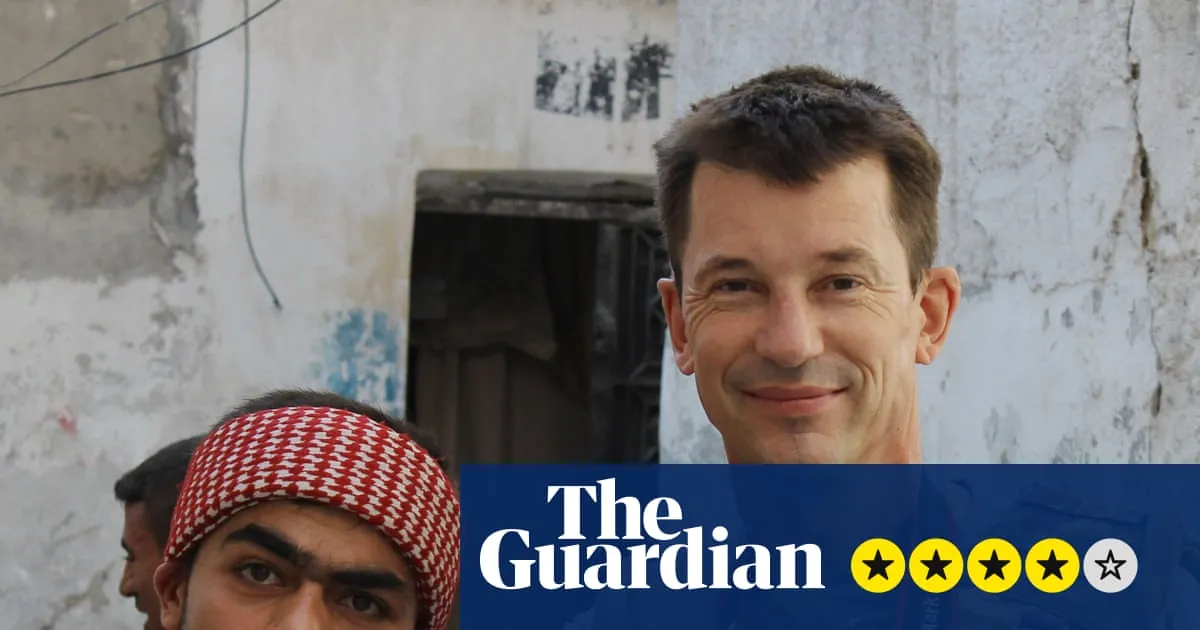
The documentary ‘Hostage’ explores Cantlie’s life and motivations, providing a nuanced portrait of a man caught in extraordinary circumstances. It includes footage from Cantlie’s own smartphone videos and selfies, offering a glimpse into his psyche during captivity. However, Cantlie’s family declined to participate in the documentary, leaving gaps regarding his decision-making and movements before his capture.
Throughout his ordeal, Cantlie’s resilience and determination to document his experiences were evident. He famously stated, “If we don’t make it out of this, it’s been fun!” This quote encapsulates the spirit of a journalist who faced unimaginable challenges yet remained committed to his craft. The documentary presents a complicated portrait of Cantlie’s character under duress, reflecting the broader struggles of journalists who risk their lives to tell stories from the frontlines.
As the world reflects on the legacy of John Cantlie, it is essential to acknowledge the broader implications of his story. The challenges faced by journalists in conflict zones continue to evolve, and the need for protection and ethical considerations in reporting remains paramount. Details remain unconfirmed regarding the final moments of Cantlie’s life, leaving a haunting question mark over his legacy and the ongoing risks faced by those who dare to report from the world’s most dangerous places.