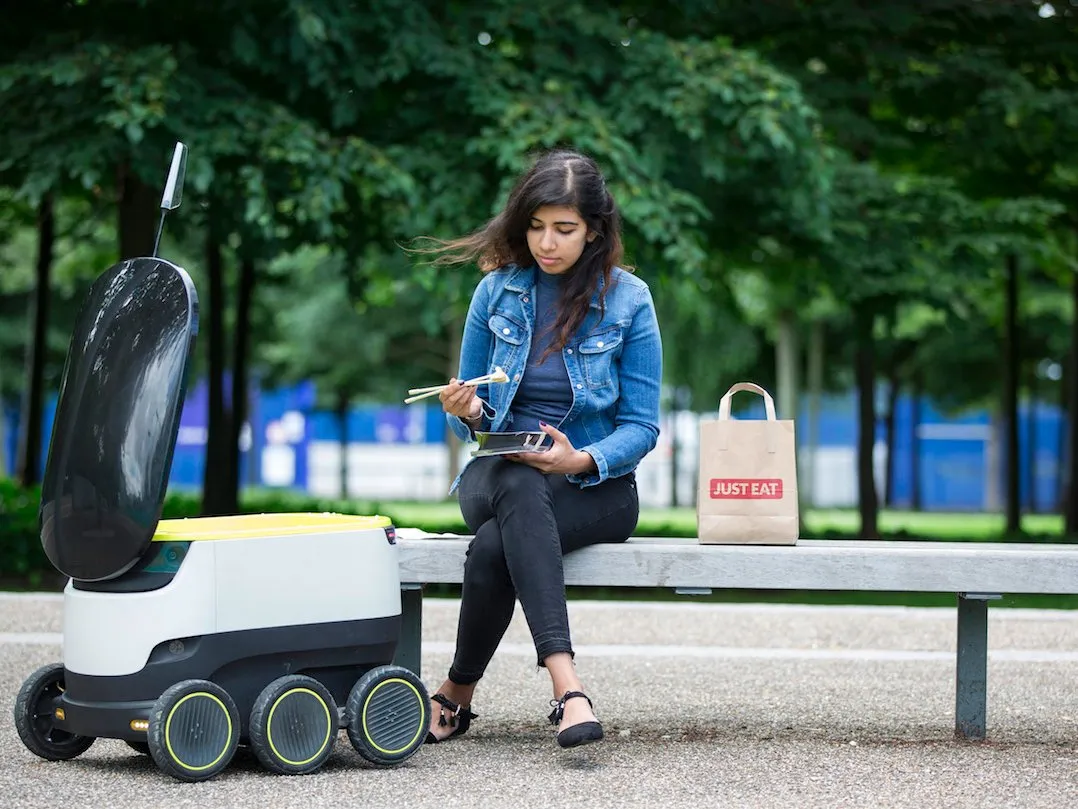
Just Eat has initiated a trial using small wheeled robots to deliver food to customers along Gloucester Road in Bristol. This development marks a significant shift in food delivery methods, as the company aims to leverage technology to enhance convenience for consumers. However, the trial has not been without controversy.
Prior to this trial, the expectation was that food delivery would remain a human-centric service, with delivery personnel navigating the streets. The introduction of robots was largely unforeseen and has raised immediate safety concerns among local residents and officials.
One notable incident involved a councillor’s dog narrowly avoiding being hit by one of the delivery robots during the trial. This incident has prompted local officials to voice their concerns about the potential risks associated with the robots operating in pedestrian environments.
As of March 2023, the trial has been running for over a month, yet Bristol City Council was not informed about its commencement. The council does not currently have a policy regarding the use of delivery robots, which raises questions about regulatory oversight.
Just Eat claims that the trial included safety assessments and collaboration with local authorities. The robots are designed to operate at low speeds along pavements and are equipped with cameras to navigate streets safely. Nevertheless, concerns persist, particularly from Councillor Ed Plowden, who has called for stronger national regulations for robot operators concerning licensing and health and safety.
Plowden remarked, “Emma’s dog was nearly run over by one of these a couple of days ago. It’s a very small dog so it may be that the tech bros need to do some more work.” This sentiment reflects a broader unease among residents regarding the safety of these delivery robots.
In response to the trial and its implications, Bristol City Council staff have been tasked with investigating how the trial is being conducted and what permissions were required for its operation. The lack of prior communication from Just Eat has raised further questions about the transparency of such technological implementations.
Just Eat is partnered with Delivers.AI for the robot trial and is also collaborating with the road safety charity Brake to promote safe delivery practices. However, the effectiveness of these measures remains to be seen.
As the trial continues, the outcomes will likely influence future decisions regarding the integration of delivery robots in urban settings. Local officials and residents are keenly observing the developments, hoping for a balance between innovation and safety.
Details remain unconfirmed regarding the long-term plans for these robots in Bristol and how the feedback from this trial will shape future regulations.