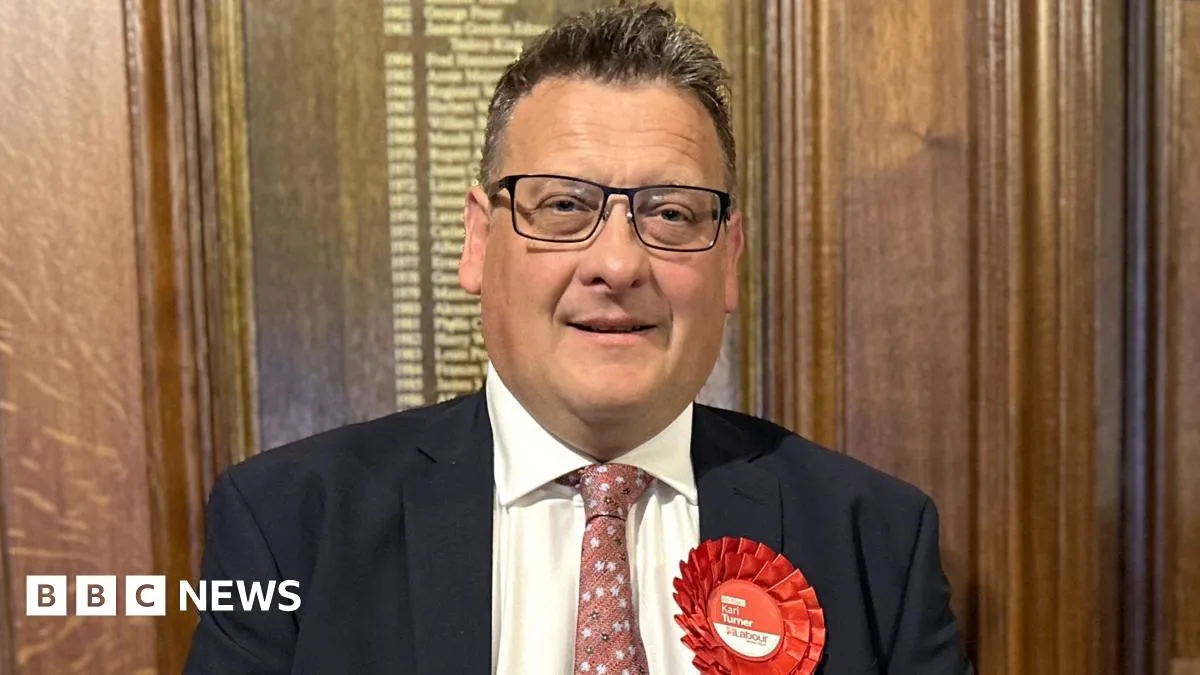
What does Karl Turner’s suspension from the Labour Party signify for the future of jury trials in the UK? Turner has been suspended after his outspoken criticism of the government’s proposal to limit jury trials in England and Wales, a move he has labeled as misguided.
Turner, who has served as an MP since 2010 and was re-elected in 2024 with an increased vote share of 43.8%, was informed of his suspension by the chief whip, Jonathan Reynolds. He stated, “I am being told that I have had the whip suspended but I have not had any notification from the whips about this.” This suspension follows a pattern where the Labour Party has previously suspended other MPs for voting against the government.
In the wake of his suspension, Turner has expressed his unwavering commitment to the Labour Party, stating, “My commitment to the Labour Party is unchanged.” He has also pledged to continue his fight against the proposed reforms, emphasizing his duty to act in good faith and protect the most vulnerable in society. He remarked, “I will continue to speak out against these proposals because my duty is to act in good faith, according to my principles and to protect the most vulnerable.”
Turner has been one of the most vocal opponents of the government’s plans, which have garnered significant backlash. Reports indicate that around 60 MPs are prepared to vote against these jury trial reforms, reflecting a broader discontent within the party and among constituents. Turner’s increased majority of 3,920 votes in the 2024 election underscores his strong support base, which may influence his next steps.
Despite the suspension, Turner suggested he might consider causing a by-election if he remains suspended. This potential move could further complicate the political landscape, particularly as he continues to rally support against the government’s approach to jury trials. He has been accused of ‘whipping up’ criticism of the government on social media, which may have contributed to the decision to suspend him.
Turner’s situation has drawn attention to the ongoing debate regarding jury trials in the UK. Critics argue that limiting jury trials could undermine the justice system, while supporters of the reforms claim they are necessary for efficiency. The Labour Party, under the leadership of Keir Starmer, faces the challenge of balancing internal dissent with party unity as it navigates this contentious issue.
As the political climate evolves, the implications of Turner’s suspension and the government’s proposed reforms remain to be seen. Turner’s commitment to his principles and his willingness to challenge the party line may resonate with voters who are concerned about the future of justice in the UK. Details remain unconfirmed regarding the exact nature of his suspension and its potential consequences for his political career.