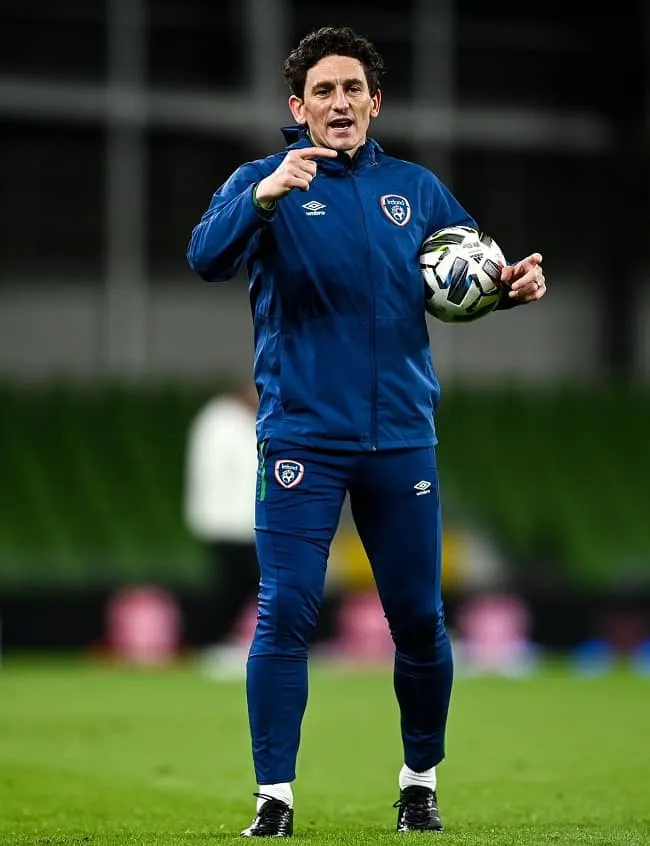
Before Keith Andrews took over as head coach of Brentford last summer, the team had established a solid foundation under Thomas Frank. Expectations were high, with a focus on maintaining their competitive edge in the Premier League. However, following a disappointing exit from the FA Cup at the hands of West Ham United, the urgency for change became evident.
On March 16, 2026, Andrews made a decisive move by implementing two changes to the starting XI for the match against Wolverhampton Wanderers. Sepp van den Berg and Mathias Jensen were brought into the lineup, while Kristoffer Ajer and Yehor Yarmoliuk were relegated to the bench. This shift marked a significant moment in Andrews’ tenure, showcasing his willingness to adapt and innovate.
The immediate effects of these changes were palpable. Brentford managed to secure a thrilling 4-3 victory against Wolverhampton, a result that not only boosted team morale but also highlighted Andrews’ tactical acumen. Reiss Nelson’s return to the matchday squad after a month away further underscored the evolving dynamics within the team.
Andrews has been vocal about his commitment to developing young talent, emphasizing the importance of providing first-team opportunities. Players like Romelle Donovan, who at just 19 years old has transitioned from the B team to the first team, exemplify this philosophy. Luka Bentt’s debut in the FA Cup and regular inclusion in Premier League matchday squads further illustrate the shift towards youth integration.
In his own words, Andrews stated, “It was business as usual, really,” reflecting his confidence in the team’s direction. He added, “I’ve loved it. I’ve just loved every minute of it, really,” indicating his passion for the role and the players he is guiding.
Andrews’ approach involves daily discussions with B team head coach Sam Saunders regarding player performances, ensuring a cohesive strategy for player development. This collaborative effort is crucial as Brentford aims to build a sustainable model that nurtures talent while competing at the highest level.
As Andrews continues to shape the future of Brentford, the focus remains on fostering an environment where young players can thrive. The recent changes and the team’s performance against Wolverhampton serve as a testament to the potential that lies ahead.
With a contract extension in place until 2032, Andrews is poised to lead Brentford through this transformative phase, aiming for long-term success while maintaining the club’s competitive spirit in the Premier League.