How it unfolded
The situation in Kent, UK, has escalated since mid-March 2026, when health authorities began to report cases of meningococcal disease. On March 13, the UK Health Security Agency (UKHSA) notified the public of the first cases, which have since grown to a total of 13 confirmed instances. This alarming rise in cases has led to significant concern, particularly within the student community at the University of Kent.
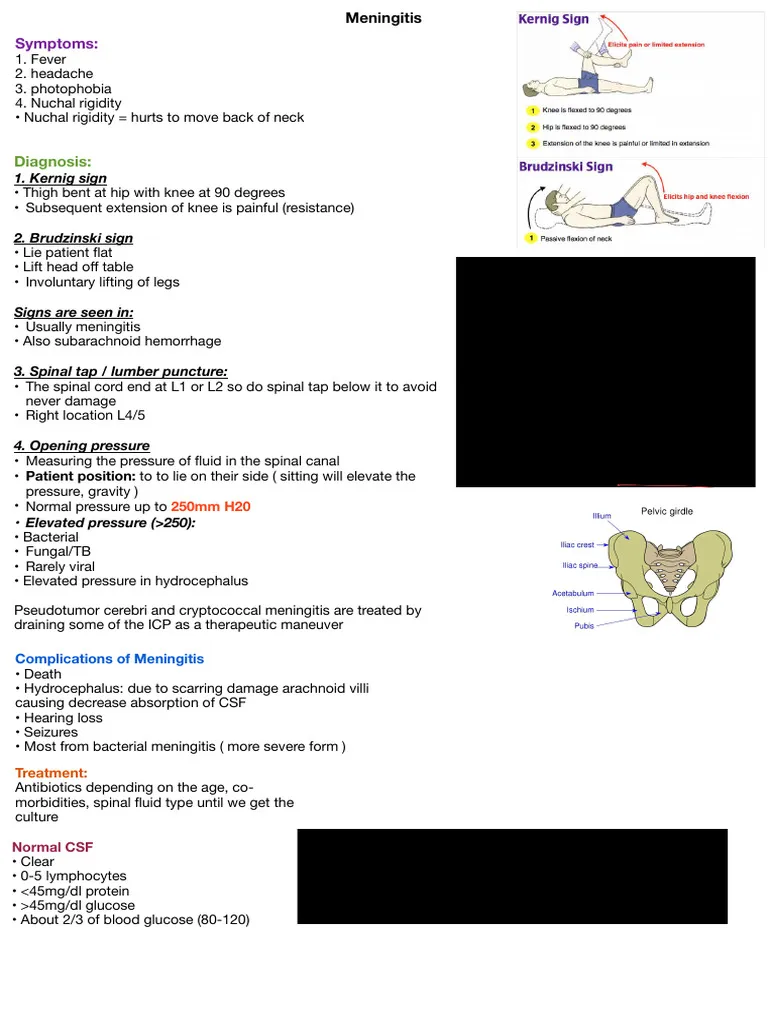
As of now, two individuals have tragically lost their lives due to the outbreak. The specific strain of meningococcal disease responsible for these cases has not yet been identified, leaving health officials and the public with unanswered questions. The symptoms of meningococcal disease, which include fever, headache, rapid breathing, and rash, have prompted urgent calls for vigilance among those who may have been exposed.
In response to the outbreak, UKHSA has advised anyone who visited Club Chemistry on March 5, 6, or 7 to seek preventative antibiotic treatment. This recommendation is part of a broader effort to contain the spread of the disease and protect the health of the community. Furthermore, antibiotics are being offered to approximately 16,000 staff and students at the University of Kent, highlighting the scale of the response required to address this health crisis.
The outbreak has caused fear and panic among students at the University of Kent, with many expressing concerns about their health and the potential for further spread of the disease. Joe Bradshaw, a student, remarked, “I’m less concerned about my own health than spreading [the infection] to other vulnerable people,” reflecting the anxiety felt among the community.
Social media has also played a role in amplifying fears, with students like Sofia Malanga noting, “There’s a lot going around on social media that makes it more scary. The videos are terrifying.” This has added to the urgency of the situation, as misinformation can exacerbate public anxiety during health crises.
In light of the outbreak, the University of Kent has taken precautionary measures by moving all in-person exams online. This decision aims to minimize the risk of transmission among students and staff during a critical academic period. The university, in collaboration with UKHSA, has been proactive in providing information and resources to its community, ensuring that students are aware of the signs and symptoms of meningococcal disease.
As the situation continues to develop, health officials remain vigilant. Trish Mannes, UKHSA Regional Deputy Director for the South East, stated, “Our thoughts remain with the friends and family involved and we understand that many people in the university and wider community will be affected by this sad news.” Details remain unconfirmed regarding the specific strain of the disease, but the focus remains on preventing further cases and ensuring the safety of the community.
The outbreak of meningococcal disease in Kent serves as a stark reminder of the importance of public health awareness and the need for swift action in the face of emerging health threats. As authorities work to contain the situation, the community’s cooperation and vigilance will be crucial in navigating this challenging time.