How it unfolded
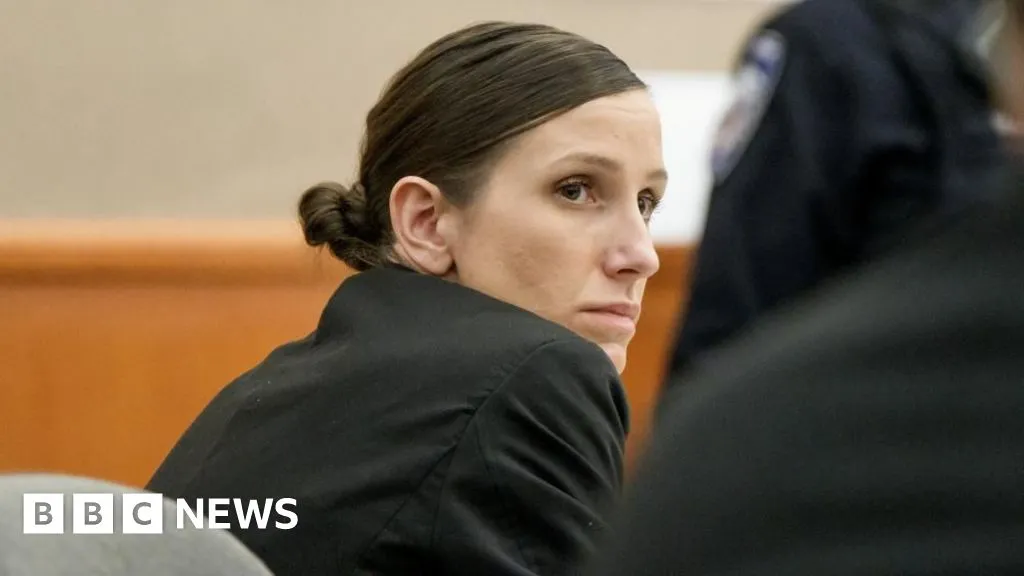
The trial of Kouri Richins, which took place at the Summit County Courthouse in Coalville, Utah, culminated on March 17, 2026, with a jury finding her guilty of aggravated murder. This verdict followed a series of troubling events that began with the death of her husband, Eric Richins, in March 2022, who succumbed to a lethal dose of fentanyl.
In the months leading up to the trial, Kouri Richins was charged with multiple serious offenses, including aggravated murder, attempted murder, forgery, mortgage fraud, and insurance fraud. The prosecution argued that she had a financial motive for her husband’s death, allegedly hoping to gain over $2 million from life insurance policies she had taken out on him without his knowledge.
During the trial, it was revealed that Kouri Richins was in significant financial distress, with debts amounting to $4.5 million at the time of Eric’s death. This backdrop of financial instability was compounded by her actions, which included searching online for information about lethal doses of fentanyl and luxury prisons, suggesting premeditation.
The jury deliberated for just under three hours before reaching their verdict, indicating a swift conclusion to the proceedings. Kouri Richins was also convicted of attempted murder for a previous poisoning attempt involving a fentanyl-laced sandwich, further complicating her legal situation.
As the trial progressed, Kouri Richins’s defense team maintained that she was a mother who wanted to return home to her children, arguing against the prosecution’s portrayal of her as a calculating murderer. However, the prosecution’s narrative painted a stark picture, with one witness describing her as a “black widow” who wanted to leave her husband but not his money.
In a poignant twist, Kouri Richins had published a children’s book about grief shortly after her husband’s death, which was released on March 5, 2023. This book has drawn scrutiny in light of the charges against her, raising questions about her motivations and emotional state during that period.
With the conviction, Kouri Richins now faces a potential sentence of 25 years to life in prison for the aggravated murder charge alone. The case has captured public attention not only for its tragic elements but also for the complex interplay of financial motives and personal relationships.
As the legal proceedings conclude, the impact of this case extends beyond the courtroom, affecting the families involved and raising broader questions about trust, betrayal, and the lengths to which individuals may go for financial gain. The community remains in shock, grappling with the implications of the verdict and the life of Eric Richins, who would have turned 44 on the sentencing date.