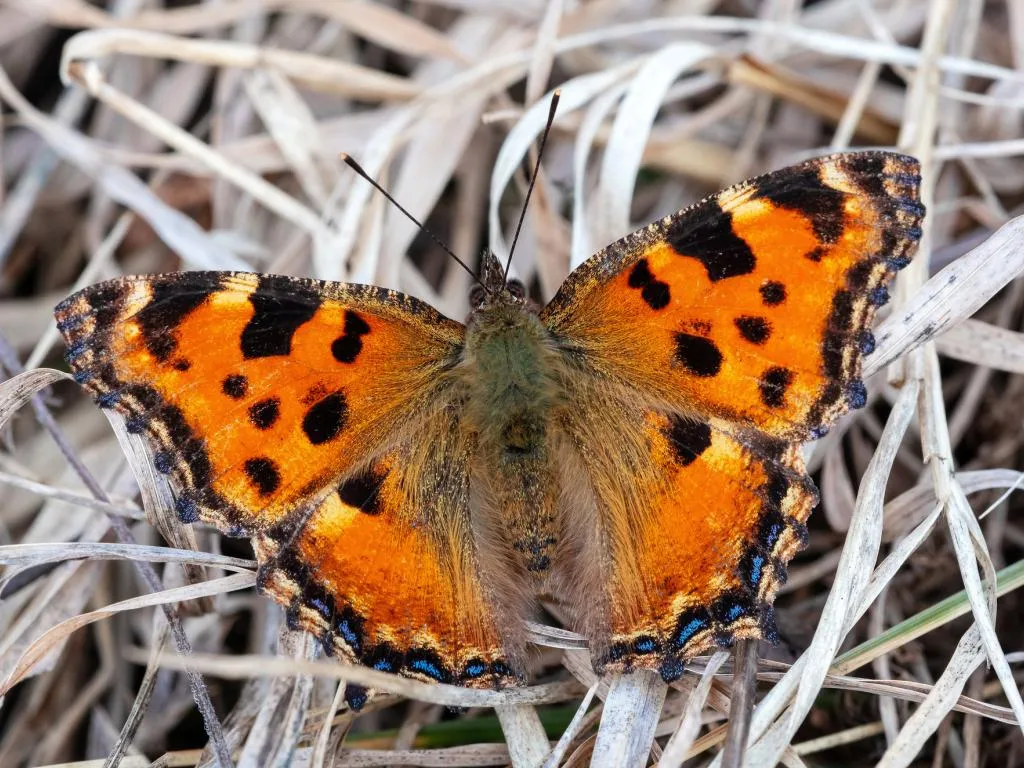
Positive Signs for the Large Tortoiseshell Butterfly
“The signs are really positive, which is lovely. It is resident and therefore it is another species to add to Britain’s total,” stated Professor Richard Fox, a leading expert on butterfly conservation. This statement encapsulates the excitement surrounding the recent resurgence of the large tortoiseshell butterfly, which has been confirmed to be breeding again in Britain after being classed as extinct for over 30 years.
The large tortoiseshell butterfly was widely believed to have disappeared from Britain during the mid-20th century, primarily due to factors such as Dutch elm disease, which devastated its habitat. The last recorded sighting of this species in the UK occurred in the 1980s, leading to concerns about its long-term survival. However, recent reports of sightings across various regions, including Kent, Sussex, Hampshire, Dorset, Cornwall, and the Isle of Wight, have sparked renewed hope among conservationists.
Since 2020, caterpillars of the large tortoiseshell have been discovered feeding on trees in the wild, indicating that the species is not only surviving but also successfully breeding. This development has led to the butterfly being confirmed as Britain’s 60th resident butterfly species, a significant milestone for biodiversity in the region.
Professor Fox elaborated on the implications of these findings, saying, “If the individuals that are being seen can survive and reproduce then there’s no downside to the large tortoiseshell coming back.” This sentiment reflects the broader ecological importance of the butterfly, which primarily lays its eggs on elm trees, making it vulnerable to environmental changes and diseases.
Experts believe that climate change and growing populations of the large tortoiseshell in Europe may be contributing factors to its recolonization of Britain. As conditions become more favorable, the butterfly’s return could signify a positive shift in the ecosystem, potentially leading to a more diverse range of species in the area.
Looking ahead, Professor Fox expressed optimism about the future of the large tortoiseshell butterfly, stating, “I would imagine that, if things carry on with this trajectory, then when we compile our next GB Red List we may not classify the large tortoiseshell as regionally extinct.” This potential reclassification would mark a significant victory for conservation efforts and highlight the resilience of nature.
Despite the encouraging news, details remain unconfirmed regarding the precise reasons for the large tortoiseshell’s disappearance in the first place. Ongoing research and monitoring will be essential to ensure the continued survival of this remarkable species and to understand the factors that contribute to its recovery.