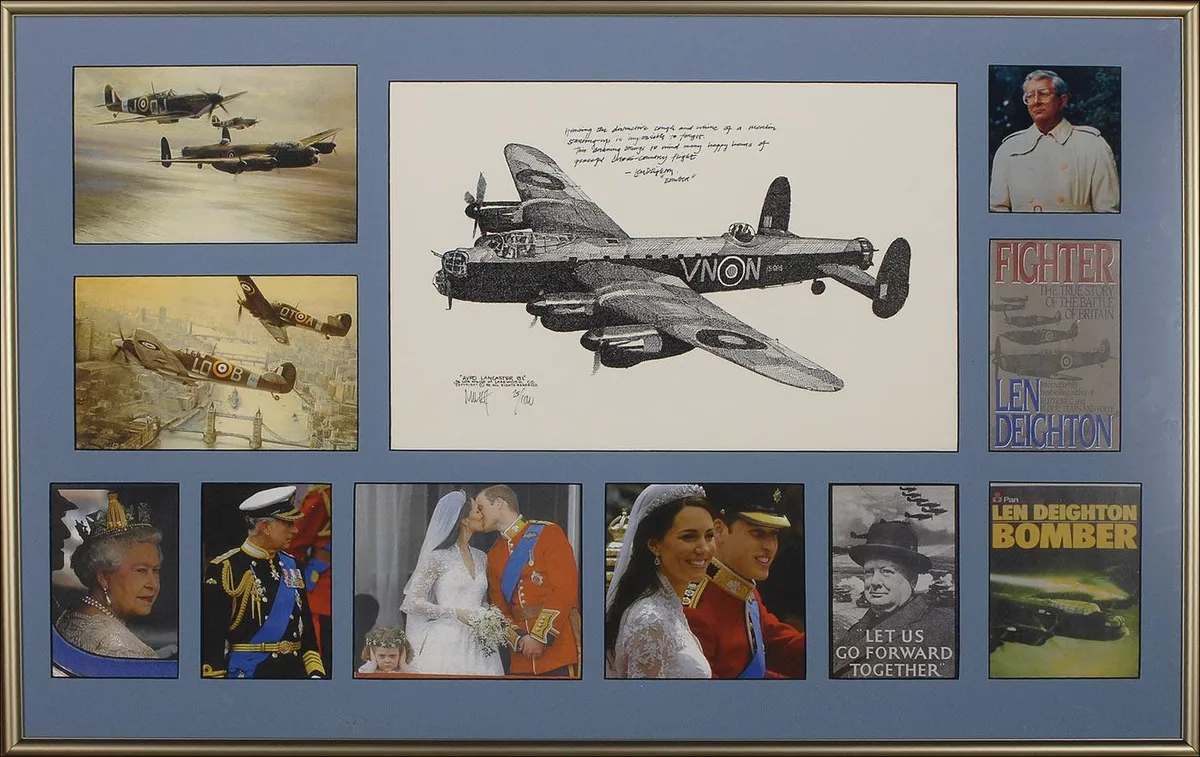
Len Deighton, the celebrated author known for his groundbreaking espionage novels, has died at the age of 97. Before his passing, Deighton was widely recognized for his unique contributions to the genre, particularly through his first novel, The Ipcress File, published in 1962. This work not only established his reputation but also set a new standard for spy fiction, contrasting sharply with the more glamorous portrayals found in Ian Fleming’s James Bond series.
Deighton’s death on March 17, 2026, marks a significant moment in literary history. His work, especially the adaptation of The Ipcress File into a film in 1965 starring Michael Caine, has left an indelible mark on both literature and cinema. The immediate impact of his passing has been felt across the literary community, with tributes pouring in from fans and fellow authors alike.
Tim Bates, a contemporary of Deighton, remarked, “Len was a Titan,” highlighting the profound influence Deighton had on the literary world. His novels, including the later works featuring characters like Bernard Samson, showcased a more realistic and gritty approach to espionage, diverging from the fantastical elements often associated with spy narratives.
Throughout his career, Deighton wrote more than two dozen novels, with his last book in the final trilogy, Faith, Hope and Charity, published in 1996. His contributions extended beyond fiction; he was also a food correspondent for The Observer in the 1960s and authored several cookbooks aimed at men, including Len Deighton’s Action Cook Book.
His ability to intertwine culinary expertise with literary prowess set him apart from his peers. Deighton’s legacy is not only in the stories he told but also in the way he illustrated over 200 book covers, showcasing his multifaceted talents.
Deighton’s reflections on the literary world were candid; he once stated, “I had never read a James Bond book,” emphasizing his distinct approach to storytelling. His perspective on the genre was further encapsulated when he quipped, “You’re a blunt instrument that the critics have used to smash Ian Fleming over the head,” showcasing his awareness of the literary landscape.
As the literary community mourns his loss, Deighton’s works continue to resonate, influencing new generations of writers and readers. His unique voice and approach to espionage fiction will be remembered as a significant chapter in the history of literature.
Details remain unconfirmed regarding any upcoming tributes or memorials planned in his honor, but the impact of Len Deighton’s work will undoubtedly endure.