Who is involved
Before the launch of McDonald’s collectible game cards on March 17, 2026, the fast-food giant was primarily known for its long-standing promotional campaigns, such as the iconic Monopoly game. This promotion had successfully drawn in customers for years, creating a sense of excitement and engagement around the brand. However, as consumer preferences evolved, there was a growing need for McDonald’s to adapt its marketing strategies to maintain relevance, particularly among younger audiences.
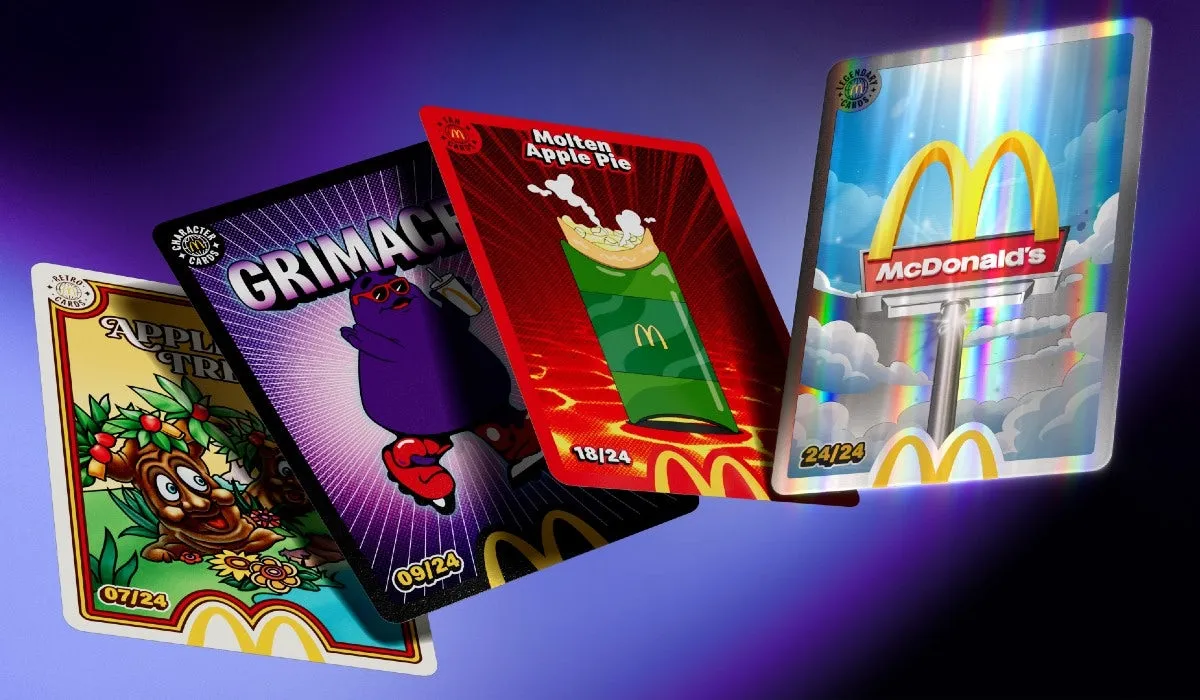
The decisive moment came with the introduction of the new collectible game cards, which allow customers to collect up to 24 cards across four categories: characters, fans, retro, and legendary. This initiative marks a significant shift in McDonald’s promotional approach, moving towards a more interactive and collectible experience. Each qualifying meal provides consumers with four cards, one of which contains an instant win for a food item. Notably, the promotion includes 10 golden Ronald cards, with recipients winning £10,000, contributing to a total of £4 million in cash prizes available throughout the campaign.
The direct effects of this initiative are already being felt. By collaborating with collectors to shape the cards, McDonald’s has ensured credibility in the collectible space, which is crucial for attracting a dedicated fan base. The brand aims to create a long-term fixture similar to its successful Monopoly campaign, indicating a strategic pivot towards sustainable engagement rather than short-term promotions. This approach not only enhances customer interaction but also fosters a sense of community among collectors.
Experts in marketing and brand engagement have highlighted the significance of this shift. Hannah Pain, a key figure in the development of the cards, expressed her long-term ambitions for the platform, stating, “I have long-term ambitions of bringing this platform for many, many more years.” This sentiment reflects a commitment to evolving the brand’s promotional strategies in line with consumer expectations.
Andrew Long, another expert involved in the initiative, remarked on the rich history of the McDonald’s brand, emphasizing that the collectible cards tap into this legacy while appealing to a new generation. The initiative is designed not only to attract existing fans but also to engage those who may not have previously considered themselves card collectors. Pain noted, “Even if you haven’t been a card collector before, we actually really think that you’re probably going to get into it by the time you see these beautiful cards.” This perspective underscores the potential for the promotion to broaden McDonald’s audience.
The Cards initiative has been in development for two years, indicating a thoughtful approach to its execution. Pain further elaborated on the distinctiveness of this promotion, stating, “The way that this is shaped is very different from a typical food short-term promotion that we’re used to running.” This statement highlights McDonald’s intent to create a lasting impact rather than a fleeting marketing gimmick.
As the promotion unfolds, it remains to be seen how effectively McDonald’s will achieve its goals of building brand affinity and relevance with younger audiences. The success of the collectible game cards will likely depend on the brand’s ability to maintain engagement and adapt to the evolving preferences of its customers. Details remain unconfirmed regarding the long-term impact of this initiative, but the early signs suggest a promising shift in McDonald’s promotional landscape.