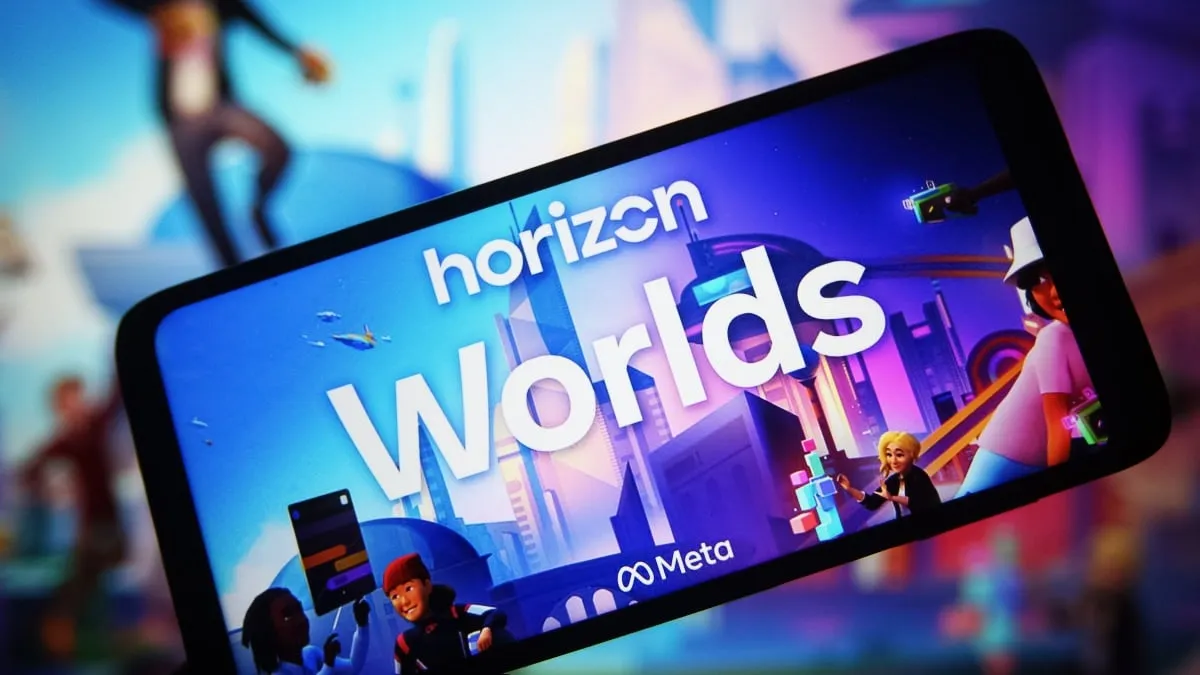
Meta has confirmed that its virtual reality platform, Horizon Worlds, will no longer be available in VR after June 15, 2026. This decision follows the company’s strategy to reorient its efforts toward a mobile application version of Horizon Worlds, which became available on mobile and desktop in 2023. The removal of Horizon Worlds from the Quest Store is set to occur by March 31, 2026.
Since rebranding from Facebook to Meta, the company has invested a staggering $80 billion in the metaverse, making it the single largest investor in the VR industry. Despite the shutdown of Horizon Worlds, Meta’s VR hardware line will continue to operate, indicating that the company remains committed to its broader vision of virtual reality.
In the context of VR training, Walmart has been utilizing VR-based training for its contact center agents since 2021. A recent survey revealed that the average annual turnover rate for contact center employees has reached 60% in 2023. In response, Walmart implemented VR training programs that significantly reduced total training time for associates from eight hours to just 15 minutes. Furthermore, employee satisfaction scores at Walmart rose by 30% following the introduction of VR training, with associates scoring 10-15% higher on post-training assessments.
Industry experts, such as Marty Resnick, predict that by 2026, 25% of people will spend at least one hour a day in the metaverse for various activities, including work, shopping, education, and entertainment. Additionally, he forecasts that 30% of organizations worldwide will have products and services ready for the metaverse by the same year. Resnick emphasizes the importance of product managers taking the time to learn and prepare for the metaverse to remain competitive.
Despite the challenges faced by Horizon Worlds, Meta’s commitment to developing a robust roadmap for future VR headsets tailored to different audience segments suggests that the company is not abandoning its metaverse ambitions. The metaverse as a customer-facing service channel, however, has yet to materialize in any meaningful way, raising questions about the long-term viability of certain investments in the sector.
As the metaverse landscape evolves, observers are keen to see how Meta’s shift in strategy will impact its position within the VR industry and whether other companies will follow suit. The closure of Horizon Worlds may signal a broader trend of companies reassessing their investments in virtual reality as they navigate the complexities of user engagement and technology adoption.
Details remain unconfirmed regarding the specific features and functionalities that the new mobile app will offer, as well as how it will differentiate itself from the existing VR platform. As Meta continues to explore the future of the metaverse, the industry watches closely to see how these changes will shape the virtual reality landscape in the coming years.