The wider picture
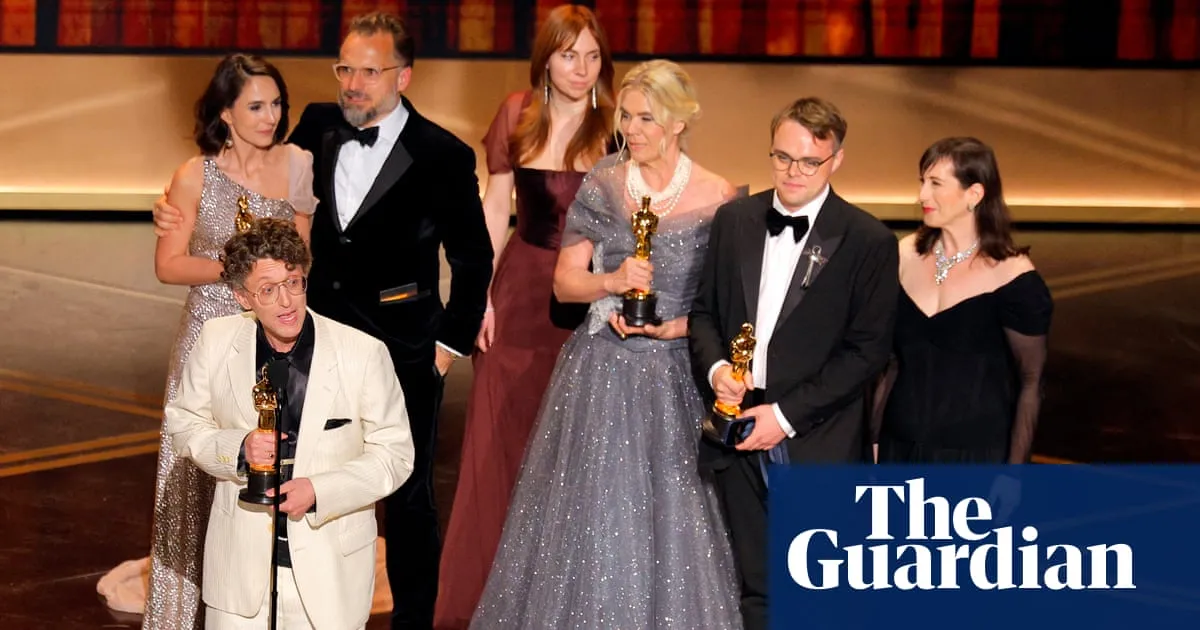
The documentary Mr Nobody Against Putin has emerged as a significant cultural artifact, capturing the troubling indoctrination of students in Russia to support the invasion of Ukraine. Directed by David Borenstein and featuring the experiences of Pavel Talankin, a primary school teacher, the film provides a stark look at how educational institutions are utilized as tools for propaganda. This documentary has resonated widely, culminating in its recent Oscar win for Best Documentary, marking a notable moment in the ongoing discourse surrounding freedom of expression and governmental control in Russia.
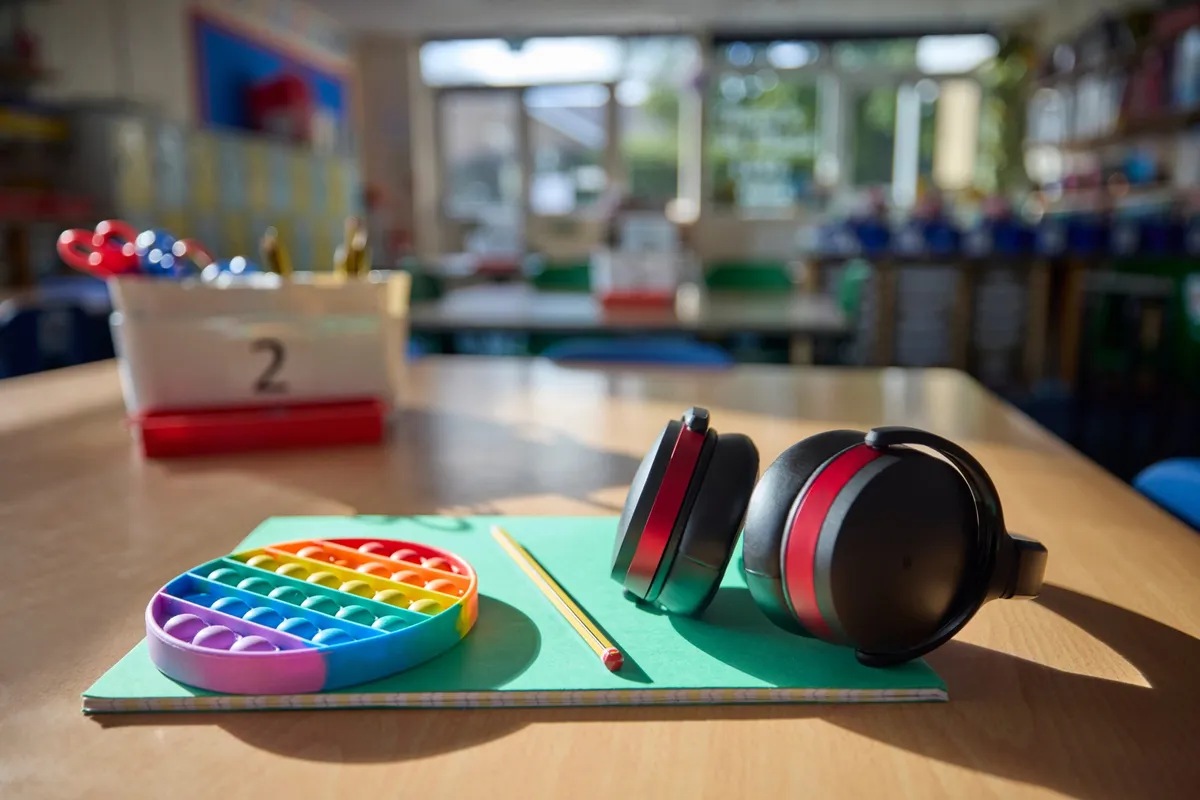
Filmed secretly over two years at Karabash Primary School #1, Mr Nobody Against Putin reveals the systematic efforts to instill nationalist sentiments in young minds. Talankin’s firsthand accounts of the indoctrination process highlight the risks faced by educators in Russia, especially under new laws that have severely curtailed freedoms. His decision to document these practices has forced him into exile in Europe, where he continues to advocate against the oppressive regime.
In a statement reflecting on the film, Borenstein remarked, “Mr Nobody Against Putin is about how you lose your country.” This sentiment encapsulates the film’s core message, emphasizing the personal and collective losses experienced by those who resist the state’s narrative. Talankin, echoing this urgency, stated, “In the name of our future, in the name of all of our children, stop all of these wars now,” underscoring the dire consequences of ongoing conflicts.
The film premiered at the Sundance Film Festival in 2025, where it garnered significant attention and acclaim. Since its release, it has been available for streaming on BBC iPlayer, allowing a broader audience to engage with its critical themes. The positive reviews and numerous accolades received by the documentary reflect a growing awareness and concern about the implications of state-sponsored propaganda.
Notably, Mr Nobody Against Putin is the third film this decade to win an Oscar while being critical of the Russian government. This trend highlights a shifting landscape in which filmmakers are increasingly willing to confront authoritarianism, despite the risks involved. New Russian laws have heightened these dangers, making Talankin’s involvement in the film particularly perilous, as it could have led to a life sentence in prison.
As the documentary continues to spark discussions, observers note that the implications of its content extend beyond Russia. The parallels drawn by Borenstein between the situation in Russia and the current state of affairs in America have prompted intense debates. While he expressed a desire to compare the two, his Russian colleagues countered, stating, “No, no, it’s not the same situation. It’s actually happening quicker in America than it’s been happening in Russia.” This exchange highlights the complexities of political discourse in a global context.
Looking ahead, the impact of Mr Nobody Against Putin is expected to resonate in various spheres, from educational reform to international policy discussions. The film serves as a poignant reminder of the power of storytelling in the face of oppression and the importance of safeguarding freedoms in all societies. As more viewers engage with its content, the hope is that it will inspire action and awareness regarding the ongoing struggles against authoritarian regimes.