Nepal Election Results: Rastriya Swatantra Party Leads Amid High Voter Turnout
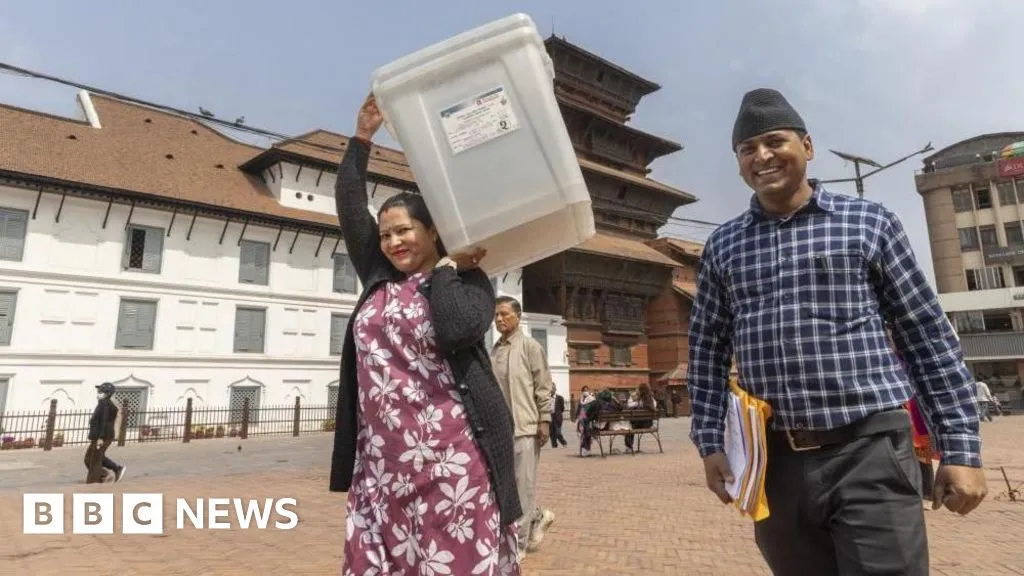
Vote counting is underway in Nepal’s parliamentary elections, with the Rastriya Swatantra Party emerging as a frontrunner in several constituencies. This election marks a pivotal moment for the nation, being the first nationwide vote since the protests in 2025 that called for significant political reforms.
As of now, around 60 percent of eligible voters participated in the election, reflecting a robust engagement from the electorate. The electoral process involves the election of 165 Members of Parliament (MPs) through first-past-the-post voting, alongside 110 MPs selected via proportional representation. These results could potentially reshape Nepal’s political landscape, depending on the final outcomes.
The Rastriya Swatantra Party, led by Balendra Shah, has gained traction among voters, indicating a shift in public sentiment towards new political alternatives. This party’s rise comes in the context of a broader demand for transparency and stronger governance, which has been a focal point of the youth-led protests that preceded this election.
In the backdrop of these developments, the Nepali Communist Party and the Nepali Congress are also key players in the electoral race, with their performances closely watched as the results unfold. The election is seen as a critical juncture for these traditional parties, which have faced increasing scrutiny and calls for reform in recent years.
Details remain unconfirmed as the counting progresses, but initial reports suggest that the Rastriya Swatantra Party’s lead could signal a significant shift in the political dynamics of Nepal. The implications of these results will likely resonate beyond the immediate electoral outcomes, influencing future governance and policy directions.
As the situation develops, reactions from various political leaders and analysts are expected to provide further insights into the implications of the election results. The atmosphere remains charged as citizens await the final tallies and the potential for a new political era in Nepal.
In summary, the ongoing vote counting in Nepal’s parliamentary elections has positioned the Rastriya Swatantra Party as a leading force, amidst a backdrop of high voter turnout and significant public demand for change. The coming days will be crucial in determining the future political landscape of the country.