Before the recent developments, UK households were bracing for rising energy costs, with the Treasury estimating that the Renewables Obligation levy would add approximately £117 to the average household energy bill in 2025/26. The current VAT on household energy bills stands at 5%, further compounding the financial burden on families.
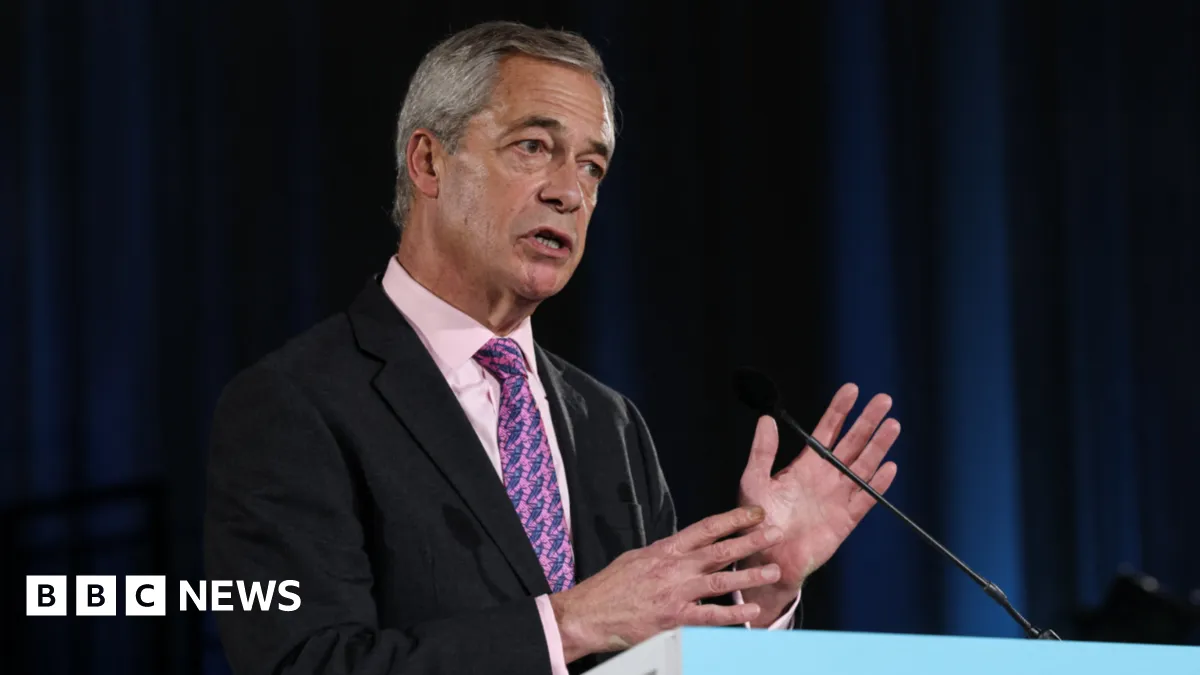
However, a decisive shift occurred when the political party Reform, led by Nigel Farage, proposed a series of measures aimed at alleviating these costs. Among their key proposals is the scrapping of VAT on household energy bills, which could save the average household £78 annually based on current prices. Additionally, they plan to remove the Renewables Obligation levy and the Carbon Price Support levy, which would save households an additional £117 and £15 respectively.
The immediate effects of these proposals have stirred significant reactions among political figures. Mr. Jenrick announced that Nigel Farage would personally pay the energy bills for an entire UK street for a year, a move seen as both a publicity stunt and a demonstration of commitment to the cause.
Critics, including Liberal Democrat Leader Ed Davey, have labeled Farage’s proposals as a “con,” arguing that his past actions have contributed to the current energy crisis. Davey stated, “Nigel Farage cheered on Trump’s illegal war on Iran that is sending petrol prices and energy bills through the roof. Now he says he wants to cut your energy bills. This is just Farage’s latest con.”
Reform’s policies are designed to be cost-neutral, as they would terminate subsidies for renewable energy sources. This approach has raised questions about the long-term viability of such a strategy, particularly in light of the UK’s commitment to renewable energy.
To fund these initiatives, Reform plans to implement a 7.5% reduction in the budgets of unprotected quangos, which they estimate could save £2.5bn annually by 2029/30. This audit of quangos aims to determine which should be abolished, returned to central government, or retained.
As the debate continues, the implications of these proposals on both energy policy and household finances remain to be seen. While some may welcome the potential savings, others express concern over the sustainability of funding cuts to renewable initiatives.
Details remain unconfirmed regarding the full impact of these proposals on the energy market and household budgets, but the conversation surrounding energy costs in the UK has undoubtedly intensified.