Reaction from the field
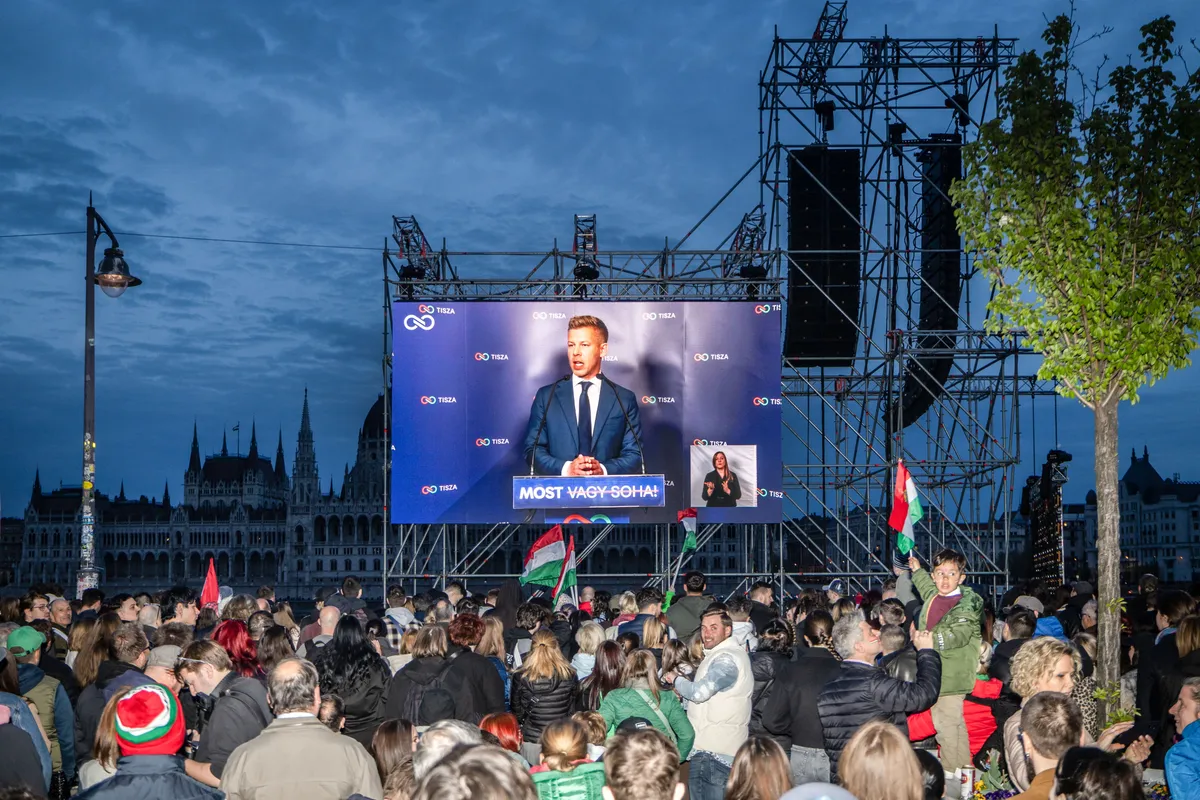
The upcoming Hungarian election on April 12, 2026, is shaping up to be a pivotal moment in the country’s political history, with Peter Magyar, the candidate from the Tisza Party, emerging as a formidable challenger to the long-standing Prime Minister Viktor Orbán. This election is not merely a contest for power; it is viewed as a referendum on Hungary’s political direction and its relationship with democratic norms in Europe.
Magyar’s candidacy is significant as it represents the most serious threat to Orbán’s grip on power since he first took office 16 years ago. Under Orbán’s leadership, the Fidesz party has faced increasing criticism for its authoritarian tendencies and erosion of democratic institutions. Recent polling indicates that Fidesz is trailing Magyar’s Tisza Party by an average of 10 points, a notable shift in the political landscape that could signal a change in governance.
In his campaign, Magyar has made bold promises to prosecute corruption and reverse the democratic backsliding that has characterized Orbán’s tenure. He stated, “The election is a referendum on whether Hungary continues on its drift toward Eastern autocracies, or can retake its place among the democratic societies of Europe.” This statement encapsulates the stakes involved in the upcoming election, highlighting the choice voters face between maintaining the current political trajectory or embracing a new direction.
Orbán’s Fidesz party has been in power since 2010, and during this time, the Prime Minister has been able to consolidate power significantly. Critics argue that he has created a political environment that makes it difficult for him to lose, yet also one where the consequences of a loss could be dire for his political future. The election is further complicated by concerns regarding the judiciary’s ability to ensure a fair electoral process, raising questions about the integrity of the upcoming vote.
The Organization for Security and Co-operation in Europe (OSCE) is leading the election observation mission, underscoring the international attention this election is receiving. The scrutiny from international observers may play a crucial role in ensuring that the electoral process is transparent and fair, especially given the historical context of Orbán’s governance.
As the election date approaches, the political atmosphere in Hungary is charged with uncertainty. Orbán’s administration has faced criticism for its handling of various issues, including a €90 billion loan to Ukraine, equivalent to $103 billion, which has raised eyebrows both domestically and abroad. The implications of this financial decision may influence voter sentiment as they consider the broader economic and political ramifications of continued Fidesz rule.
Details remain unconfirmed regarding the final voter turnout and the potential impact of Magyar’s campaign on the electorate. However, the growing support for the Tisza Party suggests that many Hungarians are ready for a change. As the election draws near, all eyes will be on Hungary to see if Peter Magyar can indeed alter the course of the nation’s political future.