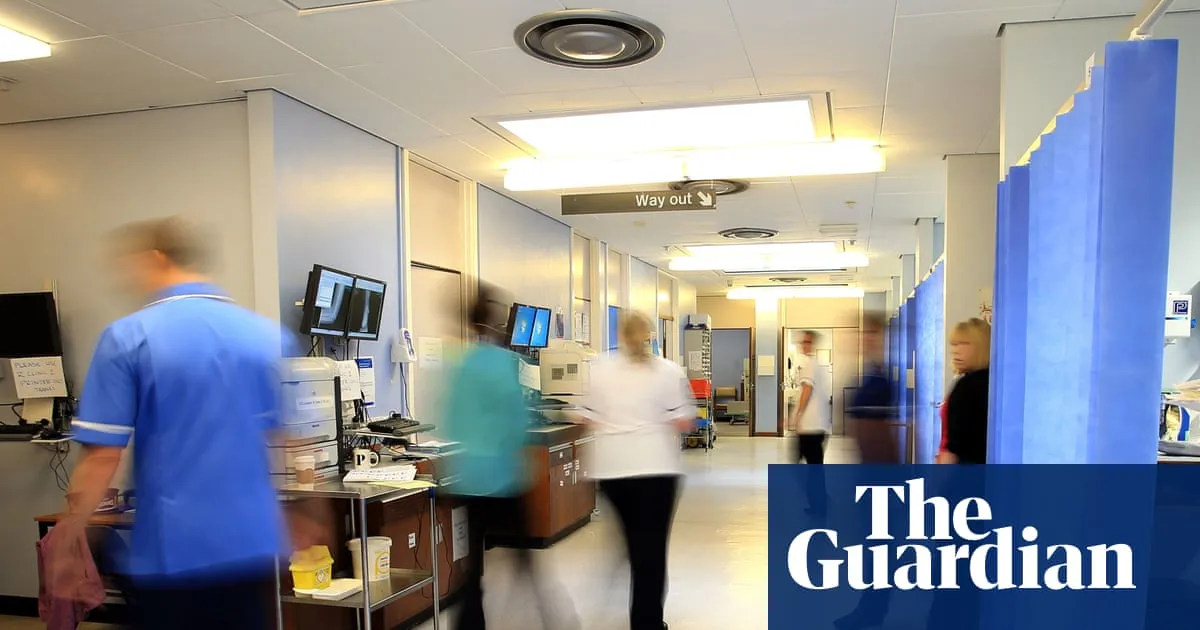
What are the implications of the upcoming resident doctors strikes in England? The strikes, which will last for six days from 7am on April 7 to 6:59am on April 13, follow the rejection of a final pay offer from the health secretary. This marks the 15th industrial action by resident doctors in their ongoing campaign for full pay restoration.
NHS leaders have warned that the strike could cost the health service an estimated £300 million. The British Medical Association (BMA) has attributed the decision to strike to the government’s failure to meet their demands, particularly concerning pay progression or nodal point reform.
The BMA is seeking a further 26% pay rise to address the erosion of real-terms salaries since 2008-09, while the government has offered a 3.5% pay rise for the next year. If the deal had been accepted, resident doctors would have earned approximately £700 million over the next three years.
The BMA announced the strike on March 25, 2026, as negotiations broke down. Dr. Jack Fletcher noted that negotiations had been progressing well until the government shifted its position two weeks prior, leading to a breakdown in talks.
Wes Streeting, the health secretary, expressed disappointment at the BMA’s decision to strike, stating, “The BMA’s move was enormously disappointing.” A source from the BMA remarked, “When the government intimated two weeks ago that it would take three years for doctors to get the money, that was the beginning of the end.”
Details remain unconfirmed regarding whether further negotiations will take place before the strike. The impact of the strike on patient care and NHS operations remains uncertain, as the health service braces for potential disruptions.
The first strike by resident doctors began on March 13, 2023, marking the start of a prolonged period of industrial action aimed at securing better pay and working conditions for medical professionals in the NHS.
As the situation develops, the BMA has indicated that it would only reach a deal if the government agrees to the full £700 million in the financial year starting next week. The outcome of this strike could significantly influence future negotiations and the overall landscape of healthcare in England.