Background of the Controversy
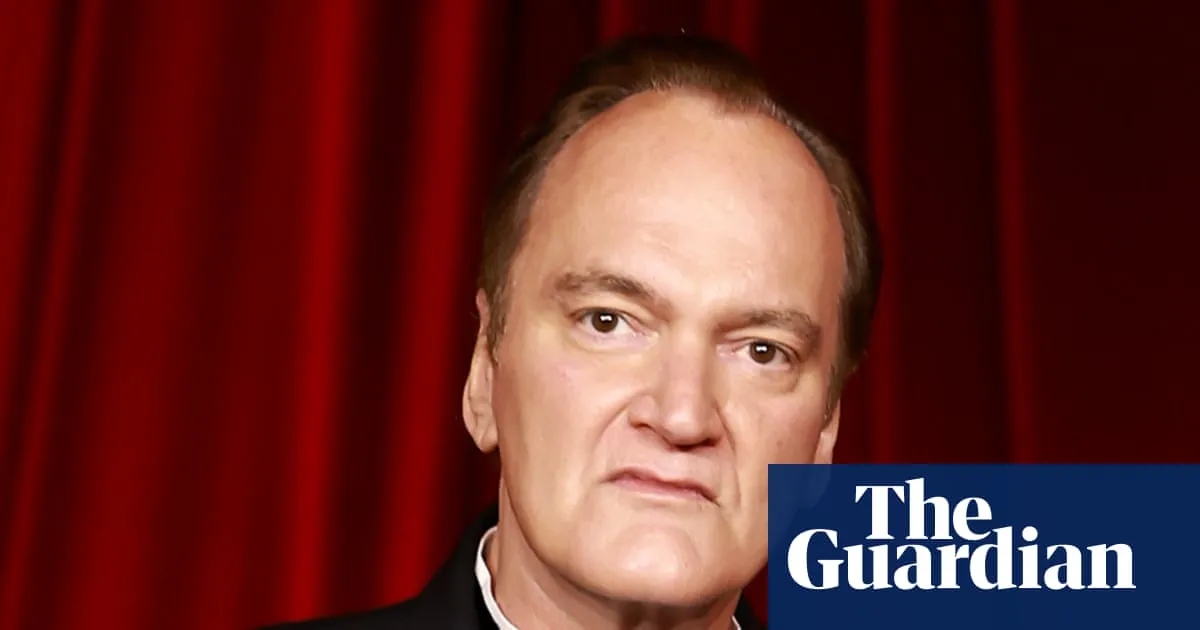
In the realm of cinema, Quentin Tarantino has long been a polarizing figure, particularly noted for his provocative use of language in films such as Pulp Fiction and Django Unchained. Historically, Tarantino has defended his artistic choices, including the use of racial slurs, claiming they serve a purpose in storytelling. However, this defense has often drawn criticism from various quarters, including notable filmmakers like Spike Lee. The expectation was that Tarantino would continue to navigate these criticisms with his characteristic bravado.
The Decisive Moment
On March 10, 2026, Rosanna Arquette, who played the role of Jody in Pulp Fiction, publicly criticized Tarantino’s use of the N-word during an interview with The Times. She stated, “I cannot stand that [Tarantino] has been given a hall pass. It’s not art, it’s just racist and creepy.” This statement marked a significant shift in the discourse surrounding Tarantino’s films, as it was not only a critique but also a personal reflection from someone who had previously collaborated with him. The media response was immediate, with 132 different outlets covering Arquette’s remarks, amplifying the conversation.
Tarantino’s response was equally pointed. He accused Arquette of displaying a “decided lack of class” in her criticism, suggesting that her remarks were disrespectful not only to him but also to the film that had once brought them together. He remarked, “I hope the publicity you’re getting from 132 different media outlets writing your name and printing your picture was worth disrespecting me and a film I remember quite clearly you were thrilled to be a part of?” This exchange highlighted the personal stakes involved, as both parties navigated their past collaboration amidst a heated public discourse.
Effects on the Parties Involved
The fallout from this exchange has implications for both Arquette and Tarantino. For Arquette, her bold stance against a prominent filmmaker may enhance her visibility in discussions about racial sensitivity in film. Conversely, Tarantino’s reputation as a controversial figure is further solidified, as he continues to face scrutiny over his artistic choices. The public’s reaction to this exchange may influence future collaborations and the broader conversation about race in cinema.
Expert Perspectives
Experts in film studies have weighed in on the significance of this public exchange. Many argue that Arquette’s criticism reflects a growing intolerance for racial insensitivity in media, suggesting that audiences are increasingly expecting accountability from creators. Tarantino’s films, particularly Django Unchained, which features the N-word 110 times, have been scrutinized for their language, and this incident may serve as a catalyst for further discussions on the responsibilities of filmmakers in portraying race and culture.
Historically, Tarantino has faced backlash for his use of the N-word, defending it as part of his artistic expression. At the 2013 Golden Globes, he reiterated his stance, emphasizing the importance of context in his films. However, the current exchange with Arquette signals a potential shift in the narrative, as artists and audiences alike grapple with the implications of such language in storytelling.
Looking Ahead
As the conversation continues, the dynamics between artistic expression and social responsibility remain at the forefront. The exchange between Arquette and Tarantino serves as a reminder of the complexities involved in discussing race in film. Details remain unconfirmed regarding any potential future collaborations or further responses from either party, but the impact of this dialogue is likely to resonate within the industry for some time.