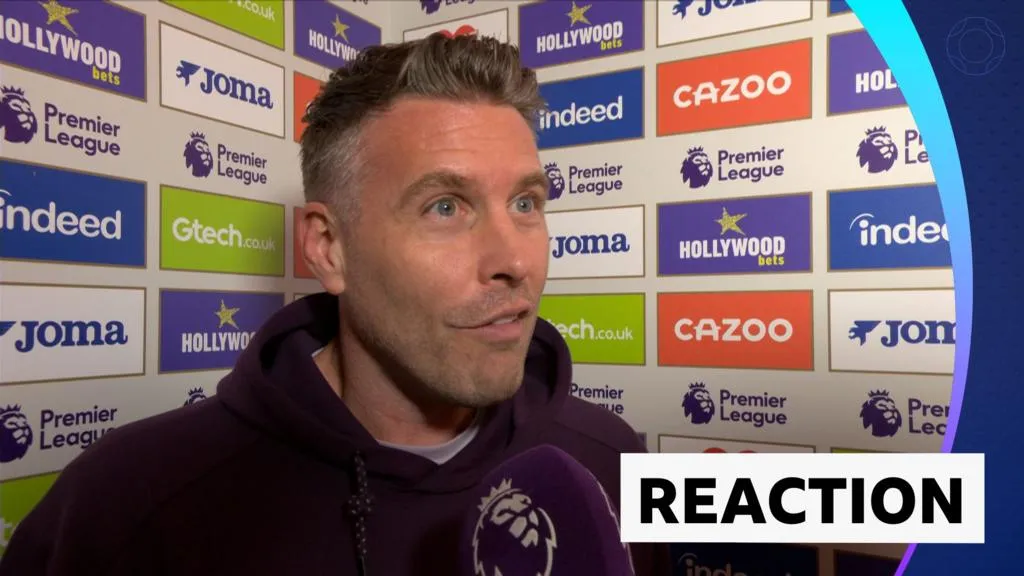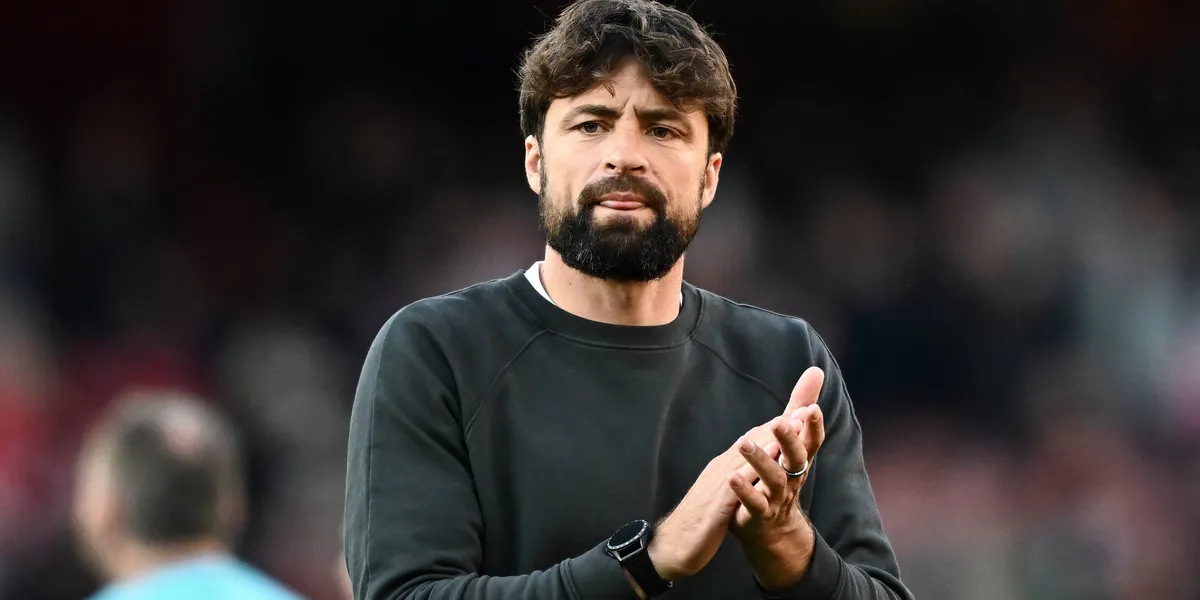
Who is involved
Russell Martin, a former player turned coach, took the helm at Rangers amid high expectations. The club, one of the most storied in Scottish football, had aspirations of reclaiming its dominance in the Scottish Premiership. However, Martin’s tenure was fraught with challenges from the outset, as he faced pressure to deliver results quickly in a competitive environment.
Before Martin’s appointment, Rangers were already struggling, but the hope was that his fresh perspective would reinvigorate the team. Unfortunately, the reality proved starkly different. Martin’s record during his time at the club was disappointing, with a win rate of just 29 percent. His team managed to secure only five wins, alongside six draws and six losses, leaving Rangers languishing in eighth place in the league.
The decisive moment came after a particularly disheartening 9-3 aggregate defeat to Club Brugge in the Champions League, which underscored the team’s struggles on the European stage. Following this, Martin’s last match in charge resulted in a draw against Falkirk, further sealing his fate as head coach. Just 123 days into his tenure, the club decided to part ways with him, highlighting the urgency for change in light of their poor performance.
The effects of Martin’s dismissal were immediate. Rangers, under his leadership, had fallen 11 points behind the title chasers, a gap that reflected the team’s inability to compete at the highest level. The decision to sack Martin was not taken lightly, but it was clear that the club needed to recalibrate its approach to avoid further decline.
In the aftermath of his departure, Martin acknowledged his shortcomings, stating, “It’s my fault I didn’t do well enough and you learn from it and I’ll be better for it, for sure.” His candid admission reflects the pressures faced by coaches in high-stakes environments, where performance is scrutinized relentlessly. Martin’s experience at Rangers serves as a reminder of the challenges inherent in football management, particularly in a club with such rich history and expectations.
Experts in sports management note that coaching changes often come as a last resort when teams are underperforming. The swift decision to relieve Martin of his duties illustrates the urgency felt by Rangers’ management to turn the season around. As clubs like Rangers navigate the complexities of competition, the balance between patience and accountability becomes crucial.
As Rangers look to the future, the focus will be on finding a coach who can restore confidence and drive the team back to the top of the league. Meanwhile, Martin’s brief tenure will be analyzed as a case study in the challenges faced by coaches in the modern game, where expectations can often outweigh the time afforded to implement change.