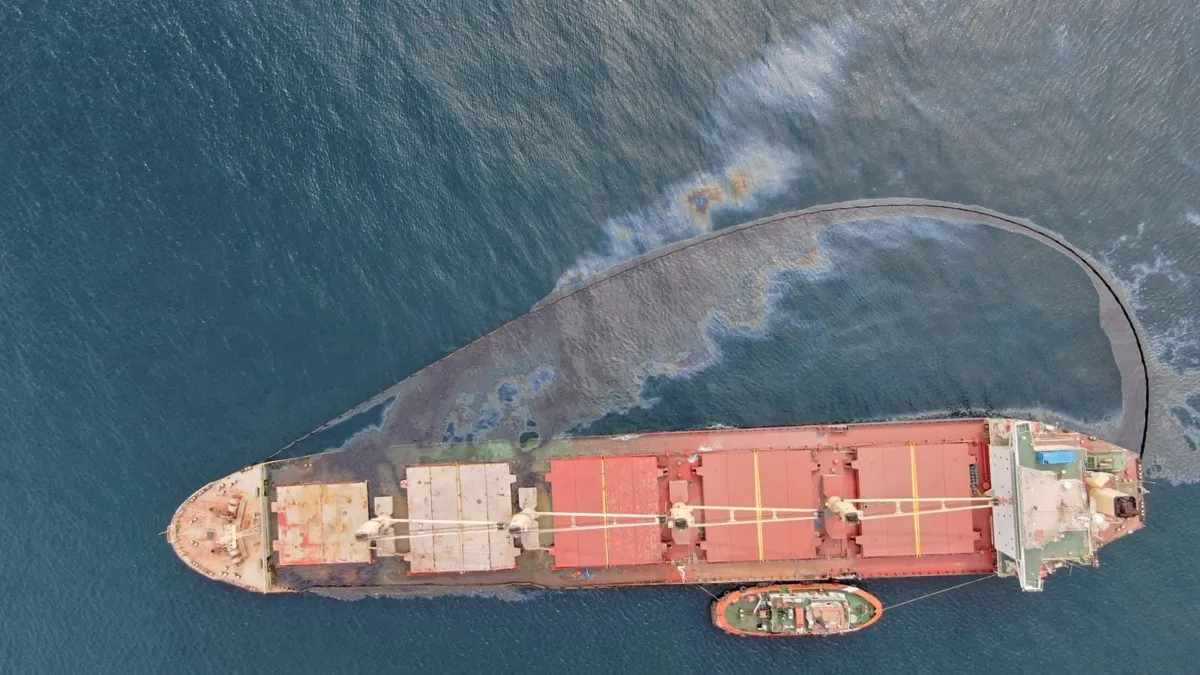
The U.S. has intensified its fuel embargo on Cuba, leading to a humanitarian crisis. In a significant development, a Russian oil tanker, the Anatoly Kolodkin, carrying between 700,000 and 730,000 barrels of crude oil, is approaching Cuba and is expected to arrive within the next six days.
This shipment comes at a critical time for Cuba, which has not received any fuel shipments for the past three months due to the U.S. fuel embargo. The U.S. Treasury Department recently amended a waiver to exclude shipments of sanctioned Russian oil to Cuba, raising questions about the implications of this delivery.
Cuban President Miguel Diaz-Canel has indicated that discussions with the U.S. are in the early stages, while Raul Castro is also involved in the talks. The situation remains tense, especially considering the U.S. has shipped approximately 30,000 barrels of fuel to Cuba’s private sector in 2026, which is a fraction of what is needed.
As the Sea Horse tanker was reported to have been drifting in the Atlantic before diverting toward Venezuela, observers are closely monitoring its progress. Jorge Piñón noted, “This morning — when I checked it; it was en route to Cuba.” This development raises further questions about U.S. responses should the tanker continue its journey.
Gregory Meeks stated, “Cuba is not for Donald Trump to take, and today we stand firm against the illegal use of the U.S. military to pursue turning Cuba into another playground for Trump’s chaotic adventurism.” This reflects the broader political tensions surrounding Cuba and its relationship with the U.S.
Details remain unconfirmed regarding what actions the U.S. will take if the tanker approaches Cuba. The focus remains on the ship’s steady advance — and the uncertainty that lies ahead, as officials and observers await further developments.