Reaction from the field
Simon Dudley was sacked from his position as housing spokesperson for Reform UK after making controversial comments regarding the Grenfell Tower fire. His remarks, which included the statement that “everyone dies in the end,” were met with widespread condemnation from families and survivors of the tragedy, who found them to be deeply insensitive and dehumanizing.
The Grenfell Tower fire, which occurred in 2017, resulted in the tragic loss of 72 lives and has since prompted significant scrutiny of fire safety regulations in the UK. Dudley acknowledged the fire as an “utter tragedy” but his subsequent comments sparked outrage, leading to calls for his dismissal from various political figures, including Labour leader Keir Starmer.
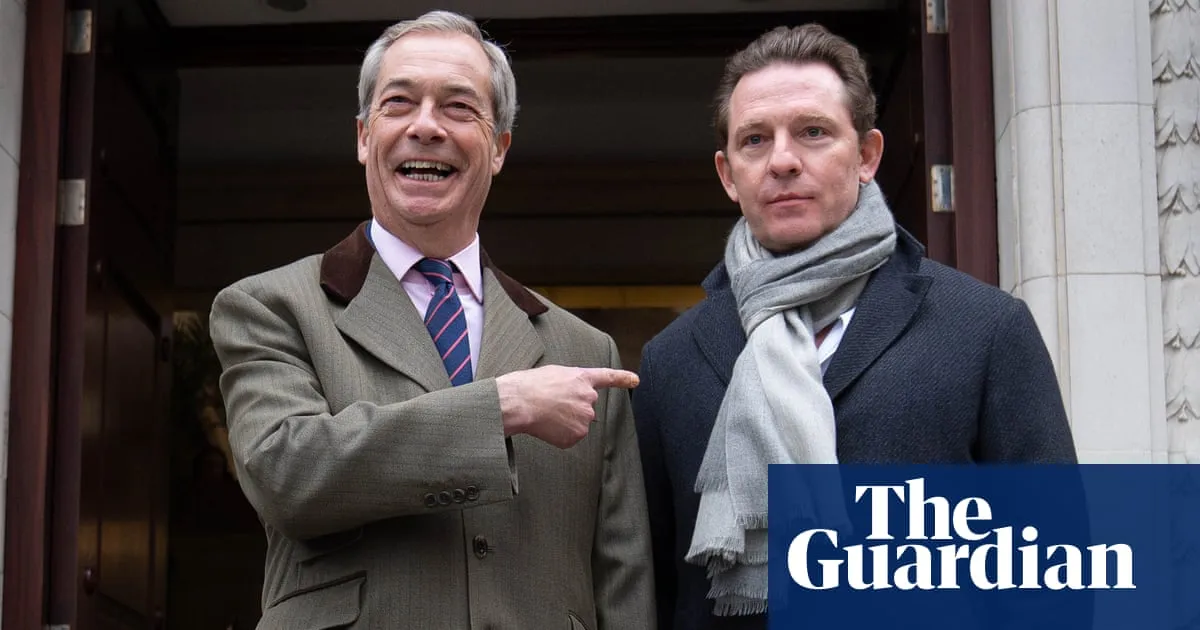
Nigel Farage, the leader of Reform UK, confirmed during a press conference that Dudley was “no longer a spokesman for the party.” He expressed that while Dudley has a commendable track record in housing development, his recent remarks were hurtful and insulting to many affected by the Grenfell disaster.
The Grenfell Tower Inquiry concluded that the fire was preventable, highlighting failures in safety protocols and regulations that contributed to the disaster. Dudley’s comments, juxtaposed with the inquiry’s findings, raised further questions about accountability and sensitivity in discussing such a significant national tragedy.
In the wake of Dudley’s comments, Grenfell United, a group representing the victims’ families, issued a statement emphasizing the importance of recognizing responsibility when discussing the fire. They remarked, “To speak about Grenfell in this way is to erase responsibility,” underscoring the need for continued vigilance in fire safety and accountability.
While Dudley previously served as the leader of the Royal Borough of Windsor and Maidenhead, his recent remarks have overshadowed his political career and raised concerns about the rhetoric used by public figures when addressing sensitive issues. The backlash he faced reflects a broader societal expectation for empathy and responsibility in political discourse.
As the political landscape continues to evolve, the implications of Dudley’s comments and subsequent dismissal may resonate beyond his personal career, influencing how political parties approach sensitive topics in the future. Details remain unconfirmed regarding any further actions or statements from Dudley or Reform UK.