How it unfolded
St Patrick, the figure celebrated on March 17 each year, was born in Roman Britain around the year 387. His early life took a dramatic turn when he was kidnapped by Irish raiders at the age of 16 and taken to Ireland as a slave. This event marked the beginning of a significant transformation in his life.
During his six years in captivity, Patrick endured hardship but also experienced a profound spiritual awakening. He later recounted, “As a youth, indeed almost a boy without any beard, I was taken captive.” This period of suffering ultimately led to his escape and return to Britain, where he began to prepare for a life dedicated to Christianity.
After becoming a bishop, Patrick felt a calling to return to Ireland. His mission was clear: to spread Christianity among the Irish people. He is recognized as the Apostle of Ireland, and his efforts were instrumental in converting many to the faith. His teachings often included the use of the shamrock, which he used to explain the concept of the Holy Trinity.
St Patrick’s influence extended beyond his lifetime, with his writings, including the Confessio and the Epistula, providing insight into his thoughts and experiences. He is believed to have died in the mid-5th century, leaving behind a legacy that would shape Irish identity and culture.
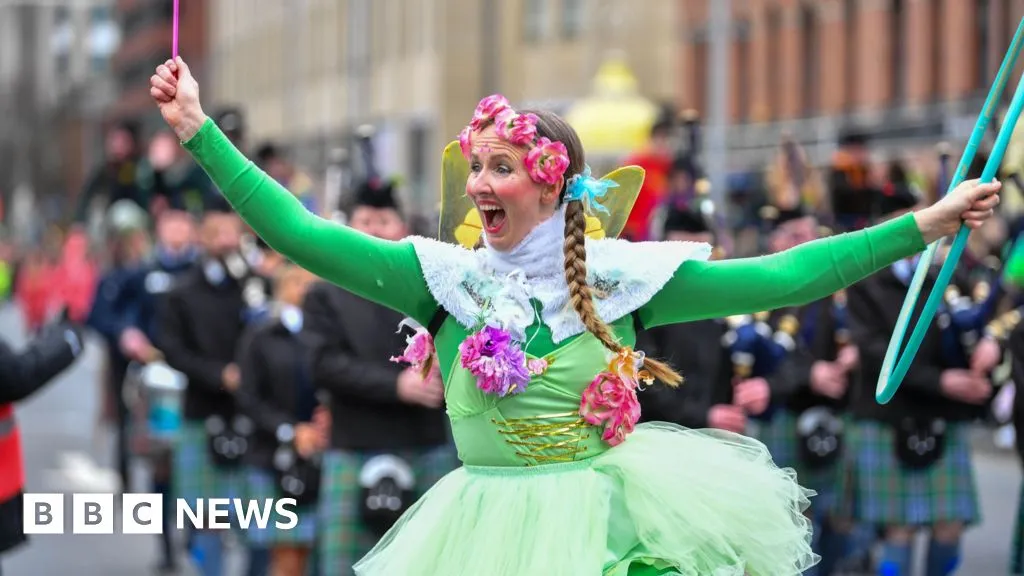
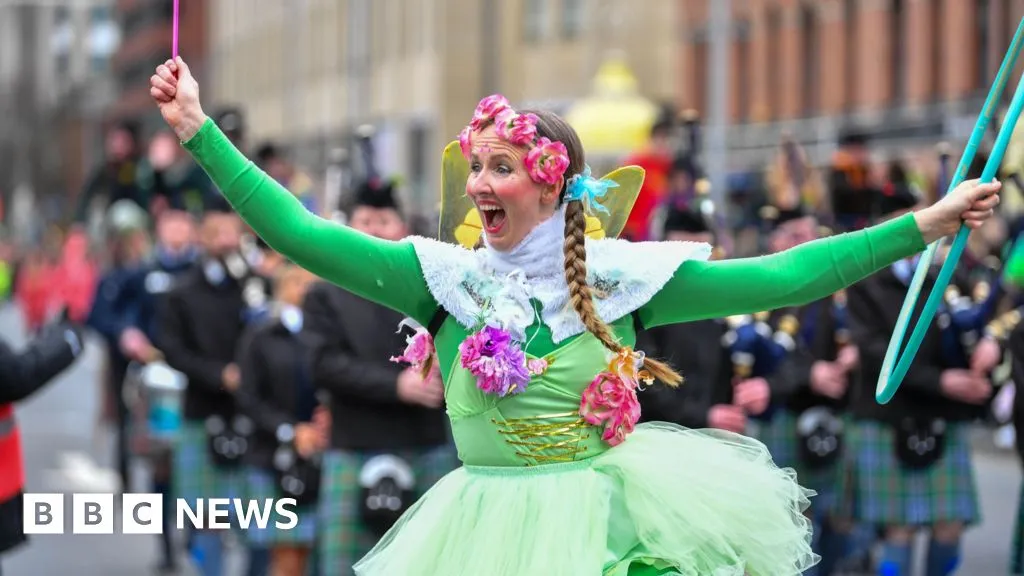
The celebration of St Patrick’s Day has evolved significantly over the centuries. The first recorded St Patrick’s Day parade took place in 1762 in New York, showcasing the growing influence of Irish immigrants in America. Today, the day is marked by festivities around the world, highlighting Irish heritage and culture.
Despite his significant impact, it is noteworthy that St Patrick was never formally canonized by the Catholic Church. Nevertheless, he is celebrated widely, and a stone slab inscribed with ‘Patric’ is believed to mark his final resting place, further cementing his legacy in Irish history.
As we approach March 17, the feast day of St Patrick, it is essential to reflect on his life story, which encompasses themes of radical conversion and suffering. His journey from captivity to becoming a revered figure in Christianity serves as an inspiration for many. The ongoing celebrations and remembrances of St Patrick underscore the enduring significance of his contributions to Ireland and beyond.