The numbers
The ongoing conflict surrounding the Strait of Hormuz has reached a critical juncture as U.S. President Donald Trump warned that Iran’s recent ceasefire proposal is insufficient to avert threats against its infrastructure. Trump emphasized that the proposal must lead to the reopening of the Strait of Hormuz, a vital passageway through which 20 percent of the world’s oil supplies flow. He set a final deadline for Iran to agree to a deal by 8 PM Washington time on Tuesday, indicating the urgency of the situation.
Iran’s leadership has firmly rejected the proposed temporary ceasefire, instead advocating for a permanent end to hostilities. The Iranian proposal includes ten clauses aimed at addressing regional conflicts and establishing protocols for safe passage through the Strait of Hormuz. Mojtaba Ferdousi Pour, an Iranian military spokesperson, stated, “We won’t merely accept a ceasefire,” highlighting Iran’s stance on the necessity of a more comprehensive agreement.
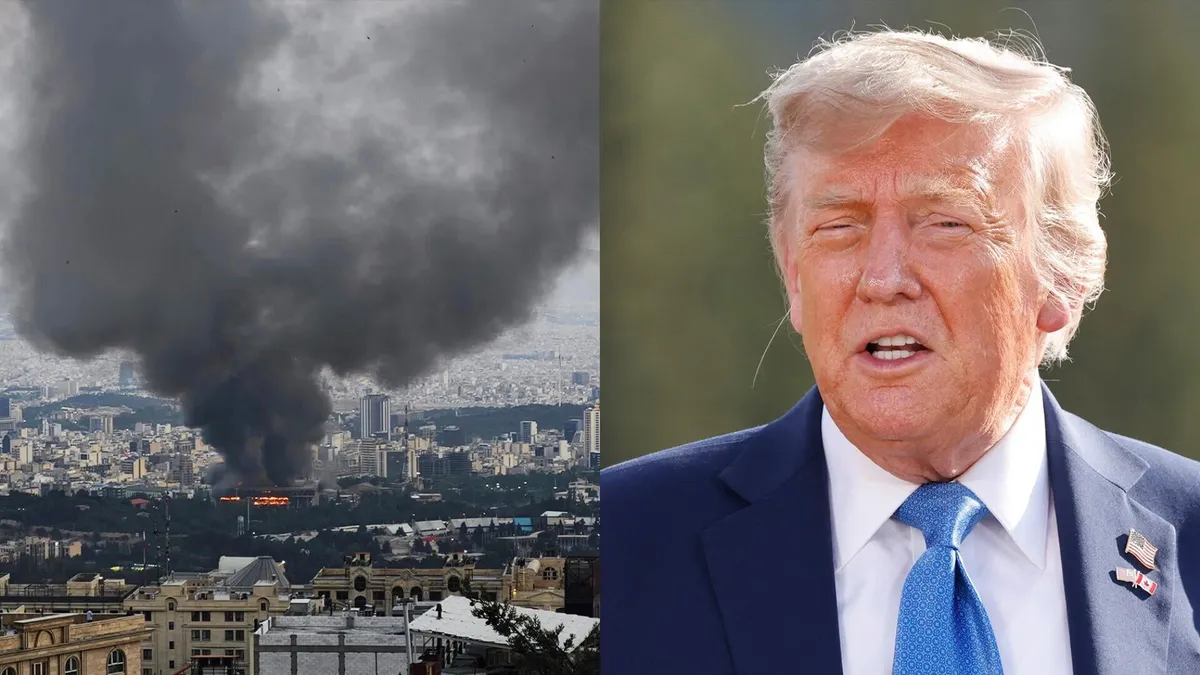
In a significant escalation, Trump threatened to bomb Iran “back to the stone ages” unless a deal is reached, further intensifying the rhetoric between the two nations. The White House has confirmed that while the ceasefire proposal is under consideration, Trump has not yet signed off on it. Observers note that Iran’s military has dismissed Trump’s warnings as “delusional,” criticizing his threats as baseless.
The backdrop to these developments is a conflict that ignited on February 28, following Israeli and U.S. attacks against Iran. This escalation has led to heightened military tensions in the region, with Iran’s leadership currently reviewing a plan for an immediate pause in hostilities that was sent by Pakistan. The proposal for a final agreement reportedly includes Iran’s commitment to forgo the development of nuclear weapons in exchange for relief from sanctions.
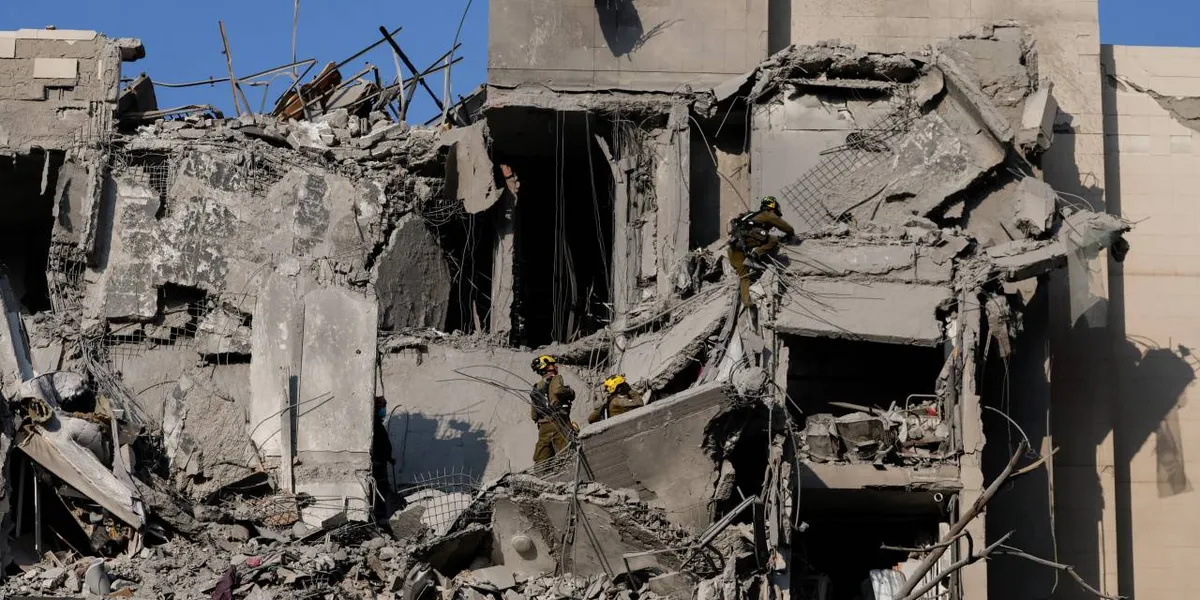
As the situation unfolds, Amnesty International has raised alarms over potential war crimes, warning that attacks on civilian infrastructure could have dire humanitarian consequences. The extent of the damage from recent Israeli strikes on a key petrochemical plant in Iran is still being assessed, adding to the uncertainty surrounding the conflict.
Details remain unconfirmed regarding whether Iran’s response to the ceasefire proposal will pave the way for a diplomatic resolution. The international community is closely monitoring the developments, particularly given the strategic importance of the Strait of Hormuz in global oil supply chains.
As the deadline approaches, the stakes remain high for both Iran and the United States, with observers anticipating further escalations or potential diplomatic breakthroughs in the coming days. The outcome of these negotiations could significantly impact regional stability and international relations in the Middle East.