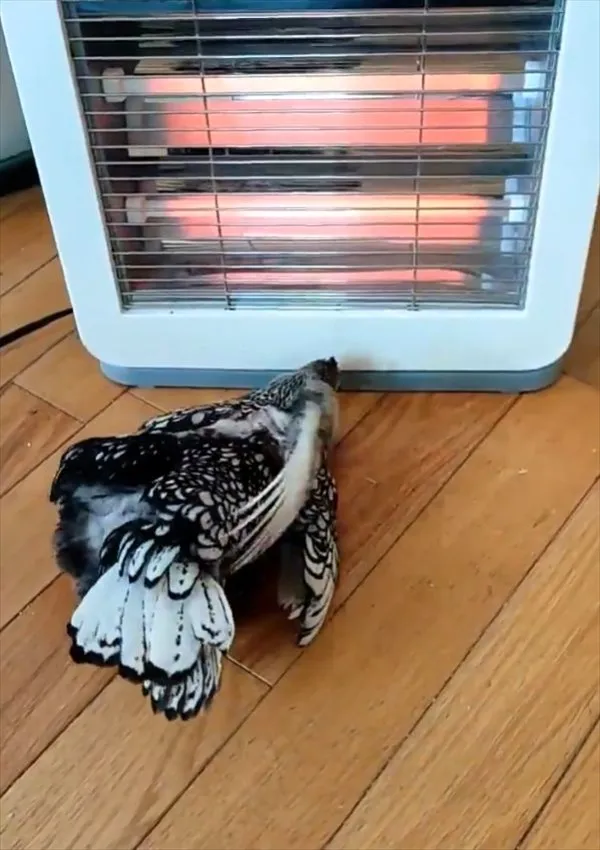
The chicken ick phenomenon has recently gained attention, particularly on social media platforms like TikTok. Previously, chicken was a staple in many diets, often enjoyed without hesitation. However, the emergence of this phenomenon has shifted perceptions dramatically.
Individuals now report experiencing a sudden feeling of disgust towards chicken, sometimes even mid-bite. This unexpected reaction has left many puzzled, as it contradicts the long-standing enjoyment of chicken as a meal choice.
Dr. Lorenzo Stafford, an associate professor in psychobiological psychology at the University of Portsmouth, notes that the disgust response can be triggered by various factors, including differences in taste, smell, or appearance of the food. This suggests that the chicken ick is not merely a whimsical trend but may have psychological underpinnings.
Moreover, emotional contagion plays a significant role in this phenomenon. As Dr. Stafford explains, “If you were scrolling on social media looking at unappetising meals before starting to cook your own meal, this can influence the way you subsequently feel about your own food.” This highlights how external influences can shape our perceptions of food.
The chicken ick is primarily associated with chicken dishes, leading to a wave of suggestions on how to combat this newfound aversion. One recommendation is to try different chicken recipes, which may help rekindle a positive association with the meat.
Another suggestion is to have someone else cook the chicken, potentially alleviating the negative feelings associated with preparing the meal oneself. Additionally, the phrase “there’s no ick in a veggie burger” has emerged as a humorous alternative for those looking to avoid the phenomenon altogether.
As the chicken ick continues to spread, it raises questions about the impact of social media on our eating habits and perceptions of food. The trend illustrates how quickly collective sentiments can shift, particularly in the realm of food.
While the chicken ick phenomenon is a new development in food culture, it serves as a reminder of the complex relationship between our emotions and what we eat. Details remain unconfirmed about the long-term effects of this trend on dietary choices.