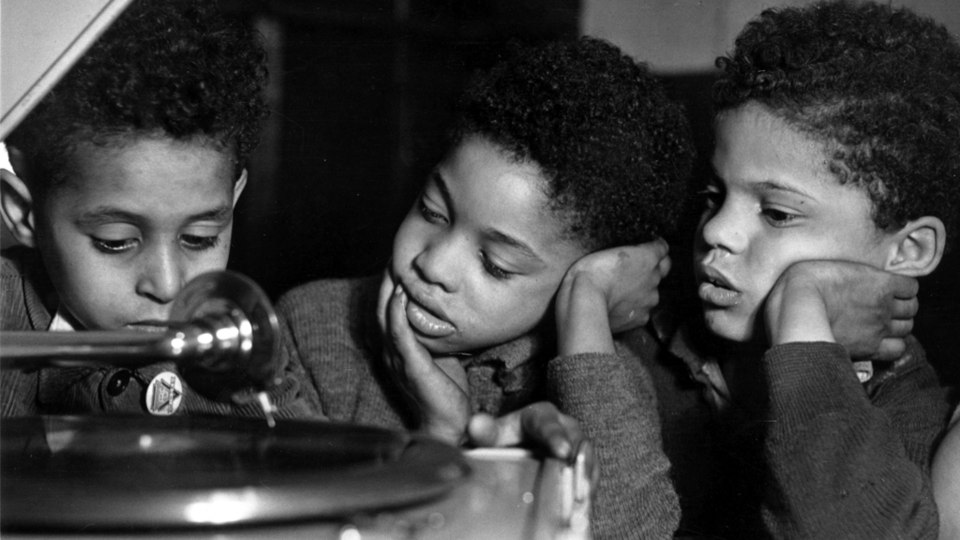
Introduction
Radio has long been a cornerstone of communication and entertainment, shaping the way we consume news and music since its inception in the early 20th century. Despite the rise of digital media and streaming services, radio continues to play a crucial role in our lives. Understanding its evolution and continued significance sheds light on its adaptability in an ever-changing landscape.
Historical Overview
The first successful radio transmission took place in 1906, heralding a new era for information dissemination. By the 1920s, radio had become a staple in households, providing real-time updates and entertainment to the masses. The introduction of FM radio in the late 1930s further enhanced audio quality, paving the way for a variety of programming formats, including talk shows, music stations, and news broadcasts.
Recent Developments
Fast forward to the 21st century, and radio has embraced technology with advancements such as digital radio and internet streaming. According to recent statistics from the UK government, around 89% of adults still tune into the radio each week, demonstrating that despite the multitude of choices available, radio holds an enduring appeal.
Moreover, the recent introduction of DAB (Digital Audio Broadcasting) has revolutionised listening experiences, with clearer sound quality and a wider range of stations. The BBC, for example, has expanded its offerings significantly, catering to diverse audiences with various interests and tastes, from news to niche music genres.
Impact of Podcasts
The explosion of podcasts in recent years has further integrated radio into contemporary media culture. With millions of active listeners, podcasts offer an innovative twist on traditional broadcasting, allowing for on-demand consumption. According to Ofcom, podcast listenership has surged, with nearly 30% of UK adults reporting they have listened to a podcast in the past month. This trend has led many radio stations to create their own podcast content, thus blending traditional radio with modern preferences.
Conclusion
In conclusion, while radio has faced numerous challenges over the decades, including competition from television and online streaming platforms, it has adapted and evolved rather than faded away. The predictions suggest that radio will continue to thrive by merging traditional and digital formats. As it pushes into new territories like podcasting and interactive formats, radio demonstrates its lasting importance in shaping public discourse and culture. For many, it remains a trusted source of information and entertainment, ensuring its place in modern media for years to come.