Introduction
Verdun, a small town in northeastern France, holds immense historical significance due to its role in World War I. The battle that took place here from February to December 1916 became one of the longest and costliest in modern warfare history. Scholars and historians regard the events at Verdun as a crucial point in understanding the devastation of the war and its broader implications for France and the world.
Historical Context
The Battle of Verdun was initiated by the German forces, who aimed to bleed France white by launching an offensive designed to capture the fortress city. German Chief of Staff Erich von Falkenhayn believed that a protracted and exhausting battle would demoralise French troops and weaken French resolve. The motto “They shall not pass” became a rallying cry for French soldiers, symbolising their determination to defend their homeland at any cost.
The Course of the Battle
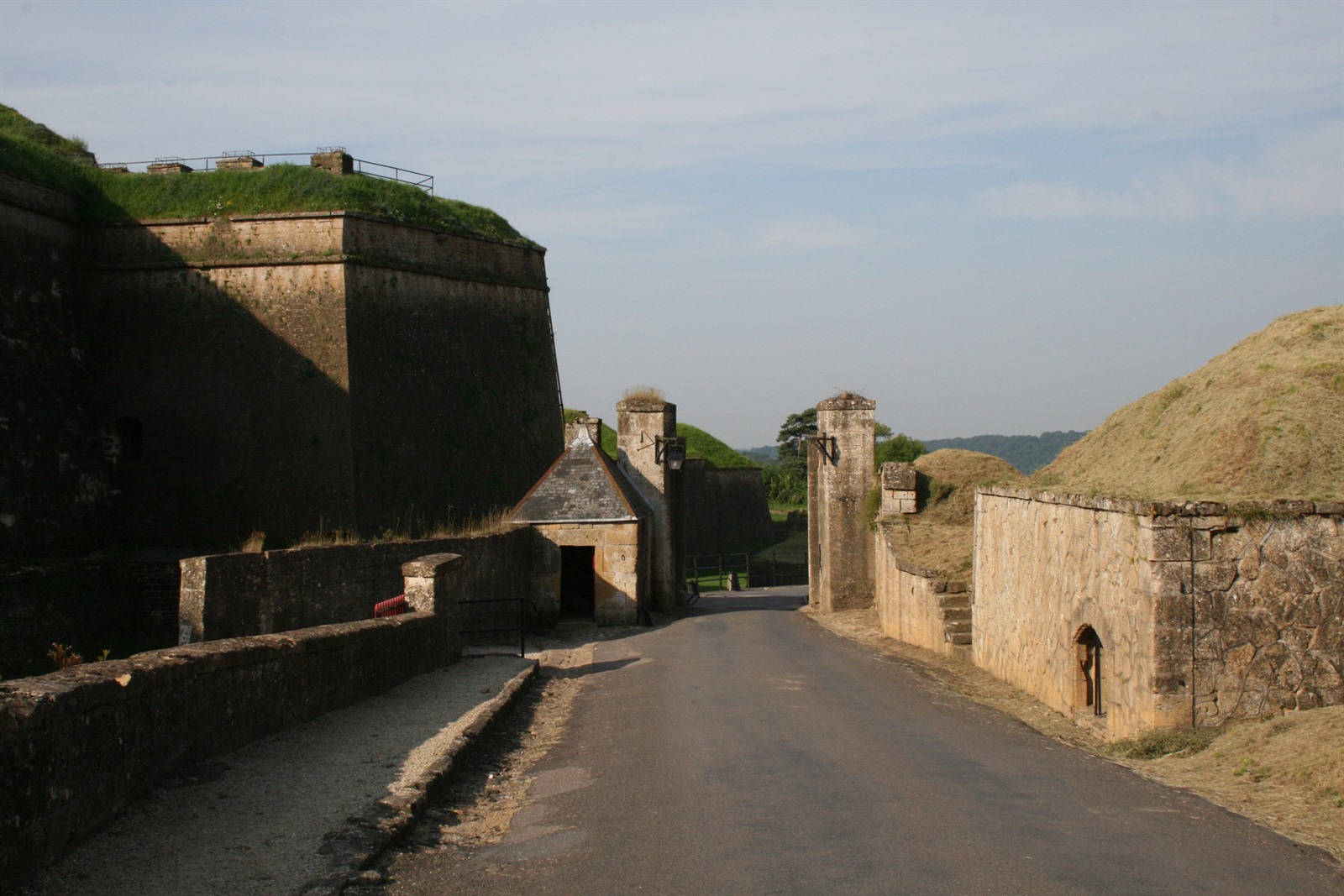
The battle for Verdun raged on for almost a year, characterised by brutal trench warfare. It is estimated that there were over 700,000 casualties, with a staggering number of soldiers injured or killed on both sides. Key locations during the battle included Fort Douaumont and Fort Vaux, which changed hands multiple times throughout the conflict. The French forces, under the leadership of General Philippe Pétain, ultimately managed to hold Verdun, bolstering French national pride.
Post-War Impact and Commemoration
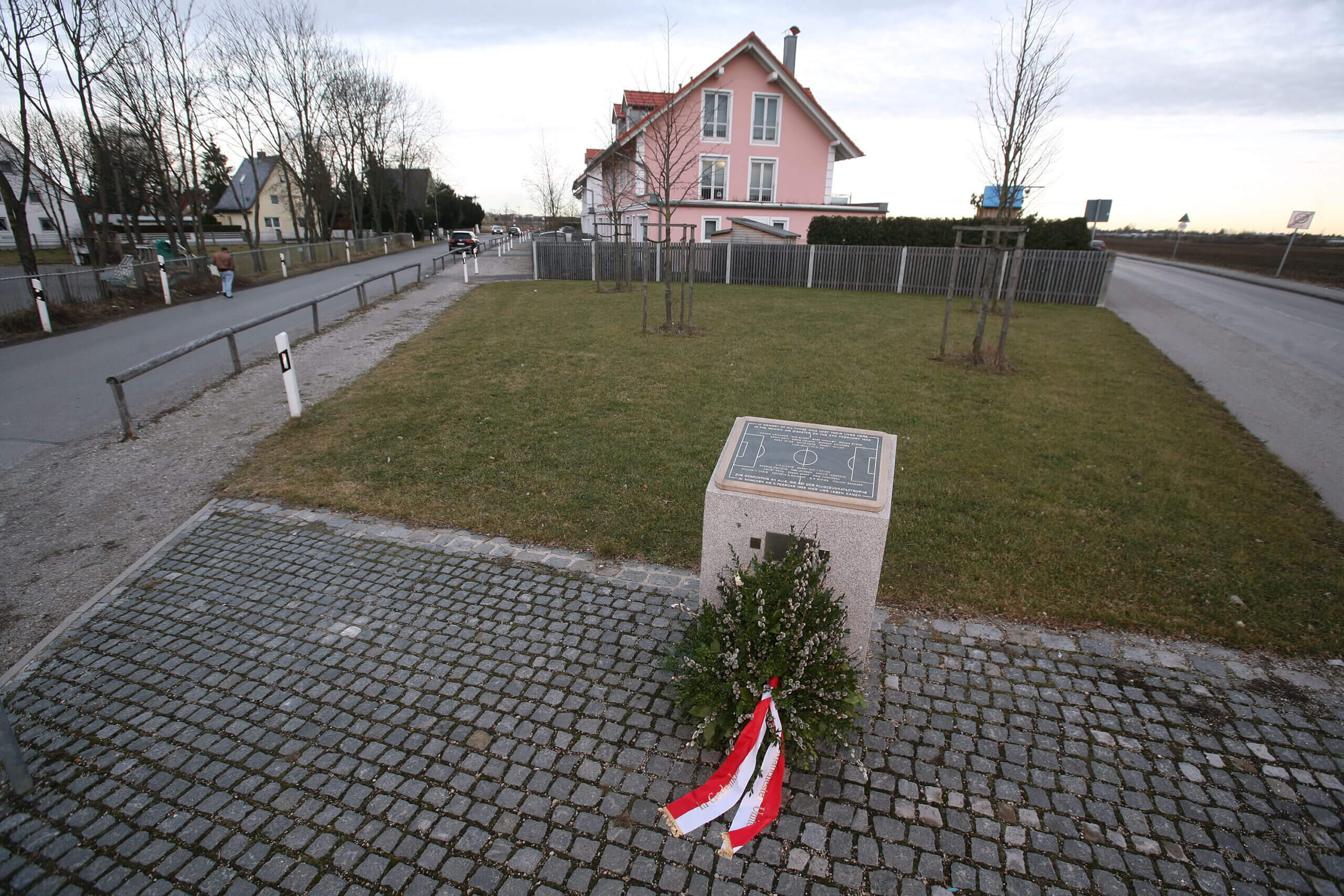
In the aftermath of World War I, Verdun became a symbol of French national unity and perseverance. The area is now home to several memorials and cemeteries commemorating those who fought and died in the battle. The Verdun Memorial, established in 1967, serves as a poignant reminder of the human cost of war and the importance of reconciliation in Europe.
Conclusion
Verdun’s legacy continues to resonate with subsequent generations as a symbol of sacrifice and endurance. The battle’s significance extends beyond the historical realm, reminding us of the horrors of war and the imperative of peace. In the contemporary context, Verdun serves as a place for reflection, ensuring that the lessons learned during that tumultuous time are never forgotten. As global tensions persist, the story of Verdun remains a critical reminder of the need for dialogue and diplomacy in resolving conflicts.