Introduction
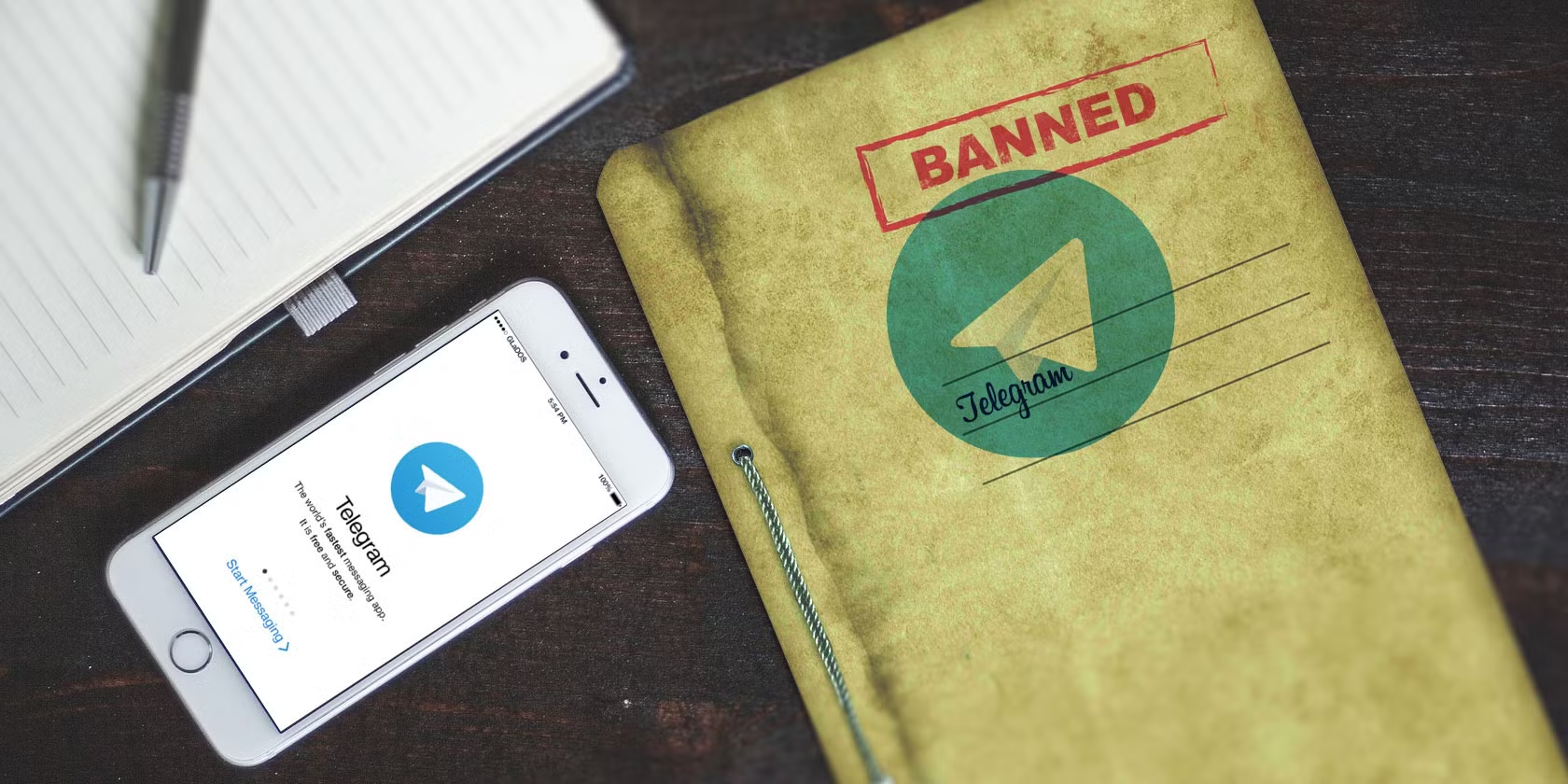
The recent ban on the messaging platform Telegram in Russia has sparked a considerable amount of discussion regarding digital communication, censorship, and free speech. With over 500 million users worldwide, Telegram serves as a vital medium for sharing information and connecting people, especially in politically sensitive environments. This ban not only affects how citizens communicate but also raises significant concerns about government control over the digital landscape.
Details of the Ban
The Russian government announced its decision to block Telegram’s access in response to the platform’s refusal to grant authorities access to users’ private data. This comes in the wake of escalating tensions between the Kremlin and various social media platforms, which have been accused of facilitating dissent and unrest. The authorities argue that access to private communications is crucial for national security, yet critics warn that such measures undermine democratic values and individual rights.
Reactions and Backlash
The ban has been met with widespread opposition, both domestically and internationally. Within Russia, many citizens have turned to Virtual Private Networks (VPNs) to bypass the restrictions, highlighting a growing trend of digital defiance. Activists and human rights organisations have condemned the government’s actions, describing the ban as a direct attack on freedom of expression. Outside of Russia, foreign governments and digital rights groups have voiced their concerns, urging the Kremlin to reconsider its stance on digital censorship.
Effects on Communication
The blocking of Telegram has substantial implications for both the Russian populace and the global community. It disrupts channels of communication that are crucial for activists, journalists, and ordinary citizens seeking to share information freely. Additionally, the ban sends a worrisome signal to other countries contemplating similar measures, raising fears of a domino effect in regions where authoritarian governments seek to tighten control over digital platforms.
Conclusion
The Russia Telegram ban exemplifies the ongoing struggle between state authority and the right to free speech in the digital age. As technology continues to evolve, so too does the landscape of communication, making it essential for civil society to remain vigilant against encroachments on digital freedoms. The situation will likely evolve, with predictions of increased censorship measures in Russia and potential impacts on global policy regarding digital communication platforms. The international community must remain engaged to support freedom of expression and resist authoritarian practices in the digital domain.