Introduction
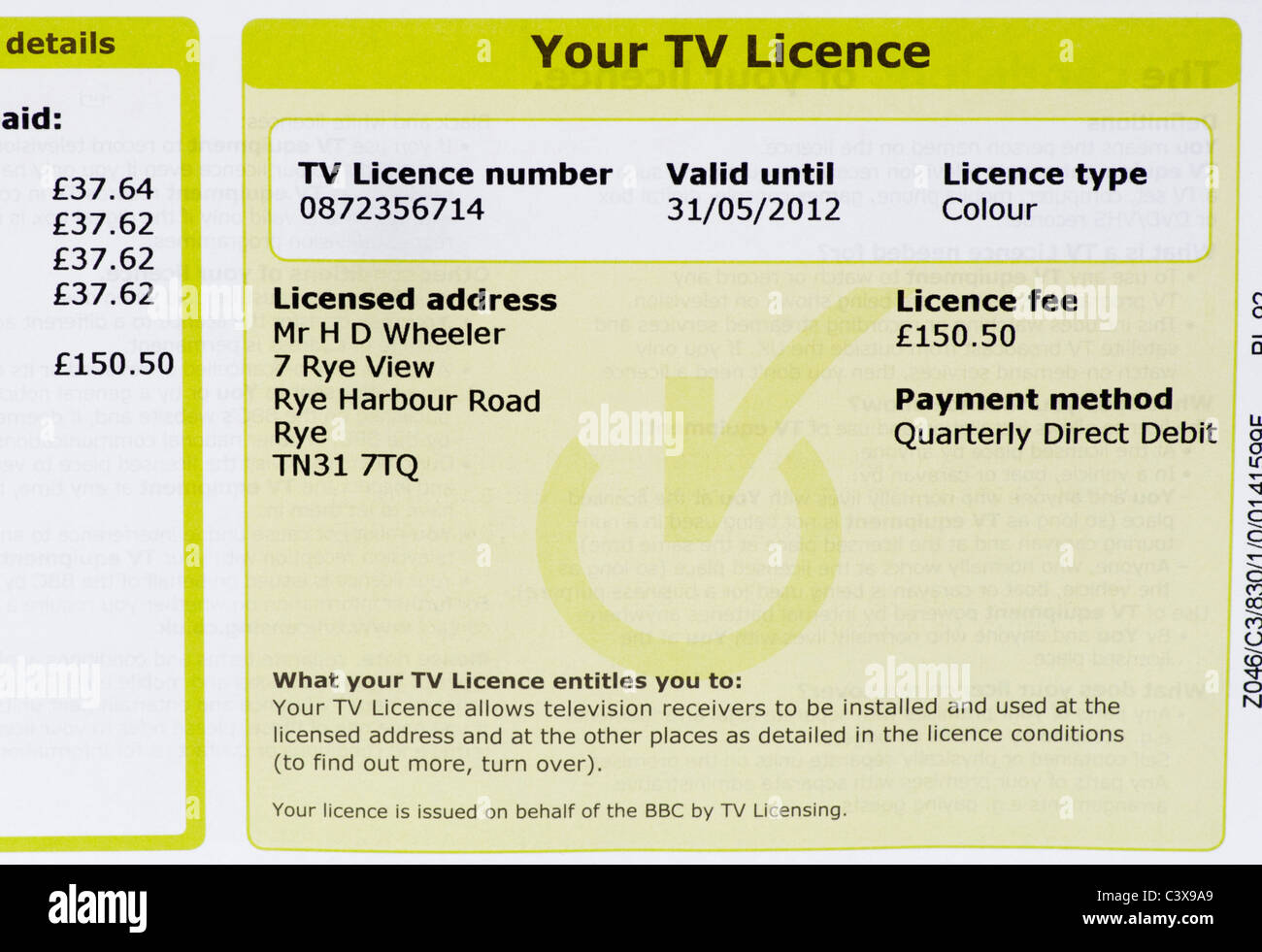
The TV Licence is a crucial requirement for residents in the United Kingdom who wish to watch or record live television broadcasts or use the BBC iPlayer. Currently costing £159 per year for a colour licence, this fee funds the operations of the BBC, ensuring that it can provide a wide range of programming without relying on commercial advertising. As changes in viewing habits continue to evolve, the relevance of the TV Licence remains a hot topic among policymakers and the public alike.
Recent Developments
In recent months, the UK government has grappled with how to reform the TV Licence system. Discussions surrounding the fairness of the licence fee, particularly in the context of increasing usage of streaming services, have become prominent. According to a survey conducted by Ofcom, approximately 72% of households now subscribe to at least one streaming service, leading to questions about the continued necessity of the licence fee.
Furthermore, in August 2023, BBC Director-General Tim Davie addressed the pressing issue of financing the BBC in a public statement. He emphasised that the current funding model faces significant challenges due to changing viewer preferences, potentially leading to cuts in programming if the system of funding remains unchanged. There is growing pressure on the UK government to reconsider how the BBC is funded, which might include modernising the TV Licence approach or even abolishing it altogether.
Implications for Broadcasters and Viewers
The ongoing debate surrounding the TV Licence carries significant implications for both broadcasters and viewers. For the BBC, a stable funding model is essential to maintain its independence and continue producing high-quality content. For viewers, the question remains whether they want to continue funding public service broadcasting through a licence fee or instead shift towards a model that reflects the growing demand for on-demand content.
In light of this debate, it is imperative for viewers to stay informed about how potential changes to the TV Licence might affect their viewing habits and financial obligations. The discussions around the future of broadcasting in the UK may result in more flexible regulations or alternative funding methods that could redefine how audiences consume media.
Conclusion
As the landscape of television continues to evolve, so too does the discussion surrounding the TV Licence. While it serves an important role in funding public broadcasting, there is a strong push for reform that reflects contemporary viewing preferences. Stakeholders in the broadcasting sector must navigate these changing times with a clear understanding of the implications for both production and consumption. As forecasts predict further shifts in media consumption, the future of the TV Licence remains uncertain, leaving both the BBC and viewers awaiting clarity on this critical subject.