Introduction
Wuthering Heights, the only novel by Emily Brontë, published in 1847, remains a cornerstone of English literature. Its exploration of complex themes such as love, revenge, and social class has captivated readers for generations. The novel’s unique narrative structure and deep character development mark it as a pioneering work that continues to influence writers and resonate with readers across various cultures.
Plot Overview
The story unfolds on the bleak Yorkshire moors, chronicling the tumultuous relationship between Heathcliff and Catherine Earnshaw. After being adopted by the Earnshaw family, Heathcliff grows up alongside Catherine, but their bond is shattered when she chooses to marry Edgar Linton. Consumed by jealousy and heartbreak, Heathcliff embarks on a path of vengeance that impacts the lives of everyone around him, including his and Catherine’s children. The tale, narrated through multiple perspectives, invites readers to question the reliability of memory and the nature of love.
Literary Significance
Wuthering Heights is often described as one of the first psychological novels due to its deep exploration of character motives and emotions. Brontë’s innovative use of a framed narrative—with Mr. Lockwood and Nelly Dean recounting the events—adds layers of complexity, making the reader ponder the reliability of those narrating the story. The novel also defies Victorian conventions by presenting passionate and destructive love, challenging societal norms regarding relationships and morality.
Influence and Adaptations
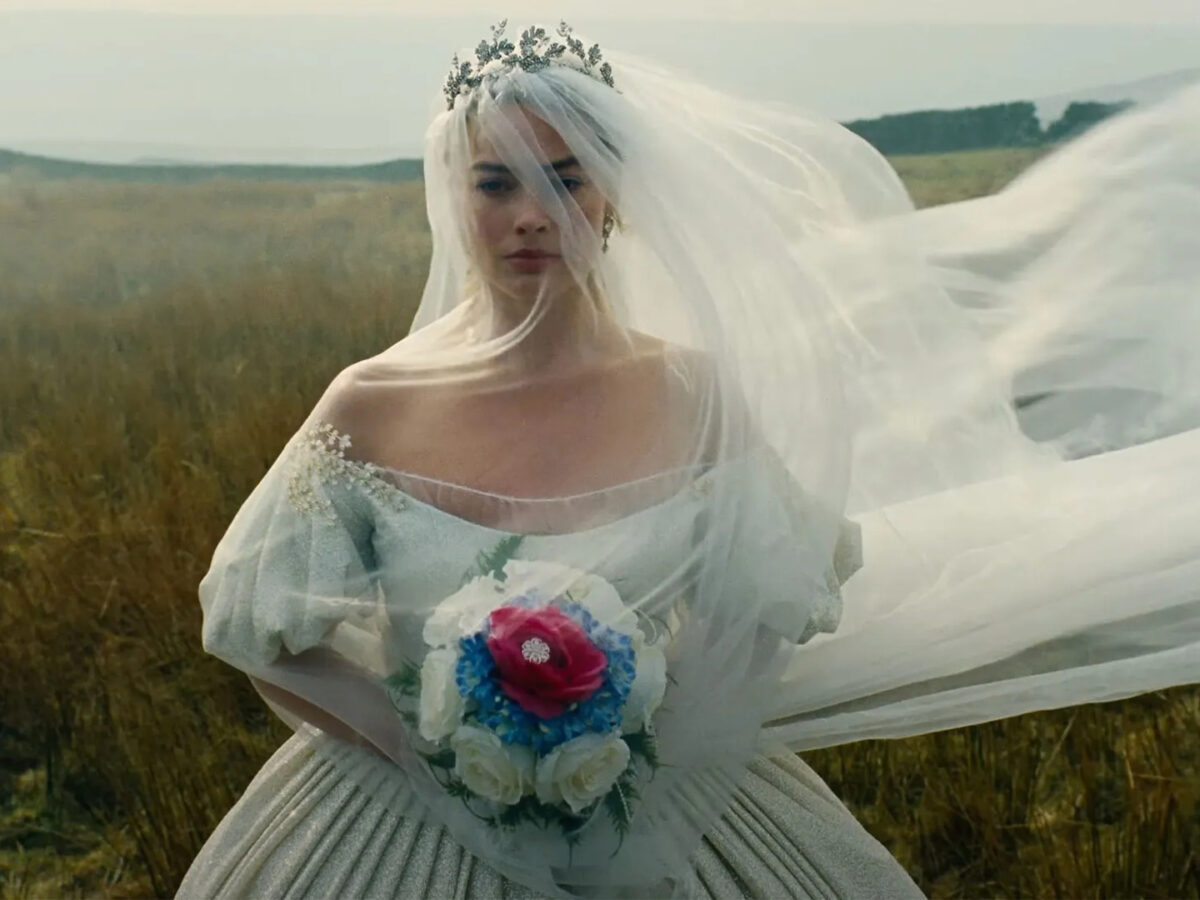
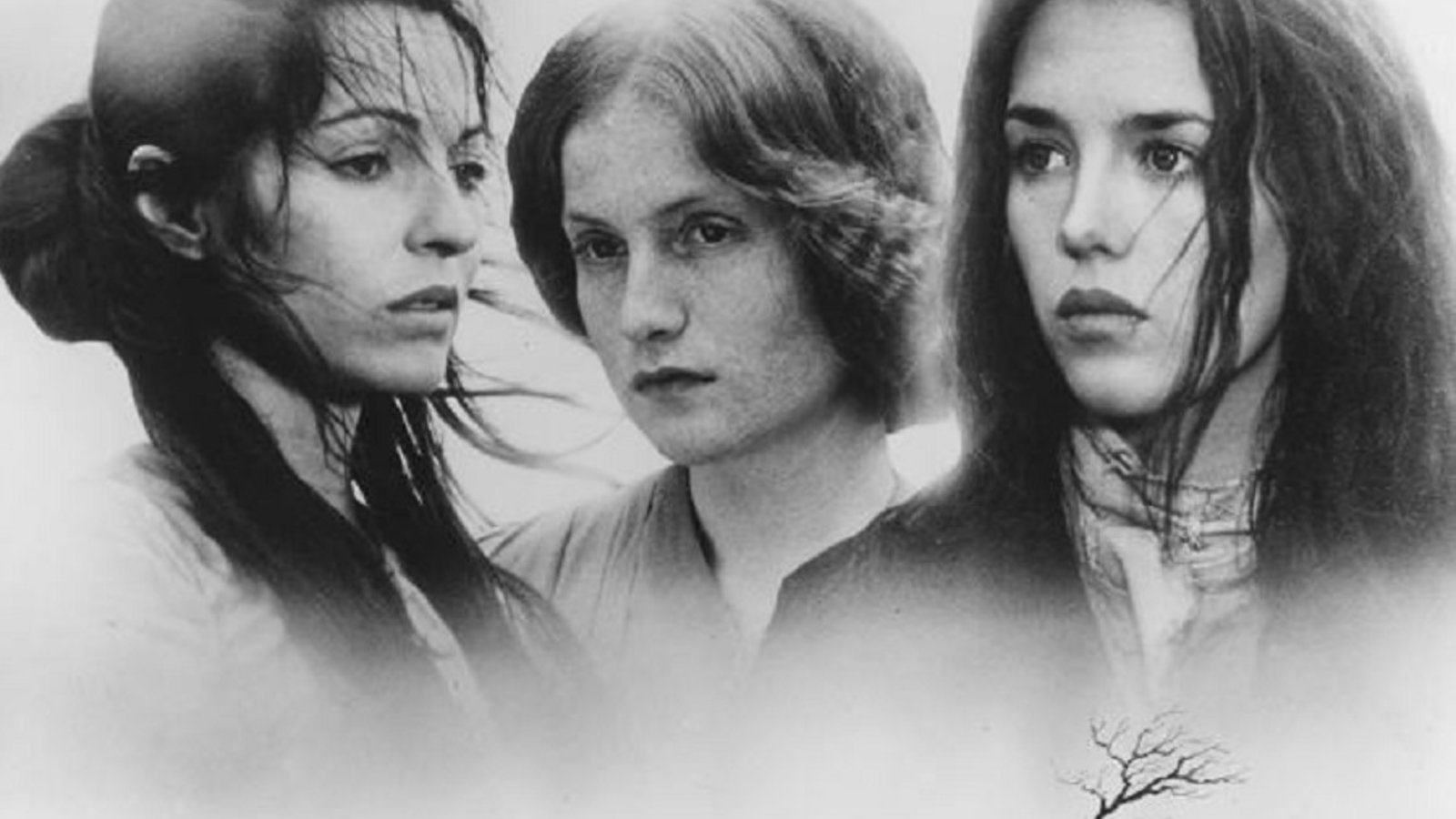
Since its publication, Wuthering Heights has undergone numerous adaptations, including films, stage productions, and even operas. Its themes have inspired countless authors, from Virginia Woolf to modern-day writers who draw on its motifs of isolation and obsession. At the same time, adaptations have allowed new generations to experience Brontë’s unique narrative, enhancing its cultural relevance. Recent film adaptations continue to reflect the novel’s dark romanticism, ensuring its place in popular culture.
Conclusion
Wuthering Heights remains a vital piece of literary history, serving as both a reflection of human emotion and a critique of societal structures. As readers confront the characters’ intricacies and the harsh Yorkshire setting, they are invited to delve into the complexities of love and revenge. Looking ahead, Brontë’s work will undoubtedly continue to resonate, inviting further interpretation and discussion in literature classes and book clubs around the world. Its universal themes ensure that Wuthering Heights will endure in the hearts of readers, sparking conversations about the nature of love and the consequences of passion.