The recent Trump Iran talks held in Islamabad have raised critical questions about the future of US-Iran relations and the potential for peace in the region. These negotiations, which took place during a temporary ceasefire, represent the highest level of American contact with Iran since the 1979 Islamic Revolution.
The US delegation, led by Vice President JD Vance and special envoy Steve Witkoff, proposed a 15-point plan aimed at ending the ongoing conflict with Iran. In response, Iran’s foreign ministry described the talks as ‘intensive,’ highlighting the seriousness of the discussions. However, significant disagreements remain, as noted by JD Vance, who stated that the US ‘could not get to a situation where the Iranians were willing to accept our terms.’
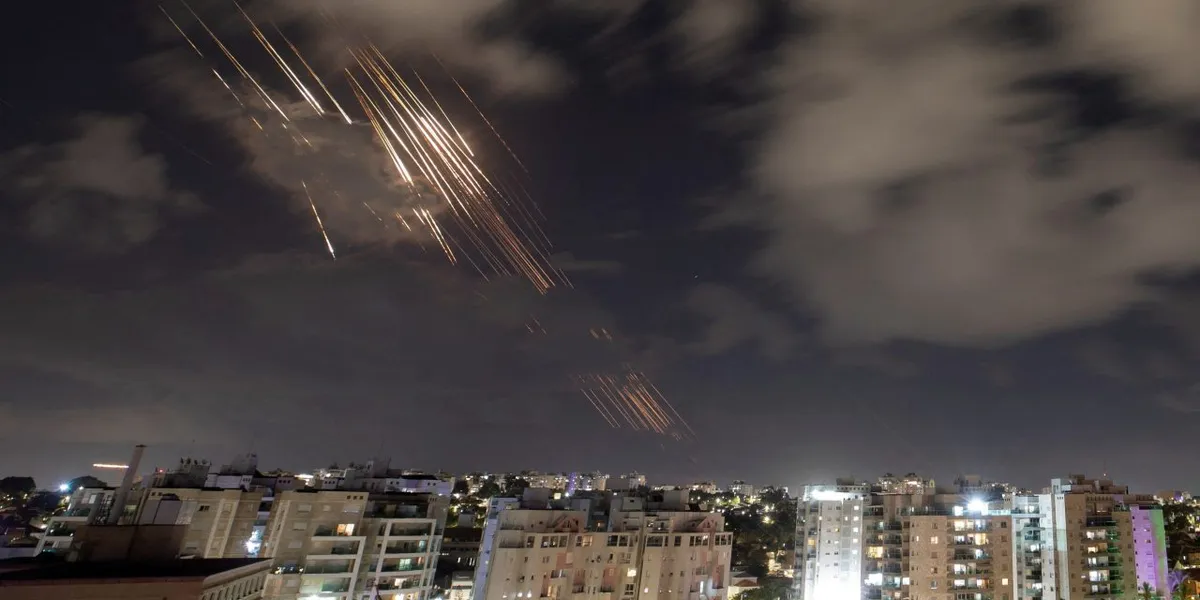
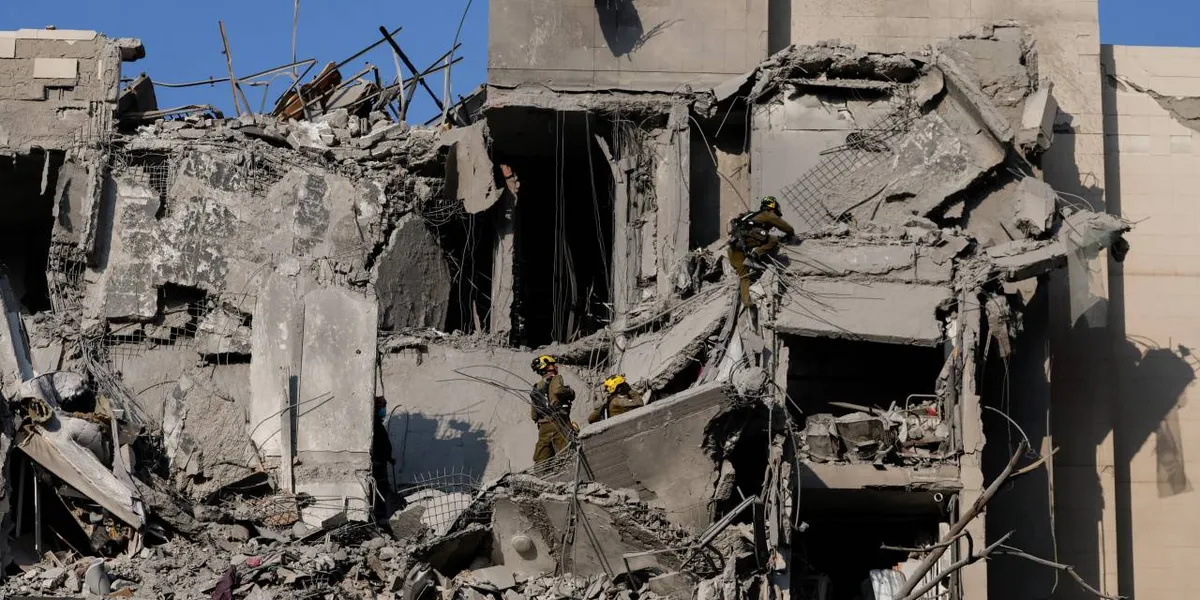
Iran’s delegation was led by parliamentary speaker Mohammad Bagher Ghalibaf, who expressed skepticism about the negotiations, stating, “Our experience in negotiating with the Americans has always been met with failure and broken promises.” This sentiment underscores the long-standing mistrust between the two nations, which has been exacerbated by recent military actions, including Israeli strikes in Lebanon that resulted in over 350 casualties.
During the talks, Iran emphasized that any agreement must include the unfreezing of sanctioned Iranian assets, a point that could complicate the negotiation process. The US military’s involvement in clearing the Strait of Hormuz of mines, a critical passage for global oil trade, adds another layer of complexity to the discussions. Approximately one-fifth of the world’s crude oil passes through this strategic waterway, making stability in the region essential.
As the negotiations unfolded, the atmosphere was described as cordial, with a Pakistani official noting, “I can say that discussions are moving positively and the overall atmosphere is cordial.” However, the outcome of these talks remains uncertain, with serious disagreements reported after the third round of negotiations.
Details remain unconfirmed regarding the exact terms of the US proposal and Iran’s response. The ongoing conflict in the region, including the total death toll from Israeli strikes reaching 2,000 since the war began, further complicates the landscape in which these talks are taking place.
As the world watches closely, the implications of the Trump Iran talks could have far-reaching consequences for peace efforts in Pakistan and the broader Middle East. The next steps in this diplomatic endeavor will be crucial in determining whether a lasting resolution can be achieved or if tensions will continue to escalate.