The Significance of Lunar New Year
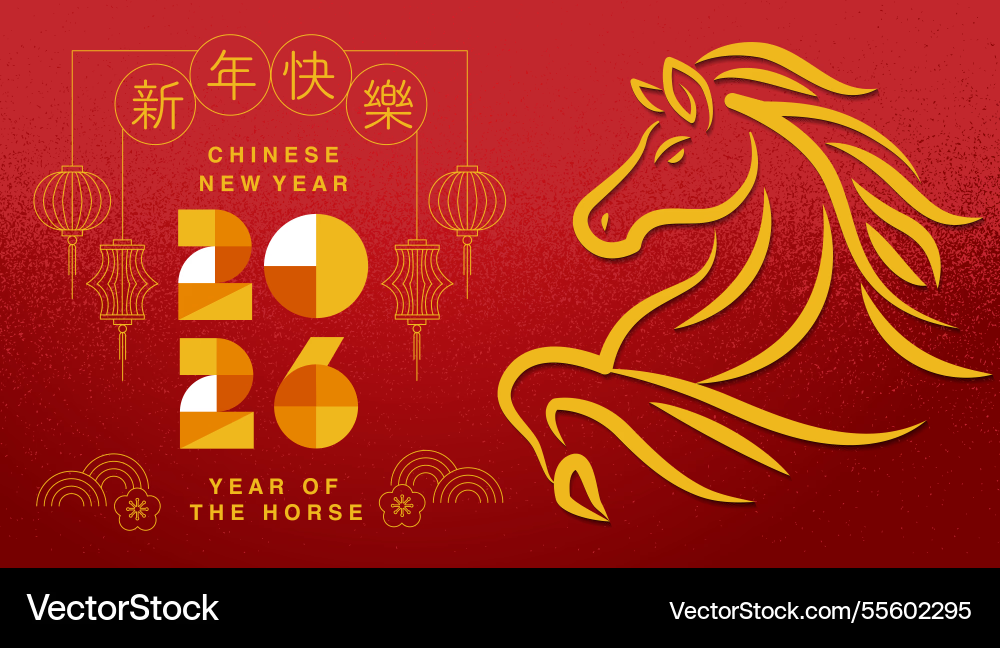
Lunar New Year, also known as Chinese New Year or Spring Festival, marks the first day of the lunar calendar and is celebrated by millions worldwide. The day typically falls between January 21 and February 20, depending on the lunar cycle. This festival holds great cultural importance, symbolising renewal, family unity, and the ushering in of prosperity for the coming year.
Celebrations Around the World
Lunar New Year is observed not only in China but also in various countries including Vietnam, Korea, and Singapore, each adding their unique practices to the celebration. In Vietnam, for example, the festival is known as Tết, and it features family gatherings and traditional foods such as Bánh Chưng. Similarly, in South Korea, the holiday is celebrated as Seollal, where families perform ancestral rites and indulge in traditional dishes like Tteokguk.
Traditions and Customs
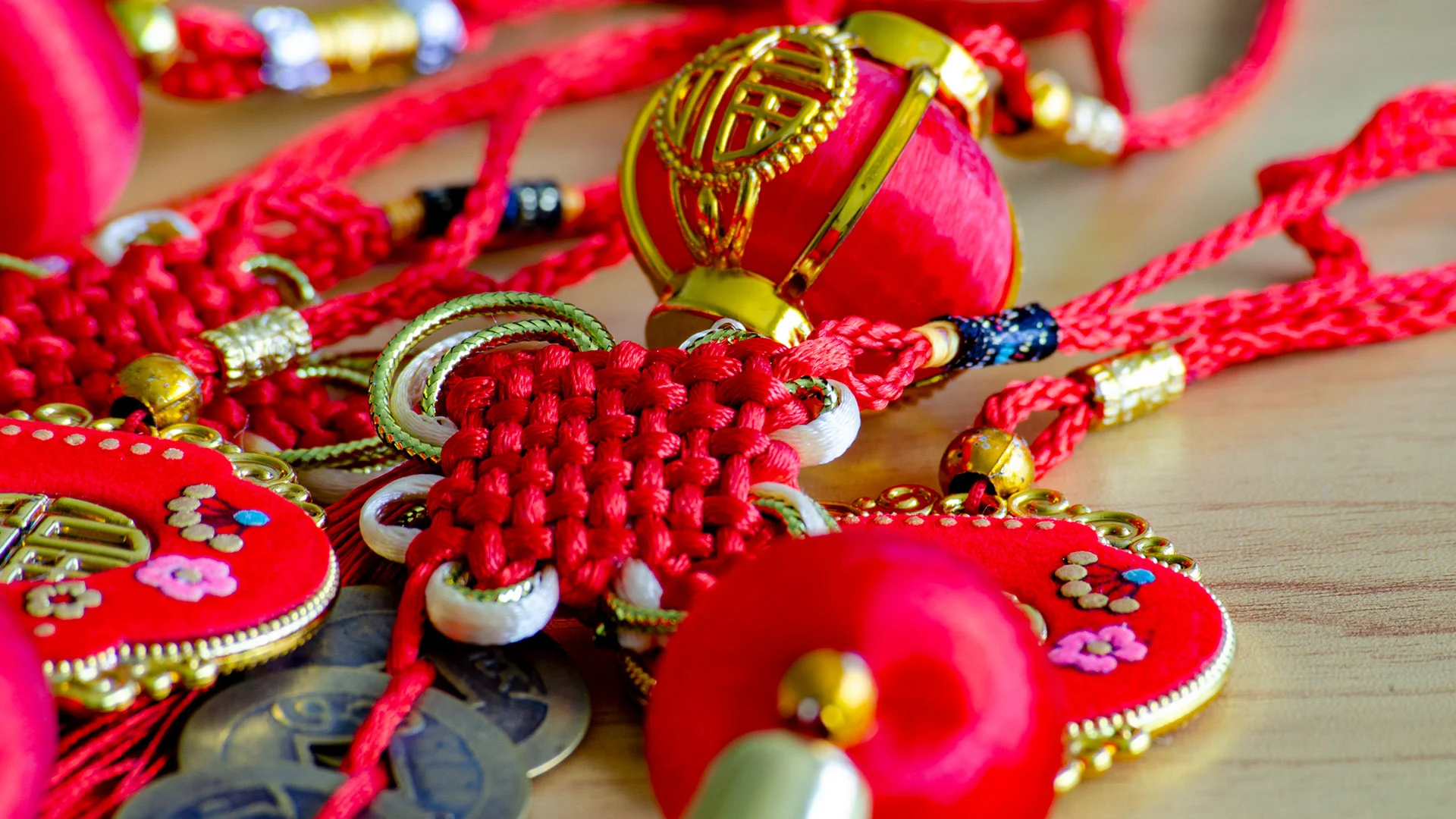
Common customs during the Lunar New Year include family reunions, elaborate feasts, and the giving of red envelopes filled with money, known as Hongbao or Li Xi. These gestures symbolize good luck and the hope for prosperity. Homes are often cleaned and decorated with red banners and lanterns to ward off evil spirits and invite good fortune. Fireworks illuminate the skies as part of the celebrations, historically believed to scare away malevolent beings.
The Economic Impact
The Lunar New Year significantly influences economies, especially in Asia. In 2023, China experienced a post-COVID travel surge, with millions returning to their hometowns for family reunions. This migration boosts tourism and retail sectors, with significant spikes in spending observed during the festive season. Retail sales in China were projected to reach over 1 trillion yuan during the festivities.
Conclusion: A Global Celebration
The Lunar New Year is a vivid representation of diverse cultures and traditions that share a common theme of renewal and hope. As society becomes increasingly interconnected, the celebrations continue to evolve, with West adapting aspects of the holiday. In an ever-changing world, the Lunar New Year stands as a reminder of the importance of family, culture, and the ongoing hope for a prosperous year ahead, making it relevant not only for those who celebrate but also for a global audience.