Introduction
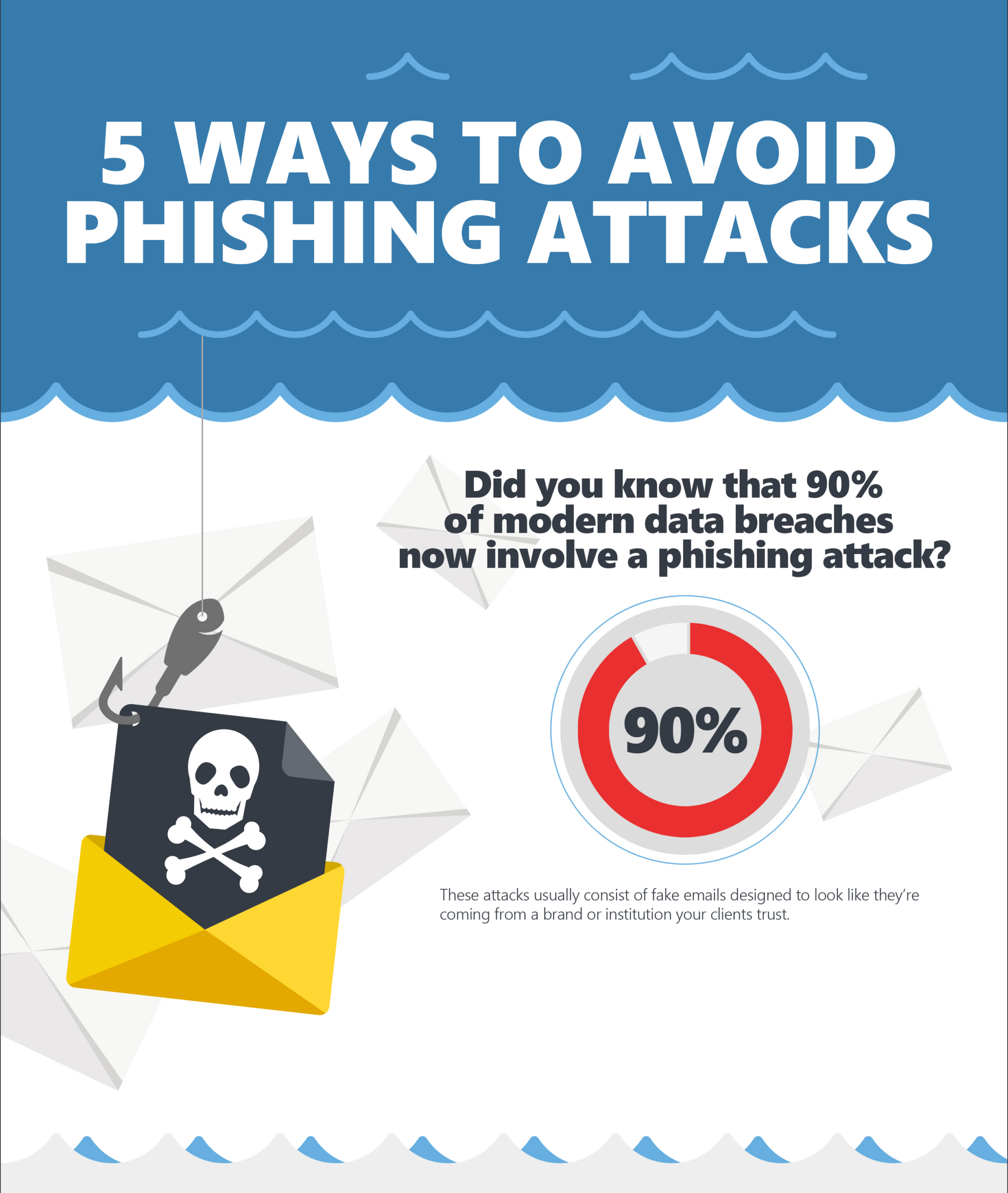
Phishing is a prevalent cybercrime that continues to threaten individuals and organisations worldwide. According to the FBI’s Internet Crime Complaint Center, phishing scams accounted for nearly $1.8 billion in losses in 2020 alone. Understanding what phishing is and how it operates is crucial in today’s digital landscape, where cybercriminals use sophisticated tactics to deceive users.
What is Phishing?
Phishing is a form of cyberattack where attackers impersonate legitimate entities to trick individuals into divulging sensitive information, such as usernames, passwords, credit card details, or other personal information. These attacks can occur through various channels, including email, social media, messaging apps, and even SMS. Phishing techniques have evolved significantly, making it essential for users to remain vigilant.
Types of Phishing Attacks
There are several common types of phishing attacks:
- Email Phishing: The most familiar form, where attackers send emails that appear to come from trusted sources, urging recipients to click on malicious links or attachments.
- SMS Phishing (Smishing): Attackers use text messages to lure victims into clicking links or revealing personal information.
- Voice Phishing (Vishing): Attackers use phone calls to impersonate legitimate organisations, convincing victims to share sensitive information.
- Spear Phishing: A more targeted form of phishing where attackers customise their messages to a specific individual or organisation, increasing the likelihood of success.
Recent Phishing Trends
Phishing has seen a sharp rise in recent years, particularly during the COVID-19 pandemic, when more people relied on digital communication. According to a report by the Anti-Phishing Working Group, phishing attacks reached unprecedented levels in 2021, with an increase of over 220% compared to previous years. Cybercriminals have been capitalising on current events, such as economic uncertainty and health crises, to create convincing scams.
How to Protect Yourself from Phishing
To safeguard against phishing attacks, users can take the following measures:
- Always verify the sender’s email address or phone number before clicking on links or providing personal information.
- Look out for unusual grammatical errors or spelling mistakes in messages.
- Be cautious of emails that create a sense of urgency or fear, prompting immediate action.
- Utilise multi-factor authentication where possible for additional security.
- Educate yourself about common phishing tactics and stay informed about recent scams.
Conclusion
As cybercriminals become more sophisticated, understanding what phishing is and remaining vigilant is crucial. By recognising the signs of phishing and implementing best practices for digital security, individuals can significantly reduce their risk of falling victim to these deceptive attacks. Staying informed and cautious is the best defence against phishing in today’s interconnected world.