Introduction
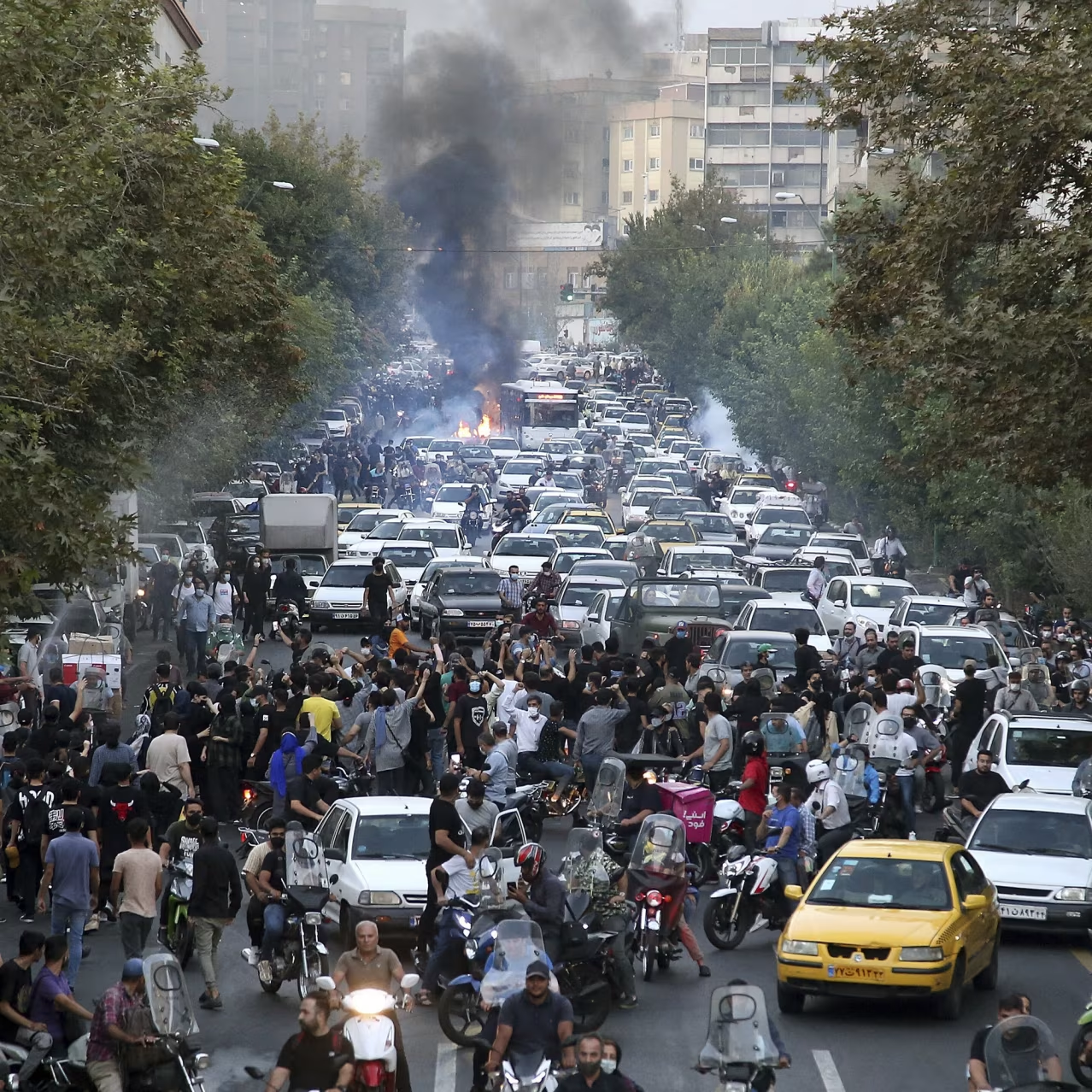
The ongoing protests in Iran have captured global attention, reflecting a deep-seated struggle for freedom and rights amid a backdrop of governmental repression. Triggered by various socio-political issues, including economic hardship and human rights violations, these protests represent the voices of a diverse populace yearning for change. Understanding the factors behind these protests is crucial as it emphasises the resilience of citizens in the face of adversity.
Background of the Protests
The unrest in Iran gained momentum in 2022 following the death of Mahsa Amini, a young woman who died in police custody after being arrested for not wearing her hijab properly. This incident sparked outrage and became a powerful symbol of the broader struggle against the Iranian regime’s restrictive policies, particularly towards women. Protests quickly escalated, spreading from major cities to rural areas, encompassing various spheres of discontent including political repression, economic instability, and censorship.
Recent Developments
As of late 2023, the protests continue to evolve. Reports indicate that while protests may have diminished in size due to heavy-handed crackdowns by security forces, the underlying sentiment for change remains strong. Activists and human rights groups report ongoing demonstrations in response to government policies and the ongoing economic crisis, marked by inflation and unemployment. Social media has played a pivotal role in organising protests and raising awareness globally, allowing Iranians to share their experiences despite government-imposed internet restrictions.
The Government’s Response
The Iranian government has adopted a multifaceted approach to suppress the protests. This includes widespread arrests of demonstrators, internet blackouts, and state-sponsored propaganda to discredit dissenting voices. Reports from human rights organisations indicate that hundreds have been killed, and many more arrested since the protests began, raising concerns about human rights violations and the calculating suppression of dissent. The climate of fear serves as a barrier to widespread mobilization but has not silenced the collective yearning for reform.
Conclusion
The protests in Iran reflect a significant moment in the country’s history, showcasing a society grappling with the desire for freedom against a backdrop of stringent authoritarianism. As the situation unfolds, the global community continues to watch closely, offering support for the Iranian people’s quest for fundamental rights. The resilience displayed by the protesters underscores a powerful narrative of hope and determination, emphasising that the fight for justice and equality is far from over. The future of Iran remains uncertain, but the push for change signifies a critical turning point in the nation’s struggle.