Introduction
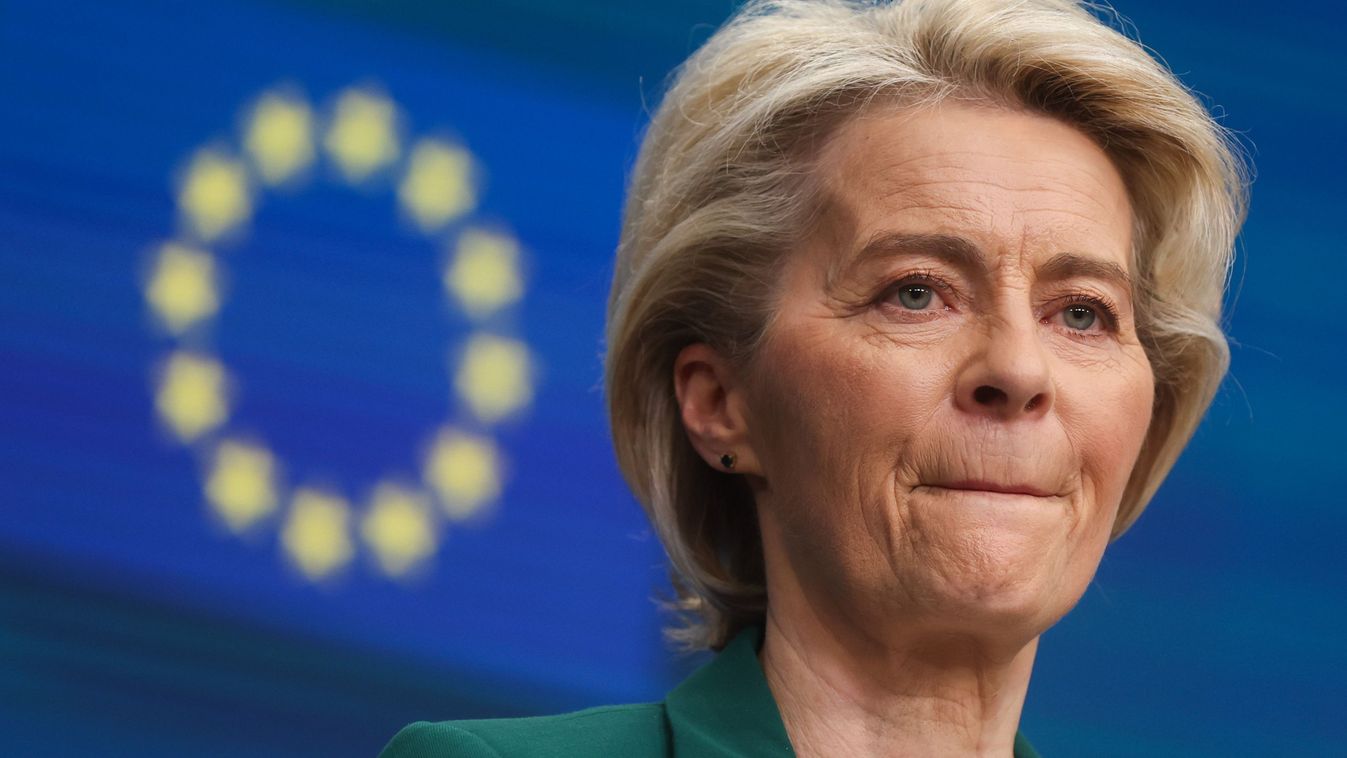
Ursula von der Leyen, the first female President of the European Commission, has become a pivotal figure in shaping EU policies and responses to current global challenges. Her leadership is particularly relevant today as Europe grapples with issues such as climate change, economic recovery from the COVID-19 pandemic, and geopolitical tensions.
Key Initiatives and Policies
Since taking office in December 2019, von der Leyen has spearheaded several significant initiatives that reflect her commitment to a green and digital Europe. One of her most notable policies is the European Green Deal, which aims to make Europe the first climate-neutral continent by 2050. Under her guidance, the EU is investing heavily in renewable energy sources and sustainable practices to combat climate change.
Additionally, von der Leyen has played a crucial role in the EU’s response to the COVID-19 pandemic. She led efforts to secure vaccine supplies for EU member states and initiated the EU Recovery Fund, a historic financial instrument designed to support the economic recovery of member states hit hardest by the pandemic.
Challenges Ahead
Despite these achievements, von der Leyen faces numerous challenges in her tenure. The ongoing war in Ukraine has sparked a humanitarian crisis and elevated energy prices across Europe, complicating recovery efforts. Moreover, internal divisions among member states regarding immigration policies and economic disparities pose significant hurdles for cohesive EU governance.
Conclusion
Ursula von der Leyen’s presidency is a crucial chapter in the European Union’s evolving narrative. As she continues to navigate complex issues both within Europe and globally, her leadership style and decision-making processes will likely shape the future trajectory of the EU. Observers predict that her successes and setbacks will significantly influence public perception of the European Commission and the EU’s ability to respond to contemporary challenges.