The upcoming G7 Foreign Ministers’ Summit raises the question: why was Vaux de Cernay Abbey chosen as the venue for this significant event? The answer lies in the abbey’s historical importance and France’s strategic objectives for the summit.
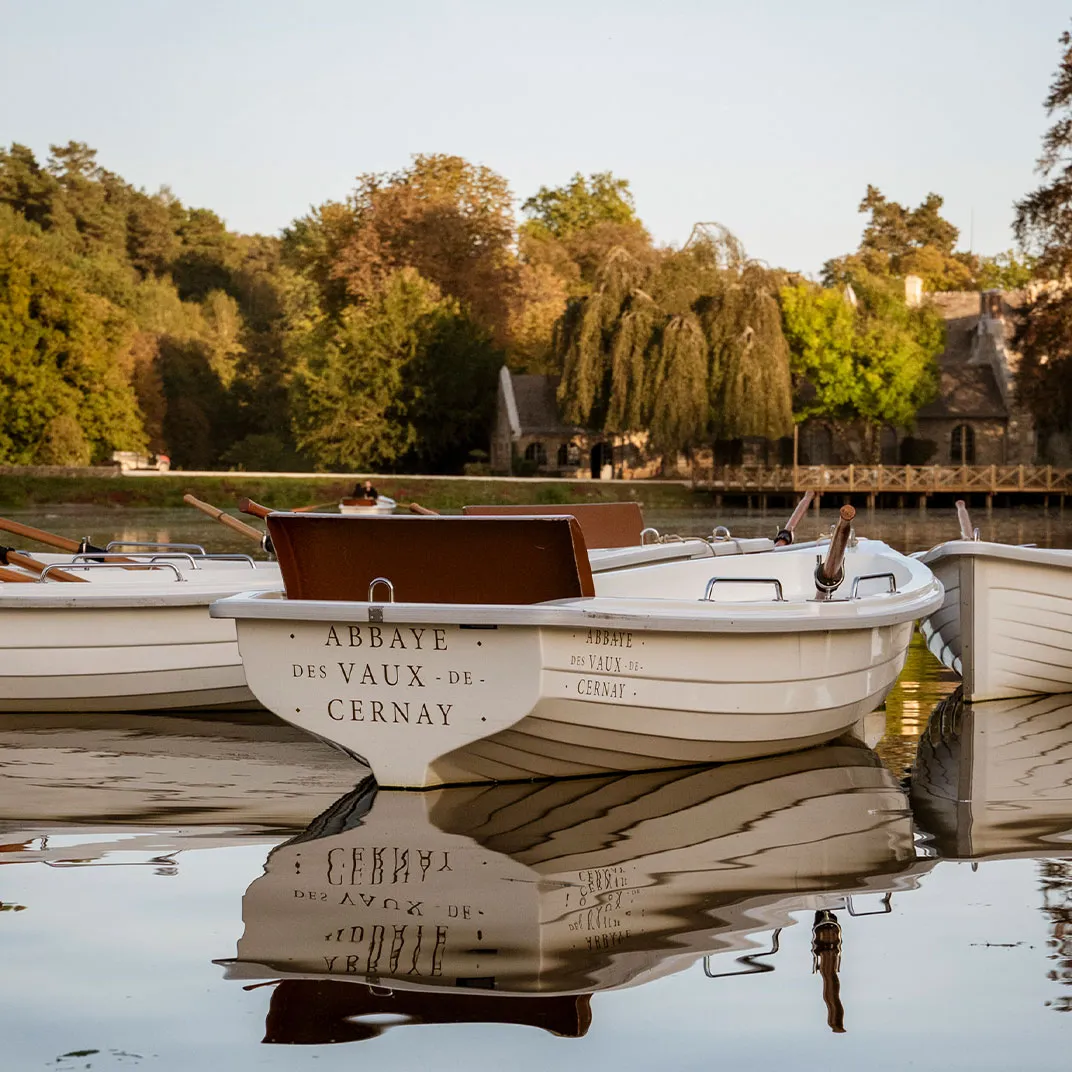
Vaux-de-Cernay Abbey, a 12th-century Cistercian site founded in 1147, has been classified as a historical monument since 1926. After being abandoned following the French Revolution, the abbey underwent a €60 million renovation by the Paris Society in 2019, revitalizing its status as a cultural landmark.
The G7 Foreign Ministers’ Summit will take place from March 25 to 27, 2026, and is expected to address pressing regional and international crises, including those in Iran, Gaza, and Ukraine. The choice of Vaux-de-Cernay Abbey is no coincidence, reflecting France’s desire to combine crisis management with its geoeconomic agenda.
During the summit, traffic disruptions are anticipated in the Chevreuse Valley, with road closures scheduled from March 25 at 3 p.m. to March 27 at 6 p.m. This will likely affect local residents and visitors to the area.
Vaux-de-Cernay Abbey’s revival in the late 19th century by Baroness Charlotte de Rothschild as a summerhouse adds to its rich history, making it a fitting backdrop for discussions among global leaders.
As the summit approaches, details regarding the specific agenda and the outcomes of the discussions remain unconfirmed. However, the event underscores the significance of historical sites in contemporary diplomatic engagements.
With the summit drawing near, the international community is keenly observing how the discussions at Vaux de Cernay Abbey will shape responses to ongoing global challenges.