Conflict Escalates with Deadly Strikes
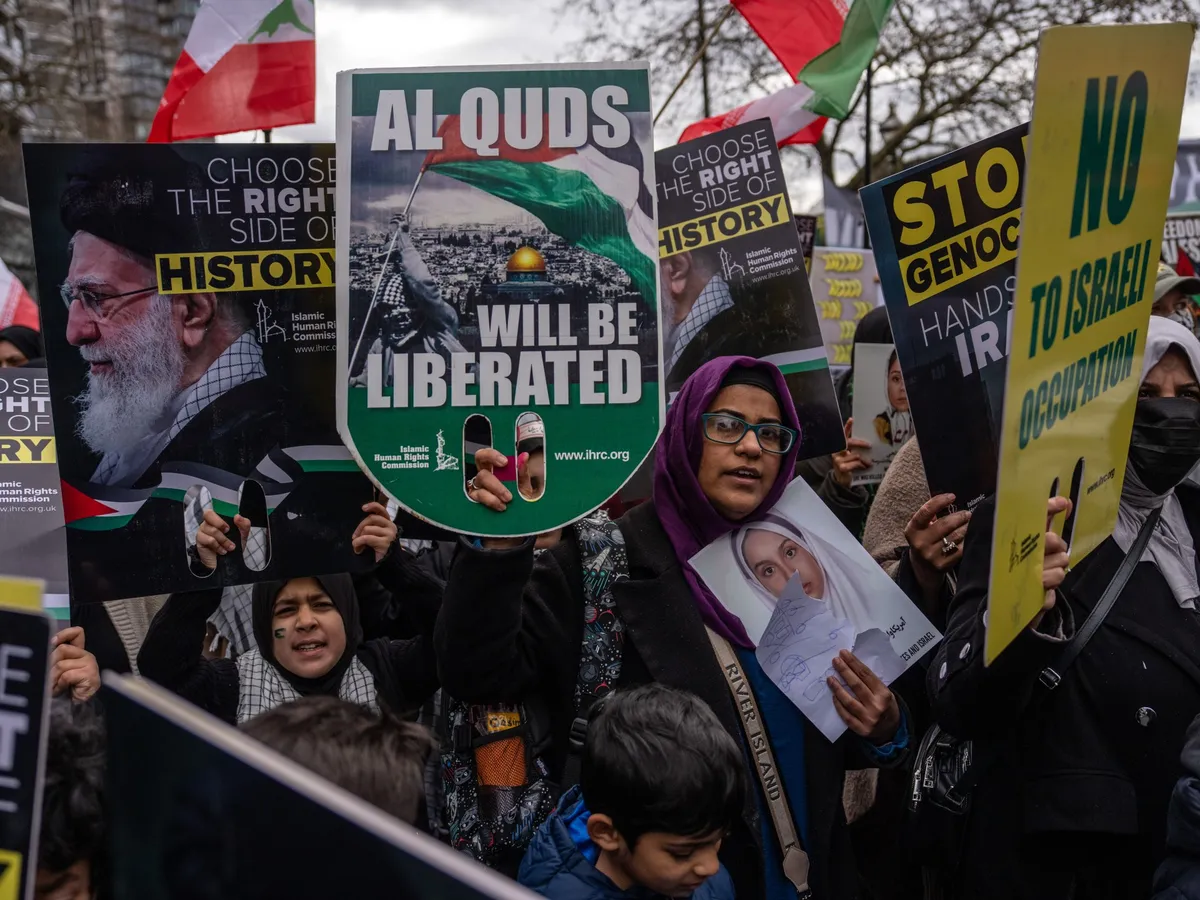
Israeli air strikes have targeted Iran’s oil facilities for the first time since the war began, resulting in at least four fatalities. Joint attacks by Israel and the United States have continued for a ninth consecutive day, claiming over 1,300 lives in Iran and approximately 300 in Lebanon.
The recent strikes focused on four oil storage facilities and an oil production transfer center located in Tehran and Alborz. Iran’s ambassador to the United Nations reported that the U.S.-Israeli military actions have resulted in the deaths of at least 1,332 Iranian civilians.
In Israel, the conflict has also taken a toll, with ten reported deaths, alongside at least six U.S. service members killed during the ongoing hostilities. The situation has prompted a surge in oil prices, reaching multi-year highs as the conflict disrupts shipping routes through the strategically vital Strait of Hormuz.
Former U.S. President Donald Trump commented on the situation, stating, “At some point, I don’t think there will be anybody left maybe to say, ‘We surrender.’” This reflects the escalating nature of the conflict and the dire circumstances faced by those involved.
Iranian President Masoud Pezeshkian has expressed regret to Gulf nations regarding attacks on U.S. facilities within their territories, indicating the broader regional implications of the conflict. He described the demand for the Islamic Republic’s surrender as “a dream” for the Iranian government.
Analysts suggest that the Israeli strikes are aimed at creating a crisis in Iran’s fuel supply, which could be perceived by Iranian officials as an act of aggression and terrorism. Tohid Asadi noted, “This is not the first time. Back in June, during the 12-day war, we saw fuel depots being targeted, but this is unprecedented.”
The ongoing conflict has begun to affect the global economy significantly, pushing energy prices higher and disrupting international trade. In response to the situation, Kuwait Petroleum Corporation has reduced output, following earlier supply cuts in Iraq and Qatar.
As the situation continues to evolve, observers remain concerned about the potential for further escalation and its implications for regional stability and global economic conditions. Details remain unconfirmed.