Wayne Couzens Faces Heightened Fears in Prison
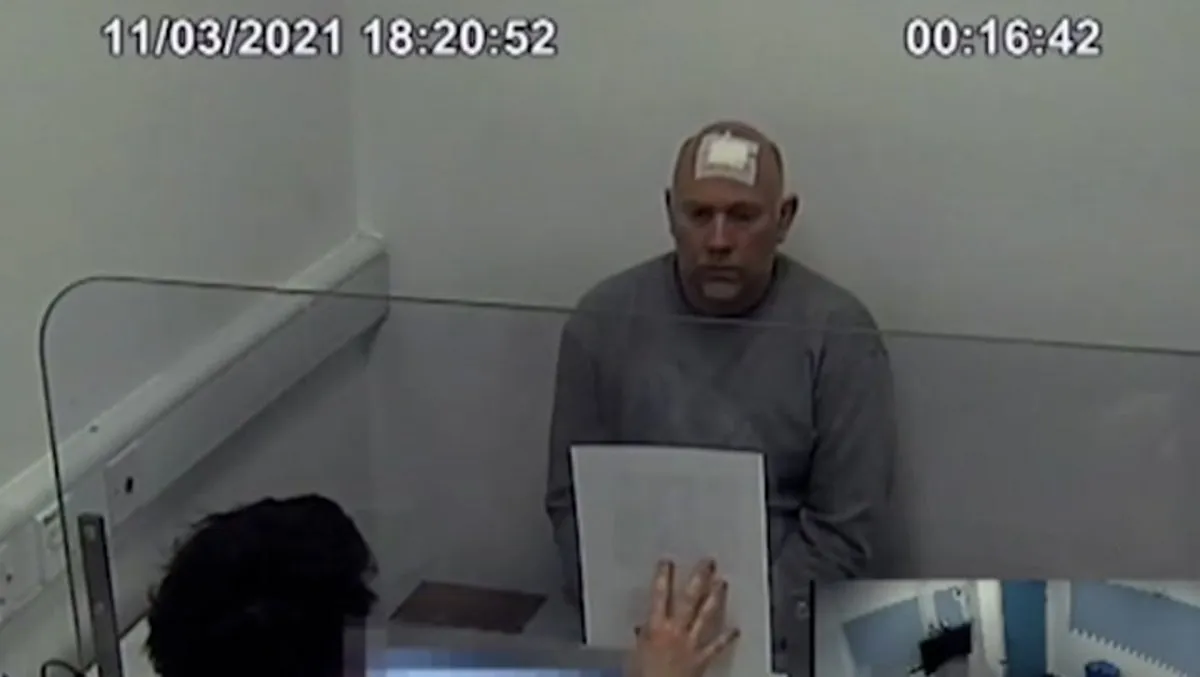
Wayne Couzens, the former Metropolitan Police officer convicted for the kidnap, rape, and murder of Sarah Everard in March 2021, is reportedly terrified for his safety while serving his sentence at HMP Frankland in County Durham. This fear has intensified following a recent attack on another high-profile inmate, Ian Huntley, who is currently fighting for his life after being assaulted in prison.
Couzens, who abducted Everard during a fake arrest, has limited his movement within the prison due to concerns that he may become a target himself. Sources indicate that he is “absolutely petrified” and is barely leaving his cell, fearing he will be the next victim following Huntley’s attack. This situation highlights the precarious environment that high-profile offenders often face while incarcerated.
The media attention surrounding Couzens has surged with the fifth anniversary of Sarah Everard’s murder approaching, prompting discussions about the implications of his actions and the broader issues within the Metropolitan Police. Notably, more than a quarter of Metropolitan Police officers—28%—continued to work unrestricted while under investigation for sexual misconduct between 2021 and 2025. This statistic raises serious concerns about accountability and the integrity of the police force.
In the past five years, six police forces have brought rape charges against officers, and 15 police forces confirmed charges for various sexual offences allegations. The Metropolitan Police has taken action by removing 1,500 officers due to misconduct over the past three years, yet the presence of abusers within the organization remains a significant issue. Helen Millichap, a prominent figure in this discussion, stated, “It’s an incredibly awful truth that we have abusers and perpetrators inside our organisation.”
Couzens’ case is emblematic of the systemic problems that have plagued law enforcement agencies in the UK. Sir Mark Rowley, a senior police official, acknowledged the ongoing challenges, stating, “I think we’ve gotten through a large part of the problem, but I’m not saying we’ve got through all of it. That work continues.” This admission underscores the complexity of addressing misconduct within the police force.
The heightened scrutiny of Couzens and the Metropolitan Police comes at a time when public trust in law enforcement is critically low, particularly regarding issues of sexual misconduct. The fear that Couzens experiences in prison may reflect a broader societal concern about the safety and accountability of those who are sworn to protect the public.
As the situation develops, the implications for Couzens and the Metropolitan Police will likely continue to unfold. Details remain unconfirmed regarding any further actions that may be taken in response to the ongoing scrutiny of police conduct and the safety of high-profile inmates like Couzens.