Understanding Daylight Saving Time
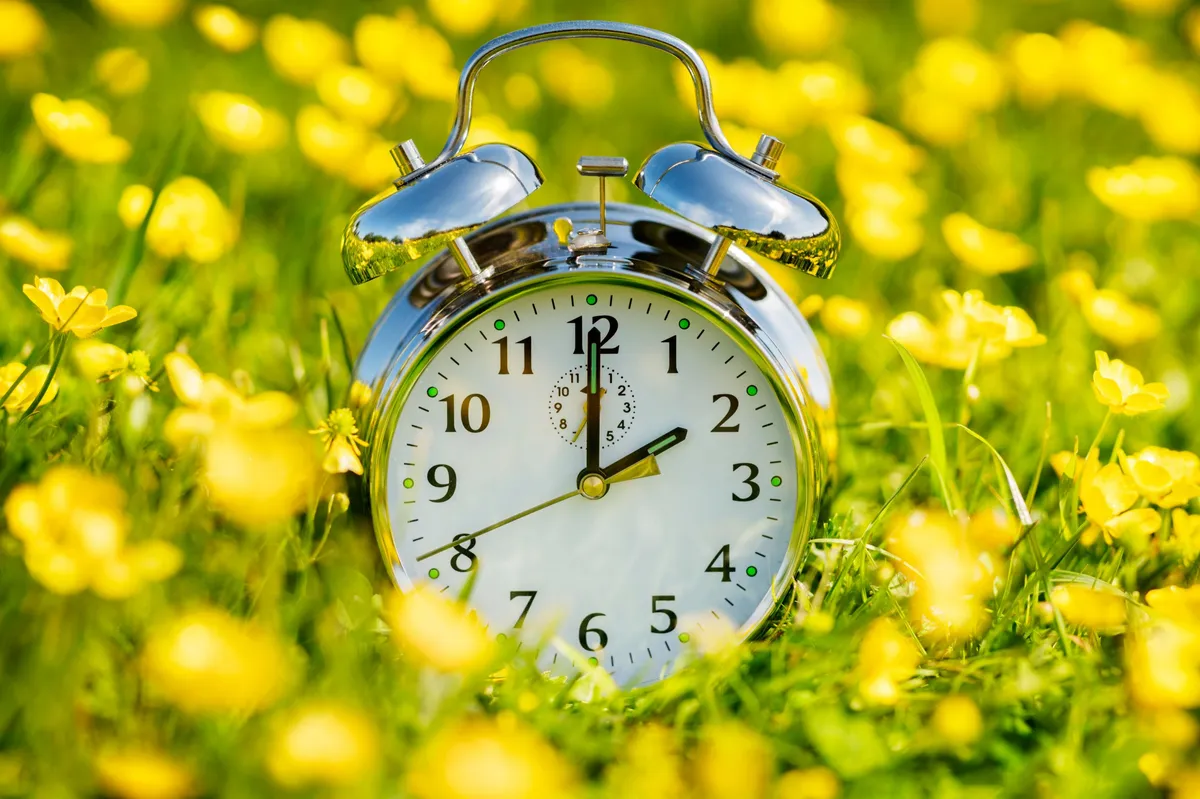
“We ‘spring forward’ ahead of the actual beginning of spring, which comes with the vernal equinox on March 20.” This statement encapsulates the essence of Daylight Saving Time (DST), a practice that affects millions of Americans each year. In 2026, DST will commence on Sunday, March 8, at 2 a.m. local time in most of the United States, marking the time when clocks will move forward by one hour.
Daylight Saving Time has been a fixture in American life since its first adoption during World War I in 1918. The initial intent was to conserve fuel, a necessity during wartime. Since then, the practice has evolved, with the current schedule established in 2007, where the start date is fixed on the second Sunday of March. This means that most Americans will lose an hour of sleep as they adjust their clocks forward.
While the majority of the U.S. observes this time change, two states—Hawaii and Arizona—do not participate in Daylight Saving Time, with the exception of the Navajo Nation, which does observe it. This unique situation raises questions about the effectiveness and necessity of DST, especially as discussions about its impact on health and daily life continue.
Genie Lauren, a time management expert, notes, “The majority of the year we’re in daylight savings time,” emphasizing the significant portion of the year affected by this clock change. The implications of losing an hour of sleep can be profound, particularly in the days following the transition. Many individuals report feeling groggy and disoriented as their bodies adjust to the new schedule.
Experts like Karin Johnson highlight the importance of morning light for regulating our circadian rhythms. “Morning light is what’s really critical for setting our circadian rhythms each day,” she explains. This biological response to light can be disrupted by the abrupt change in time, leading to potential health issues for some individuals.
As the clock springs forward, it is essential to remember that Daylight Saving Time will end later in the year, on the first Sunday of November, which falls on November 1, 2026. During this period, daylight saving time will be in effect for a total of 238 days, allowing for longer evenings filled with natural light.
In contrast, the United Kingdom observes a different schedule for Daylight Saving Time, starting on the last Sunday in March. This discrepancy highlights the variations in how different regions manage time changes, which can lead to confusion, especially for travelers and businesses operating across time zones.
As the date approaches, discussions about the relevance and effectiveness of Daylight Saving Time continue. Jay Pea, a time policy advocate, remarks, “There’s no law we can pass to move the sun to our will,” reflecting the ongoing debate about whether the practice should be maintained or abolished altogether. Details remain unconfirmed as policymakers consider the future of this long-standing tradition.